Urea Fertilizer: A Detailed Guide to Its Uses, Benefits, and Precautions for Farmers
20 September 2026
Urea Fertilizer: A Detailed Guide to Its Uses, Benefits, and Precautions for Farmers
Urea fertilizer is one of the most widely used nitrogen fertilizers in agriculture. It contains a high concentration of nitrogen, approximately 46% N, making it an important source of nitrogen for a wide range of crops.
Nitrogen is an essential nutrient for plant growth because it is involved in the production of proteins, chlorophyll, and other important plant components. However, urea must be applied carefully because excessive or improper use can lead to nitrogen losses and increase production costs.
What Is Urea Fertilizer?
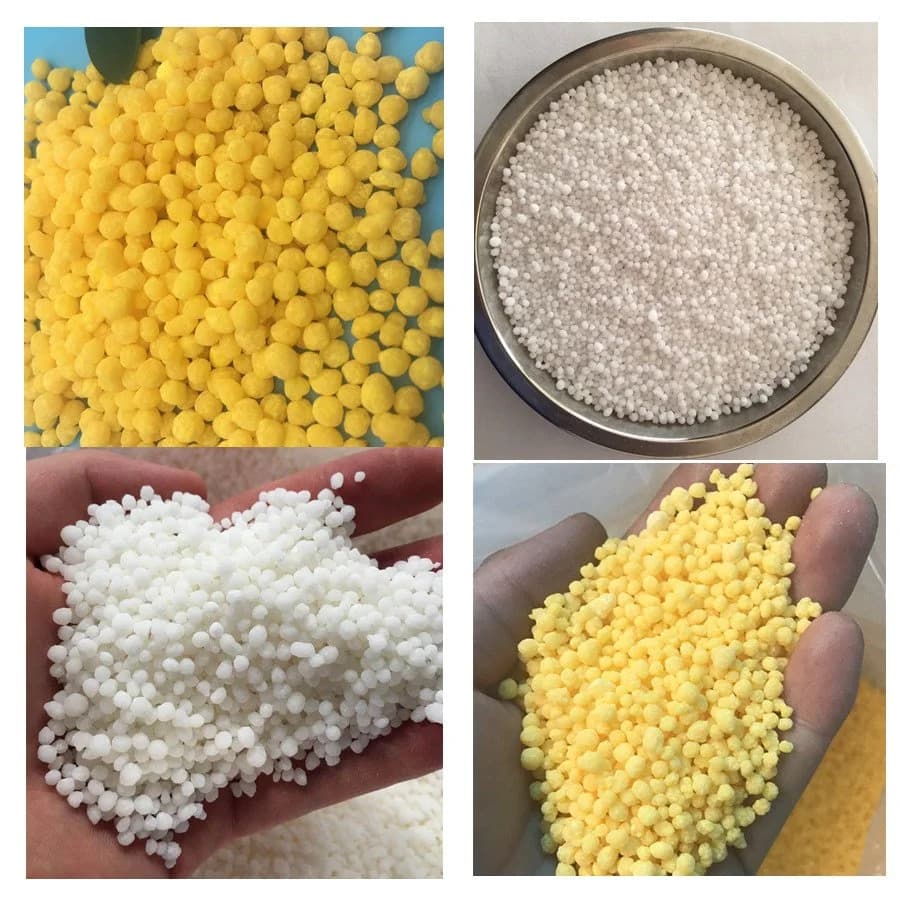
Urea is a high-nitrogen fertilizer. It is commonly recognized by its small white granules and is used on a wide range of crops, including maize, wheat, rice, vegetables, and other crops that require nitrogen.
After urea is applied to the soil, it undergoes chemical and biological processes that eventually make its nitrogen available to plants in forms that can be absorbed by the roots.
Because urea contains a high percentage of nitrogen, relatively small quantities can supply significant amounts of nitrogen compared with some other fertilizers.
Why Is Nitrogen Important for Plants?
Nitrogen is one of the essential nutrients required by plants in relatively large amounts. It helps with:
- Leaf and stem growth.
- Chlorophyll production, which is essential for photosynthesis.
- Protein and enzyme production.
- Overall plant development.
- Biomass production and, when applied at the appropriate rate, improved crop productivity.
When plants are deficient in nitrogen, symptoms may include poor growth and pale green or yellowish leaves, particularly in older leaves.
When Should Urea Be Applied?
Urea can be applied at different stages depending on the crop and nutrient management plan. For many crops, it is commonly used as a top-dressing fertilizer after the plants have emerged.
For example, maize may require significant amounts of nitrogen during periods of rapid growth. Splitting nitrogen applications into appropriate periods can, under certain conditions, improve nutrient-use efficiency compared with applying the entire amount at once.
However, the appropriate application schedule should take into account the crop type, soil characteristics, rainfall or irrigation, and the crop's nitrogen requirements.
Steps for Proper Urea Application
1. Conduct a Soil Test
Before deciding how much urea to apply, it is advisable to conduct a soil test where possible. Soil testing helps determine the nutrient status of the field and supports the development of an appropriate fertilizer program.
2. Determine the Crop's Nutrient Requirements
Different crops do not require the same amount of nitrogen. The nitrogen requirements of maize may differ from those of onions, tomatoes, carrots, rice, or wheat.
Therefore, the same urea application rate should not be used for every crop.
3. Apply at the Right Time
Urea should be applied when the crop can effectively benefit from nitrogen. For many crops, this is during growth stages when nitrogen demand increases.
4. Apply Urea to the Soil
Avoid placing large amounts of urea directly on seeds or in direct contact with the plant stem. Applying it appropriately to the soil helps the crop access the nutrient while reducing the risk of damage to young plants.
5. Incorporate or Cover It with Soil
When urea is applied to the soil surface and left exposed, some nitrogen can be lost to the atmosphere as ammonia, particularly under warm conditions and on soils with higher pH.
Where practical, incorporating urea into the soil or ensuring that it receives moisture at an appropriate time can help reduce these losses.
6. Consider Soil Moisture and Rainfall
Application timing is important. Urea requires moisture to begin transforming in the soil. However, applying it immediately before heavy rainfall may increase the risk of nitrogen losses through runoff or movement below the root zone, depending on soil conditions.
Benefits of Urea Fertilizer
Urea has several benefits in crop production.
First, it contains a high concentration of nitrogen. With approximately 46% nitrogen, urea is a concentrated source of this essential nutrient.
Second, it is relatively easy to transport and store when kept in dry conditions and protected from moisture.
Third, it can be used on a wide range of crops, although the appropriate rate and timing vary according to the crop.
Fourth, it can help correct nitrogen deficiency when the soil does not contain enough nitrogen to meet the crop's requirements.
Problems Associated with Improper Use
Despite its benefits, urea can cause problems if it is applied without considering crop requirements and soil conditions.
Excessive Leaf Growth
Excessive nitrogen can encourage excessive leaf and stem growth. In some crops, this may result in an imbalance between vegetative growth and the production of the harvested part of the crop.
Plant Injury
Applying large amounts of urea too close to seeds or young roots can create high concentrations of salts and ammonia around the plant, potentially causing injury.
Nitrogen Losses
Urea applied on the soil surface can lose nitrogen to the atmosphere, particularly when it does not receive sufficient moisture or is not incorporated into the soil at an appropriate time.
Unnecessary Costs
Applying more urea than the crop requires increases production costs without necessarily providing a proportional increase in yield.
Urea and Other Fertilizers
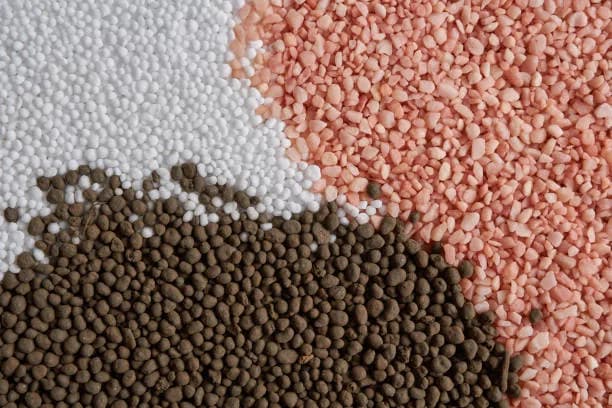
Urea is primarily a source of nitrogen, but it is not a complete fertilizer containing all nutrients. Plants also require nutrients such as phosphorus, potassium, sulfur, and micronutrients, depending on the crop and soil conditions.
Therefore, a good crop nutrition program should not rely on urea alone. Farmers should consider the complete nutrient requirements of the crop and the results of soil testing.
Urea in Maize Production
Maize is a crop that can have relatively high nitrogen requirements. Urea can be used as part of a nitrogen management program to support crop growth.
Farmers should consider the timing of fertilizer application, soil moisture, and the growth stage of the maize crop. Rather than applying all nitrogen at once, splitting applications may be beneficial under some conditions because it reduces the amount of time nitrogen remains in the soil without being taken up by the crop.
The exact amount of urea required per acre or hectare should be determined according to the crop's nitrogen requirements and field conditions rather than applying a general rate to every farm.
How to Store Urea Fertilizer
Urea should be stored:
- In a dry place.
- Away from rain and moisture.
- In properly sealed bags.
- On a dry surface rather than directly on a damp floor.
- Away from children and animals.
Proper storage helps prevent the fertilizer from absorbing moisture, becoming lumpy, or losing its physical quality.
Important Advice for Farmers
Farmers planning to use urea should follow the principles of the right source, right rate, right time, and right place. There is no single urea application rate that is suitable for every field.
Before applying fertilizer, farmers should consider:
- The type of crop.
- The crop's growth stage.
- Soil type and condition.
- The amount of nitrogen required.
- Rainfall or irrigation conditions.
- Soil test results.
- Advice from an agricultural professional.
Conclusion
Urea is an important and highly concentrated source of nitrogen that can help improve crop growth and productivity when used correctly. However, excessive or poorly planned application can result in nitrogen losses, higher production costs, and problems with plant growth.
Therefore, proper urea application should take into account the crop, soil, timing, and actual nitrogen requirements. Soil testing and advice from agricultural professionals provide a strong foundation for developing an effective fertilizer management program.
For more enquiries about it please contact our experts at CHETU AGROSOLUTION