POTASSIUM IN THE FARM: IMPORTANCE, BENEFITS AND HOW TO USE IT CORRECTLY
By CHETU AGROSOLUTION · 25 September 2026
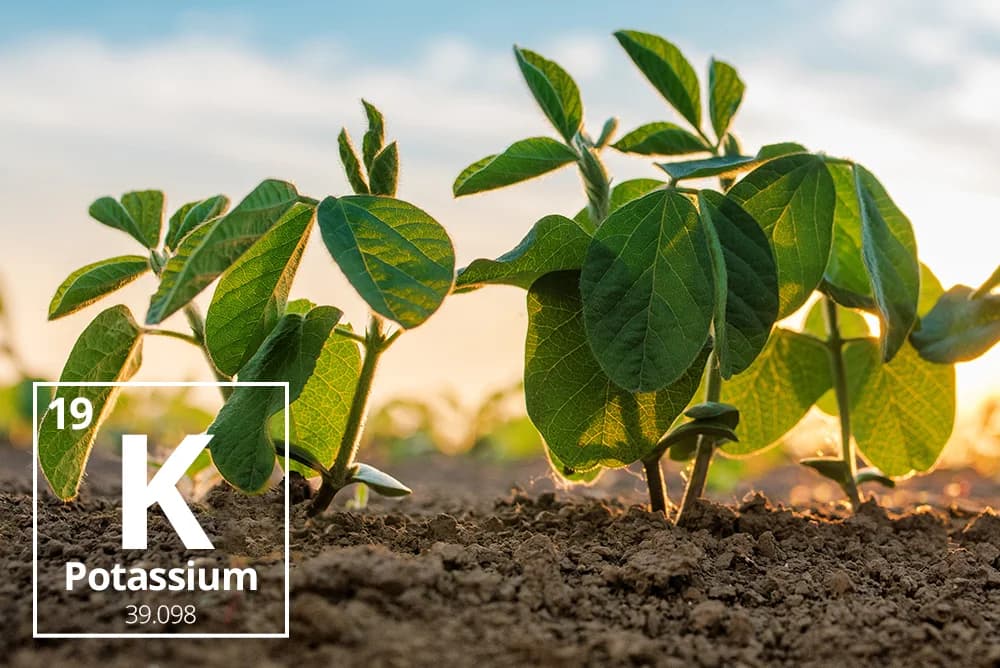
Farmer, we want to explain something important about your farming: achieving good yields does not depend on nitrogen alone, or phosphorus alone. Crops require balanced nutrition, and one of the important nutrients in that system is potassium.
Potassium is represented by the symbol K and is one of the major nutrients required by plants in relatively large amounts.
In plants, potassium is involved in water regulation, movement of nutrients and carbohydrates, activation of various enzymes, photosynthesis, and other important growth processes. Potassium deficiency can weaken plant growth and reduce crop production.
However, Farmer, we want you to understand one important thing: potassium should not be applied simply as a routine practice.
We want you to use it with a plan, at the right time, and according to the actual needs of your farm.
FARMER, DO NOT FARM BY GUESSWORK — UNDERSTAND YOUR CROP'S NEEDS, KNOW THE CONDITION OF YOUR SOIL, AND THEN USE AGRICULTURAL INPUTS WITH A PLAN.
1. WHAT IS POTASSIUM?
Potassium is an essential plant nutrient represented by the symbol K.
It is one of the three major nutrients:
Nitrogen (N)
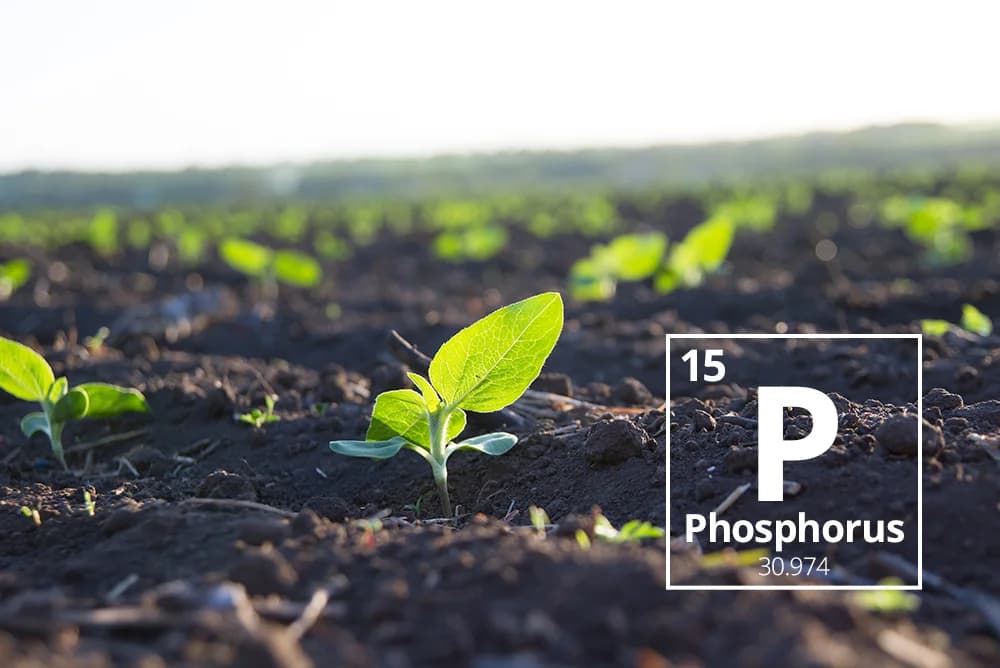
Phosphorus (P)
Potassium (K)
That is why we often hear about NPK fertilizers.
But Farmer, do not assume that every NPK fertilizer is suitable for every farm.
Fertilizers can contain different proportions of N, P and K, and the needs of your crop may be different from those of another farm.
Therefore, we advise you:
Do not choose fertilizer based on its name alone. Look at the nutrients it contains and the actual needs of your crop.
2. WHY IS POTASSIUM IMPORTANT IN THE FARM?
Potassium has many functions within the plant.
It is involved in:
Water regulation within the plant
Movement of nutrients
Movement of sugars and carbohydrates
Photosynthesis
Activation of enzymes
Root development
Plant strength
Plant response to some environmental stresses
Crop production and quality
Therefore, we want you to view potassium as part of the whole crop-production system, rather than simply a fertilizer to apply when the crop develops a problem.
3. POTASSIUM AND WATER MANAGEMENT IN THE PLANT
Farmer, water is extremely important in farming.
But it is not only the amount of water you apply that matters.
The plant also needs the ability to regulate water within its tissues.
Potassium plays a role in regulating stomata, which help control the exchange of water vapor, carbon dioxide and oxygen.
Therefore, potassium has an important role in water regulation and plant water-use processes.
This is why we want farmers to manage these factors together:
Potassium + water + healthy roots + suitable soil conditions.
4. POTASSIUM AND PHOTOSYNTHESIS
Farmer, plants need to produce their own food.
Photosynthesis is the important process through which plants use light, water and carbon dioxide to produce food.
Potassium is involved in enzyme activation and energy-related processes associated with photosynthesis.
Therefore, when we develop a plant nutrition program, we do not want you to focus only on leaf size.
We want you to create good conditions for:
🌱 Healthy roots
💧 Proper water management
☀️ Photosynthesis
🌿 Balanced nutrition
🌾 Good production
5. POTASSIUM AND THE MOVEMENT OF SUGARS AND CARBOHYDRATES
Farmer, when a plant produces food, that food needs to be transported to different parts of the plant.
Potassium is involved in the movement of sugars and carbohydrates within the plant.
This is important because the plant needs to distribute the products of photosynthesis to different areas where they are needed.
That is why we want farmers to understand that potassium is not simply a “leaf nutrient.”
It is part of a much broader plant-production system.
6. POTASSIUM AND ROOT DEVELOPMENT
Farmer, we always emphasize:
A HEALTHY CROP STARTS WITH A HEALTHY ROOT ENVIRONMENT.
Potassium is also associated with root development and the plant's ability to cope with certain drought-related stresses.
However, do not treat potassium as a solution to every root problem.
If your roots are:
Rotting
Damaged by pests
Restricted by compacted soil
Affected by excessive water
Affected by disease
applying potassium alone will not solve the underlying problem.
We want you to identify the root problem first, and then choose the appropriate action.
7. POTASSIUM AND PLANT TOLERANCE DURING DROUGHT
Farmer, drought is one of the challenges that can affect crop production.
Potassium plays a role in water regulation and cell turgor and can contribute to efficient water use under suitable conditions.
However, we want to make one thing clear:
Potassium is not a replacement for irrigation.
If your crop needs water and there is not enough water available, applying potassium alone will not solve the drought problem.
Therefore:
Proper water management + healthy roots + proper nutrition = better crop management.
8. POTASSIUM AND CROP QUALITY
For many crops, potassium is an important part of a crop nutrition program.
A commercial farmer should not only ask:
“How much will I harvest?”
but also:
“What quality will my harvest have?”
Therefore, we advise you to consider potassium together with other nutrients according to the specific crop.
Especially in fruit and vegetable production, nutrient management should be considered according to the crop's growth stage and nutritional requirements.
9. POTASSIUM DURING FLOWERING AND FRUIT DEVELOPMENT
Farmer, flowering and fruit development are very important stages.
At this time, we want the plant to have:
Healthy roots
Adequate water
Balanced nutrition
Protection from pests
Protection from diseases
Suitable growing conditions
Potassium can be an important part of the crop nutrition program during production.
But do not make the mistake of thinking:
“The crop has started flowering, so now I should apply a lot of potassium.”
No.
First, understand the needs of the crop and the condition of the soil.
10. SYMPTOMS OF POTASSIUM DEFICIENCY
Farmer, we want you to be observant when scouting your field.
In some crops, potassium deficiency symptoms first appear on older leaves because potassium can be redistributed within the plant.
Symptoms may include:
Yellowing of lower leaves
Discoloration along leaf margins
Browning of leaf edges
Death of portions of the leaves
Stunted growth
For example, in maize, potassium deficiency can appear as yellowing or drying that starts along the edges of older lower leaves.
However, we advise you not to diagnose the problem based on one symptom alone.
Nutrient deficiency symptoms can resemble problems caused by:
Drought
Diseases
Insect pests
Poor root function
Deficiency of other nutrients
Soil-related problems
That is why we emphasize proper diagnosis before selecting agricultural inputs.
11. FARMER, DO NOT WAIT UNTIL THE SYMPTOMS BECOME SEVERE
This is very important.
Do not wait until the entire field has severely damaged or dried leaves before looking for a solution.
We advise you to:
SCOUT YOUR FIELD REGULARLY.
Check:
Leaf color
Plant growth
Roots
Soil moisture
Insect pests
Diseases
Flowers
Fruits
Overall crop condition
When a problem is identified early, you have a better opportunity to investigate the cause and take appropriate action on time.
In some situations, by the time severe symptoms appear, the crop may already have lost part of its production potential. This is why early soil testing and nutrient planning are important.
12. POTASSIUM AND SOIL MOISTURE
Farmer, potassium may be present in the soil, but its availability to plants can be affected by soil moisture conditions.
Soil water helps potassium move toward plant roots, while prolonged waterlogging can reduce the oxygen available to roots and interfere with their proper function.
Therefore, we want you to manage:
💧 IRRIGATION
Do not over-irrigate without a reason.
🌧️ DRAINAGE
Ensure that the field has appropriate drainage where necessary.
🌱 ROOTS
Maintain conditions that support healthy root development.
Farmer, do not blame the fertilizer before checking water and root conditions.
13. POTASSIUM AND DRY SOIL
When soil becomes very dry, the movement of nutrients toward the roots can decrease.
This can affect potassium availability to the plant.
Therefore, during drought, plants may show symptoms that resemble nutrient deficiency even when the main problem is water stress.
This is why, when symptoms appear, we advise you to distinguish between a true nutrient deficiency and poor nutrient availability caused by insufficient soil moisture.
So:
FARMER, WHEN YOU SEE DEFICIENCY SYMPTOMS, DO NOT RUSH TO APPLY FERTILIZER — CHECK WATER, ROOTS AND SOIL FIRST.
14. POTASSIUM AND SOIL pH
When we talk about plant nutrients, we cannot ignore soil pH.
Soil pH affects the soil environment and the availability of various nutrients.
That is why soil testing can help you understand:
pH
Available potassium
Phosphorus
Magnesium
Calcium
Other soil fertility indicators depending on the type of test
Farmer, do not buy fertilizer first and only then start looking for the problem.
Start with information about your farm.
15. POTASSIUM AND SOIL TESTING
We at CHETU AGROSOLUTION advise you:
TEST YOUR SOIL BEFORE MAKING MAJOR FERTILIZER DECISIONS.
Soil testing can help determine whether potassium is required and how much may be appropriate based on the crop and soil conditions.
In general, soil testing is an important tool for planning soil fertility and fertilizer requirements.
This means that we do not want to tell you:
“Every farmer should apply a certain amount of potassium.”
Because your farm may be different from another farmer's farm.
16. WHERE IS POTASSIUM FOUND IN FERTILIZERS?
Potassium is available in different types of fertilizers.
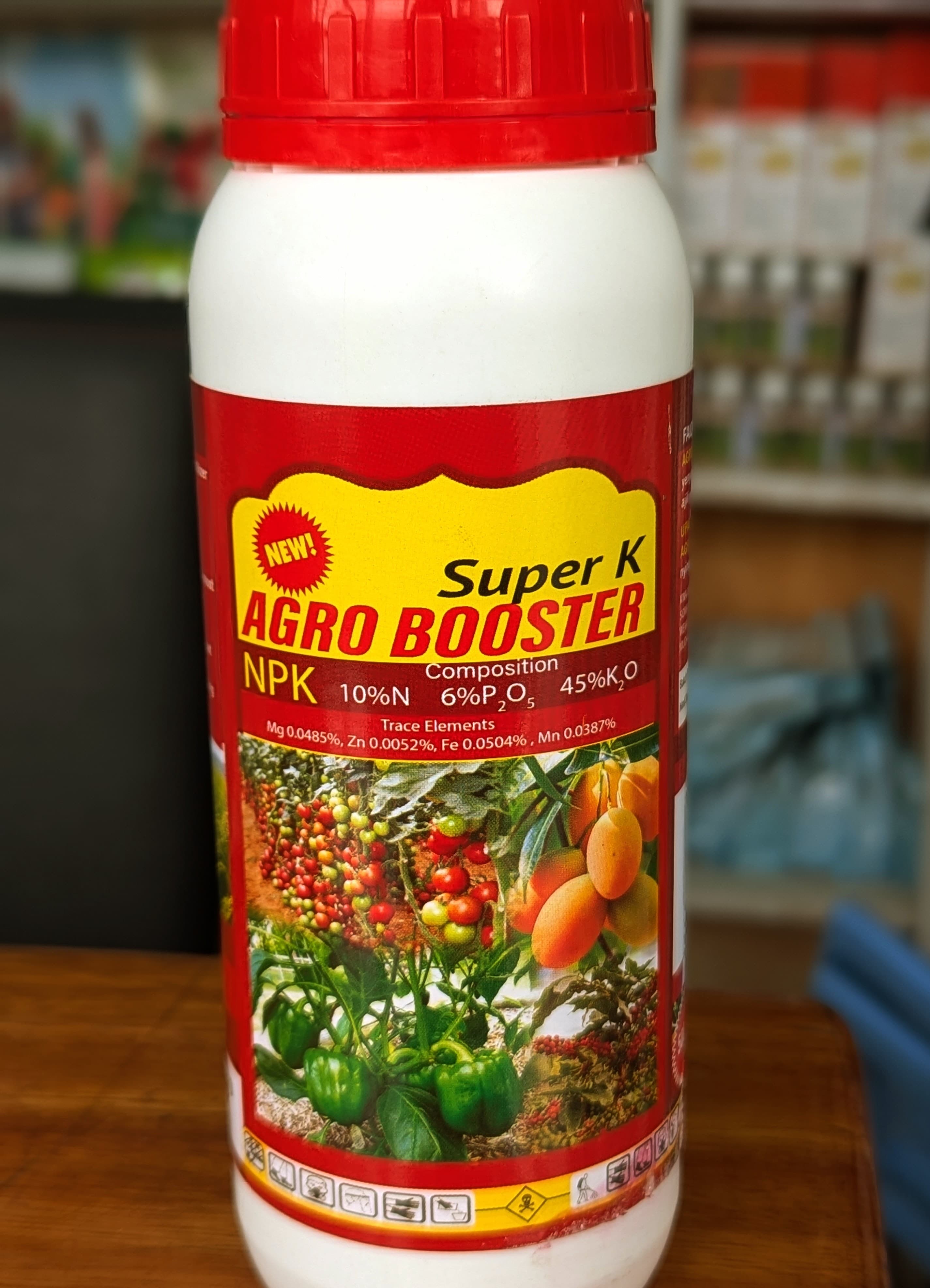
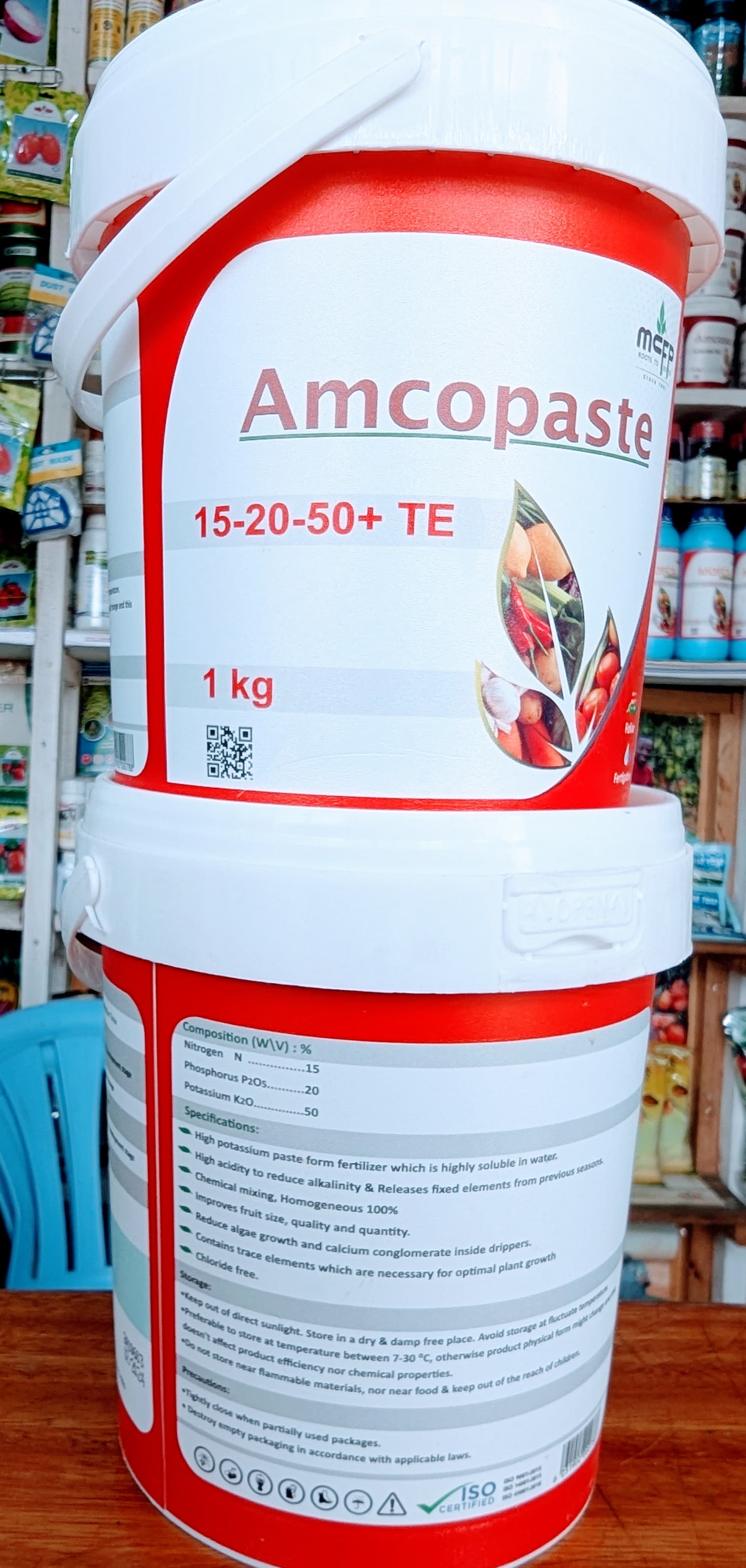
Some fertilizers contain potassium as part of NPK formulations, while others are specifically formulated to supply potassium.
One well-known source is potassium chloride (KCl), commonly known as muriate of potash, but the choice of potassium source should consider the crop, soil, production system and professional advice.
Farmer, do not choose a potassium source based on its name alone.
Consider:
Crop requirements
Soil-test results
Soil type
Growth stage
Irrigation system
Fertilizer type
The overall nutrition program
17. DO NOT APPLY TOO MUCH POTASSIUM AS A ROUTINE PRACTICE
Farmer, there is a common belief:
“If fertilizer is good, more fertilizer is better.”
This is not correct.
Applying more potassium than the crop requires can increase costs without providing the expected benefit.
High levels of some nutrients can also affect the availability or uptake of other nutrients. Therefore, we emphasize balanced nutrition rather than increasing one nutrient without a plan.
Therefore:
Do not use potassium as an “insurance policy” without knowing whether your farm actually needs it.
18. POTASSIUM AND MAGNESIUM — DO NOT IGNORE BALANCE
Farmer, plant nutrition is a system.
We should not focus on only one nutrient.
For example, high potassium levels can interfere with magnesium uptake under some soil and crop conditions.
This is why we advise:
Do not increase potassium routinely.
First:
TEST → ANALYZE → PLAN → APPLY.
19. POTASSIUM IS NOT A MEDICINE
Farmer, we want to remind you of this:
POTASSIUM IS A NUTRIENT, NOT A CURE FOR DISEASES.
If your crop has:
Bacterial diseases
Fungal diseases
Viral diseases
Insect pests
Root diseases
applying potassium alone will not cure the disease.
Likewise, if the problem is caused by:
Drought
Excess water
Compacted soil
Unsuitable pH
Damaged roots
you cannot solve everything by adding potassium.
Identify the problem first.
20. POTASSIUM AND NITROGEN
Nitrogen and potassium have different roles, but both operate within the same plant nutrition system.
Therefore, do not think:
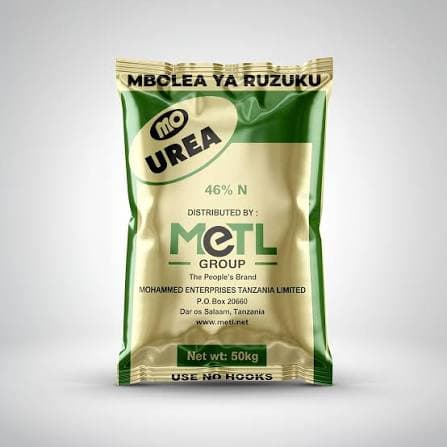
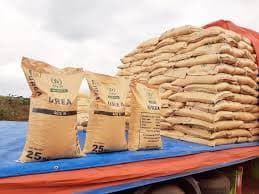
“My plant has few leaves, so I should apply UREA.”
Or:
“The leaf margins are drying, so I should apply potassium.”
First, we need to know:
What is the actual problem?
What growth stage is the crop in?
What nutrients are available in the soil?
What is the water situation?
What condition are the roots in?
Are there pests or diseases?
Only then can we develop a meaningful nutrient-management plan.
21. POTASSIUM AND PHOSPHORUS
Phosphorus and potassium have different roles.
Phosphorus is involved in important processes such as root development and energy transfer.
Potassium is involved in water regulation, movement of sugars and carbohydrates, enzyme activation and other plant processes.
Therefore:
P + K is not the same as N alone.
We want farmers to understand the role of each nutrient and develop a nutrition program based on the actual needs of the crop.
22. POTASSIUM AND PRODUCTION QUALITY
A commercial farmer should consider two things:
1. Quantity of yield
2. Quality of yield
Potassium is part of plant nutrition that supports processes related to photosynthesis, movement of sugars and carbohydrates, and water regulation.
Therefore, we advise you not to plan fertilizer use simply with the goal:
“I want the plant to become bigger.”
Plan with the goal:
“I want the plant to be healthy, productive and use inputs efficiently.”
23. COMMON FARMER MISTAKES REGARDING POTASSIUM
❌ MISTAKE 1: APPLYING POTASSIUM WITHOUT A SOIL TEST
You may spend money without knowing whether the field actually needs it.
❌ MISTAKE 2: ASSUMING LEAF DISCOLORATION IS ALWAYS CAUSED BY POTASSIUM DEFICIENCY
Symptoms can have other causes.
❌ MISTAKE 3: APPLYING TOO MUCH POTASSIUM
More is not necessarily better.
❌ MISTAKE 4: FORGETTING WATER MANAGEMENT
Water plays an important role in nutrient movement and uptake.
❌ MISTAKE 5: FORGETTING THE ROOTS
When roots are under stress, the plant may not use nutrients effectively.
❌ MISTAKE 6: BUYING FERTILIZER BECAUSE ANOTHER FARMER USED IT
Your farm may have different conditions.
❌ MISTAKE 7: WAITING UNTIL SYMPTOMS BECOME SEVERE
Severe symptoms may indicate that the problem has been developing for some time.
24. FARMER, THIS IS HOW WE ADVISE YOU TO START
We want you to follow this approach:
STEP 1: KNOW YOUR CROP
Identify the crop, variety and growth stage.
STEP 2: KNOW YOUR SOIL
Understand the soil type and field history.
STEP 3: TEST THE SOIL
Check pH and available potassium together with other important nutrients.
STEP 4: CHECK WATER
Does the crop have enough moisture?
Is water accumulating?
Is there a drainage problem?
STEP 5: CHECK THE ROOTS
Do not only look at the leaves.
STEP 6: CHECK FOR PESTS AND DISEASES
Do not confuse disease or pest damage with nutrient deficiency.
STEP 7: DEVELOP A FERTILIZER PLAN
Choose the appropriate fertilizer source and rate based on actual needs.
STEP 8: MONITOR THE FIELD
Do not apply fertilizer and then leave the field without monitoring.
25. POTASSIUM AND COMMERCIAL FARMING
Farmer, we want you to start looking at potassium as part of the economics of your farm.
Every bag of fertilizer has a cost.
Therefore, fertilizer use should have a clear purpose.
Ask yourself:
Does my soil have enough potassium?
How much does my crop require?
At what growth stage should I apply potassium?
Are other nutrients also required?
What are my input costs?
What benefit do I expect from the application?
This is the mindset we want to see in the modern farmer:
DO NOT BUY FERTILIZER JUST BECAUSE IT IS FERTILIZER — BUY AGRICULTURAL INPUTS BECAUSE YOU HAVE A PLAN FOR USING THEM.
26. HOW DOES CHETU AGROSOLUTION HELP YOU?
Farmer, do not face farm challenges alone.
We at CHETU AGROSOLUTION stand with you throughout your farming journey.
We support you with:
🌱 SEEDS
We advise you on seed selection based on:
Crop
Location
Season
Growing conditions
Production objectives
Market requirements
🧪 FERTILIZERS
We help you understand the nutritional requirements of your crop and select suitable agricultural inputs according to your farming plan.
If you have questions about:
Potassium
Nitrogen
Phosphorus
NPK
Plant nutrition
Fertilizer schedules
Contact us.
Do not guess.
27. WE HELP YOU SOLVE FARM CHALLENGES
Farmer, if you notice:
❌ Slow plant growth
❌ Changes in leaf color
❌ Drying leaf margins
❌ Poor root development
❌ Flower drop
❌ Poor fruit development
❌ Stunted crops
❌ Insect pests
❌ Signs of disease
Do not rush to buy pesticides or fertilizer without knowing the problem.
Contact us.
We will advise you on the appropriate steps based on information about your farm.
28. GIVE US THIS INFORMATION SO WE CAN ADVISE YOU PROPERLY
Farmer, when contacting us about a farm problem, we advise you to provide:
What crop are you growing?
How old is the crop?
Where is the farm located?
Which fertilizers have you applied?
Which pesticides have you used?
What symptoms have you observed?
When did the problem start?
Are you irrigating or relying on rainfall?
What is the condition of the soil?
Is the problem affecting the entire field or only part of it?
This information helps us understand the problem more accurately.
29. ADVICE FROM CHETU AGROSOLUTION TO FARMERS
Farmer, we want you to change your approach:
Do not wait until the crop becomes unhealthy before thinking about nutrition.
Start early.
Before planting:
Plan the crop, seed, soil and nutrition.
During planting:
Use agricultural inputs according to a proper plan.
During crop growth:
Scout the field and monitor crop nutrition.
During flowering:
Pay close attention to water, nutrition, pests and diseases.
During fruit or seed development:
Manage nutrition and soil moisture carefully.
Before harvest:
Monitor crop health and maturity.
This is the path toward planned farming, rather than farming by guesswork.
30. CONCLUSION: FARMER, POTASSIUM IS IMPORTANT — BUT USE IT WITH A PLAN
Farmer, potassium is an important nutrient in crop production.
It is involved in:
✅ Water regulation within the plant
✅ Movement of nutrients
✅ Movement of sugars and carbohydrates
✅ Photosynthesis
✅ Enzyme activation
✅ Root development
✅ Plant strength and growth
✅ Plant responses to certain environmental stresses
But we emphasize:
POTASSIUM ALONE IS NOT THE SECRET TO HIGH YIELDS.
The crop requires a complete management system:
🌱 Quality seed
🌍 Healthy soil
🧪 Balanced nutrition
💧 Proper water management
🐛 Pest management
🦠 Disease management
🌿 Weed management
👨🌾 Good farm management
FARMER, DO NOT USE POTASSIUM BY GUESSWORK.
TEST. UNDERSTAND. PLAN. APPLY. MONITOR.
And if you need seeds, fertilizers, agricultural inputs, agronomic advice or help solving a challenge on your farm, do not continue struggling on your own.
COME TO CHETU AGROSOLUTION.
CHETU AGROSOLUTION — chetuagro.com
Farmer, we want you to invest in farming through knowledge, not guesswork.
Potassium is part of the plan — but the right farm-management plan is the foundation of better production.