PHOSPHORUS IN THE FARM: IMPORTANCE, BENEFITS AND HOW TO USE IT CORRECTLY
By CHETU AGROSOLUTION · 25 September 2026
Farmer, we want you to understand an important aspect of crop production: not every crop that is stunted needs more fertilizer without first knowing the actual cause.
In farming, we need to understand the soil, the crop's requirements, and its growth stage before making fertilizer decisions.
One of the important nutrients we want every farmer to understand is Phosphorus (P).
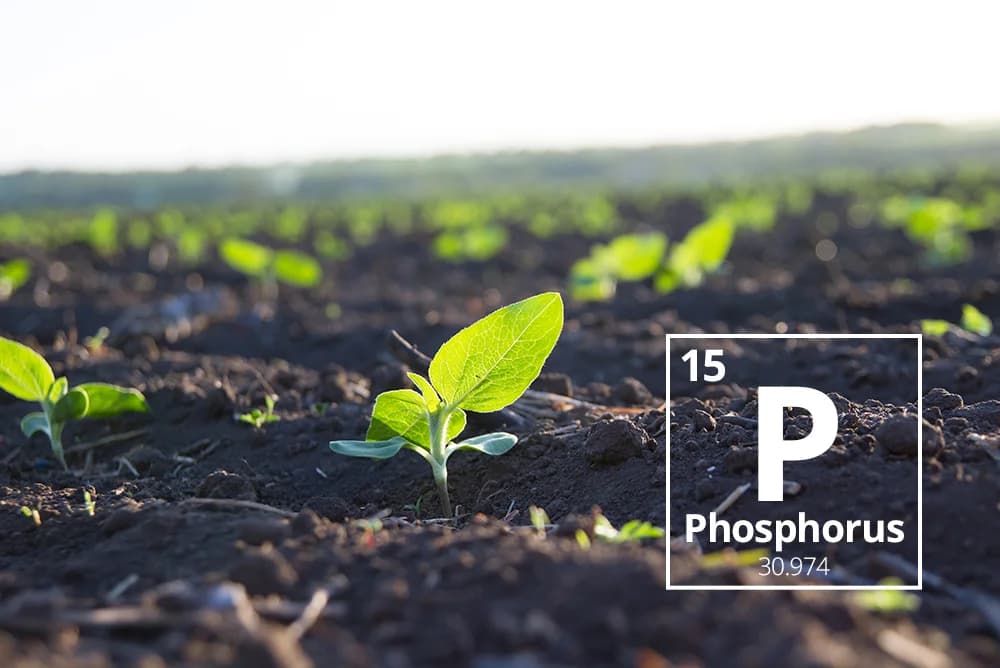
Phosphorus is an essential nutrient involved in several important plant processes, including root development, energy transfer and utilization within the plant, and reproductive development. This is why we emphasize that proper phosphorus management is an important part of a crop nutrition program.
But we want to give you one important piece of advice from the beginning:
FARMER, DO NOT APPLY PHOSPHORUS RANDOMLY. USE IT BASED ON THE NEEDS OF YOUR SOIL AND CROP.
1. WHAT IS PHOSPHORUS?
Phosphorus is one of the major nutrients required by plants together with:
Nitrogen (N)
Phosphorus (P)
Potassium (K)
You will normally see it on fertilizer labels as P.
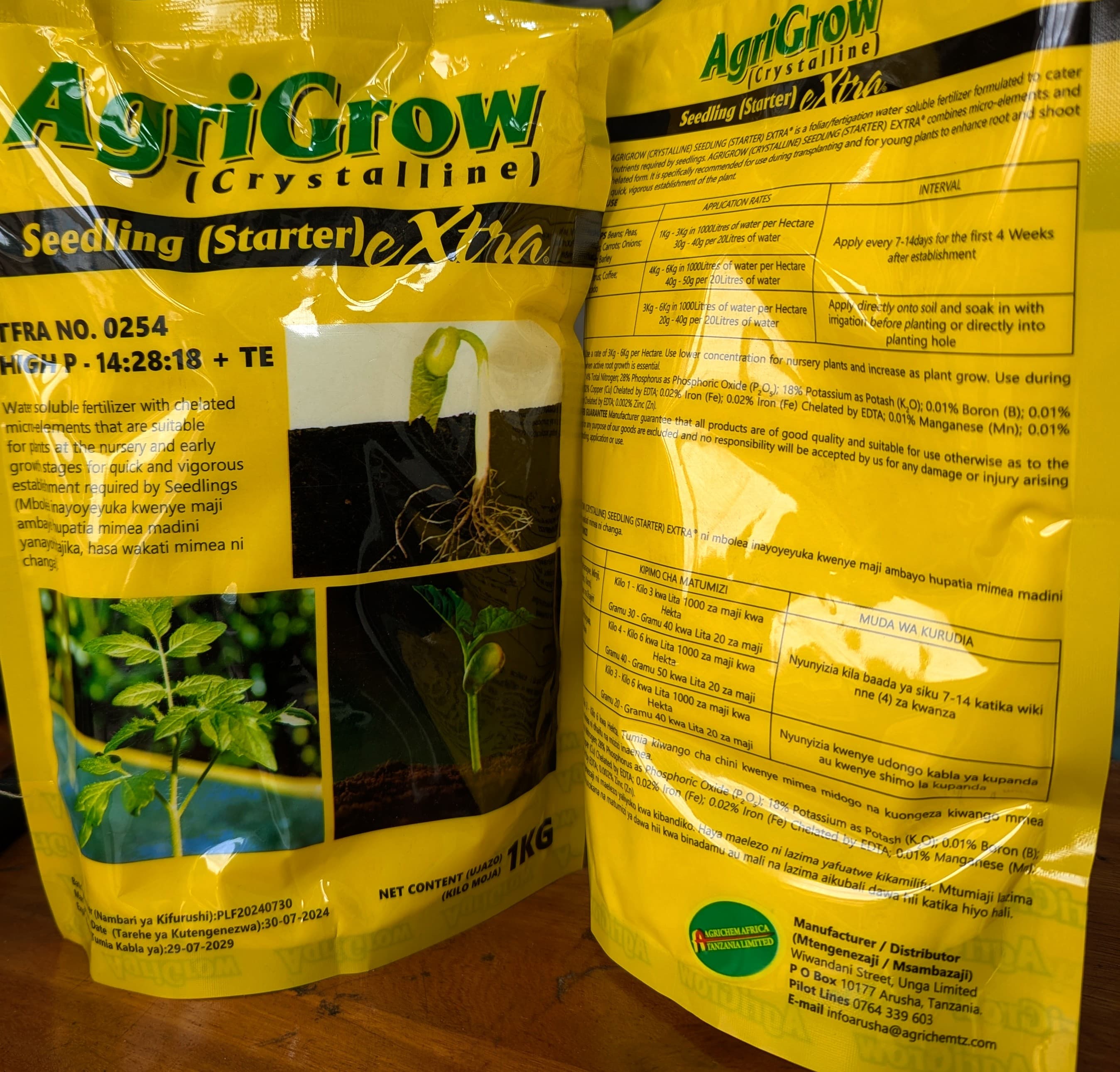
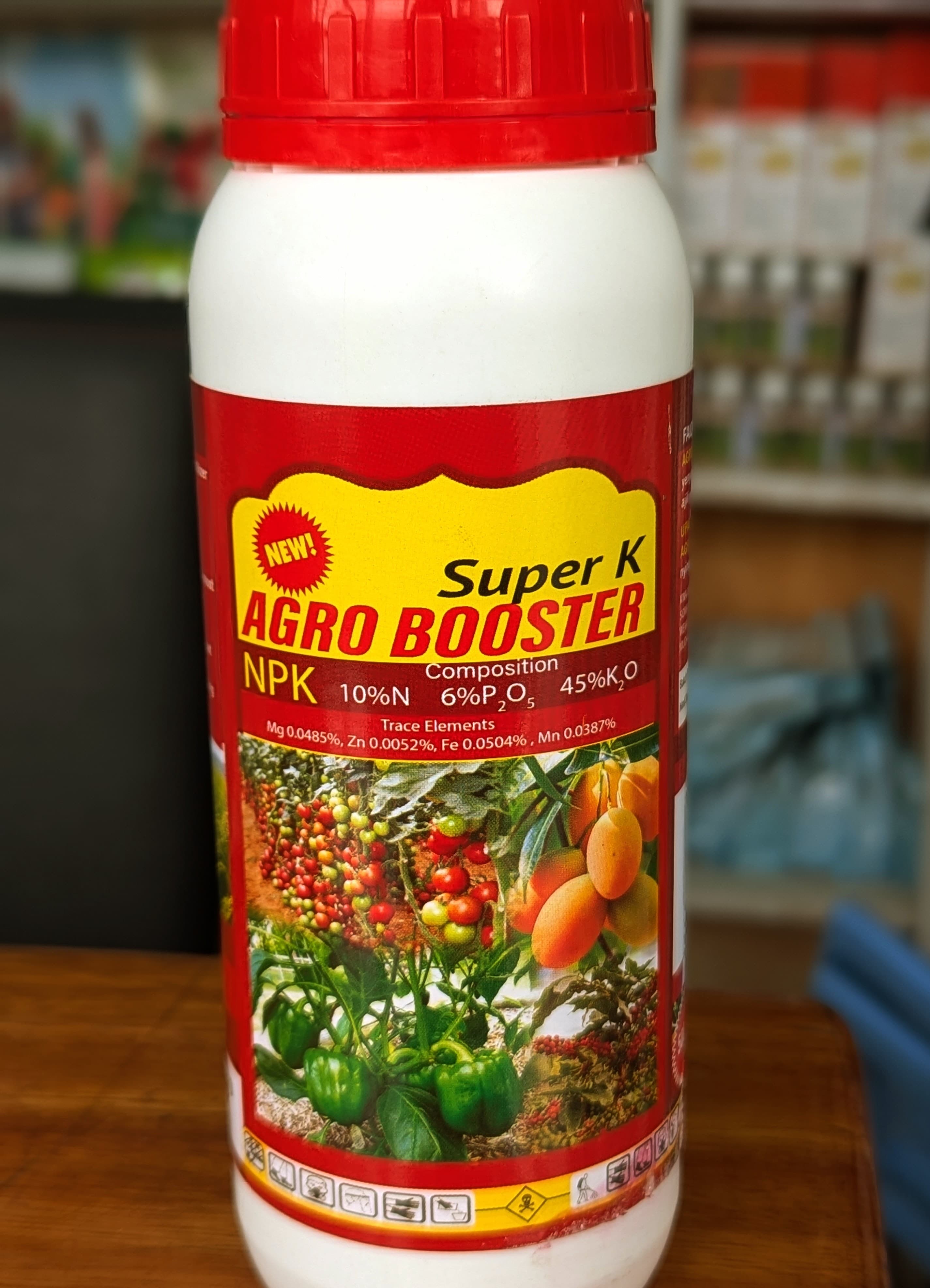
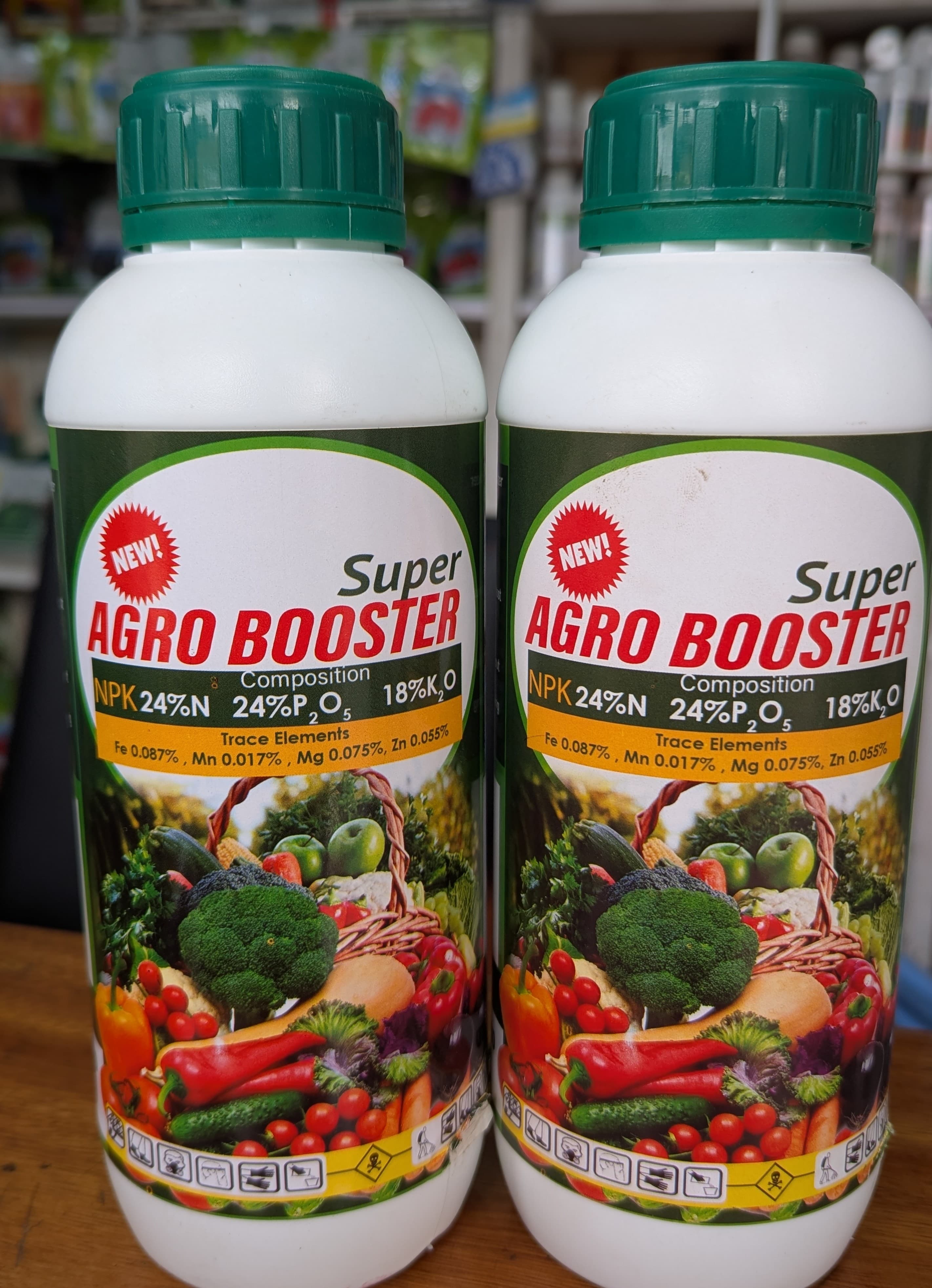
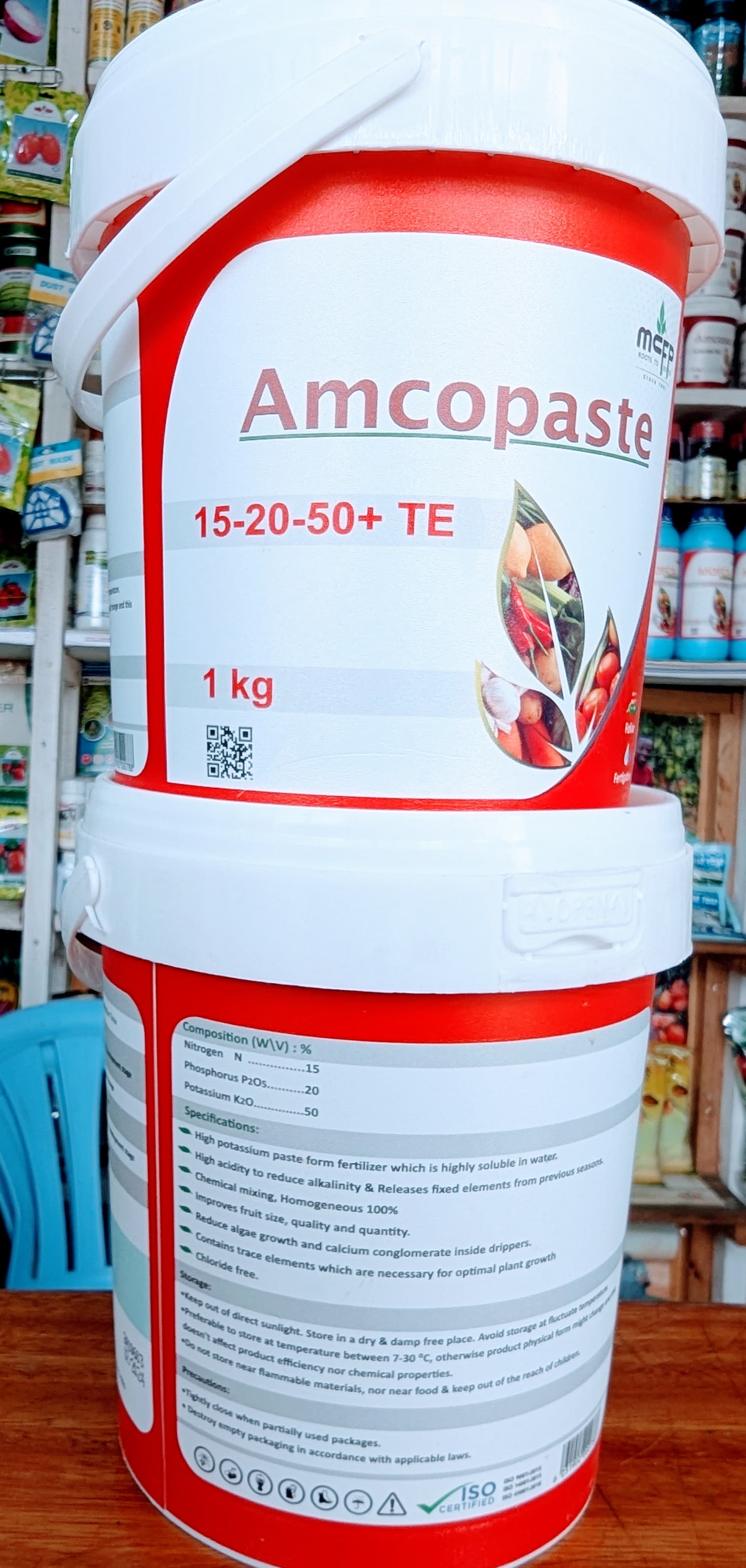
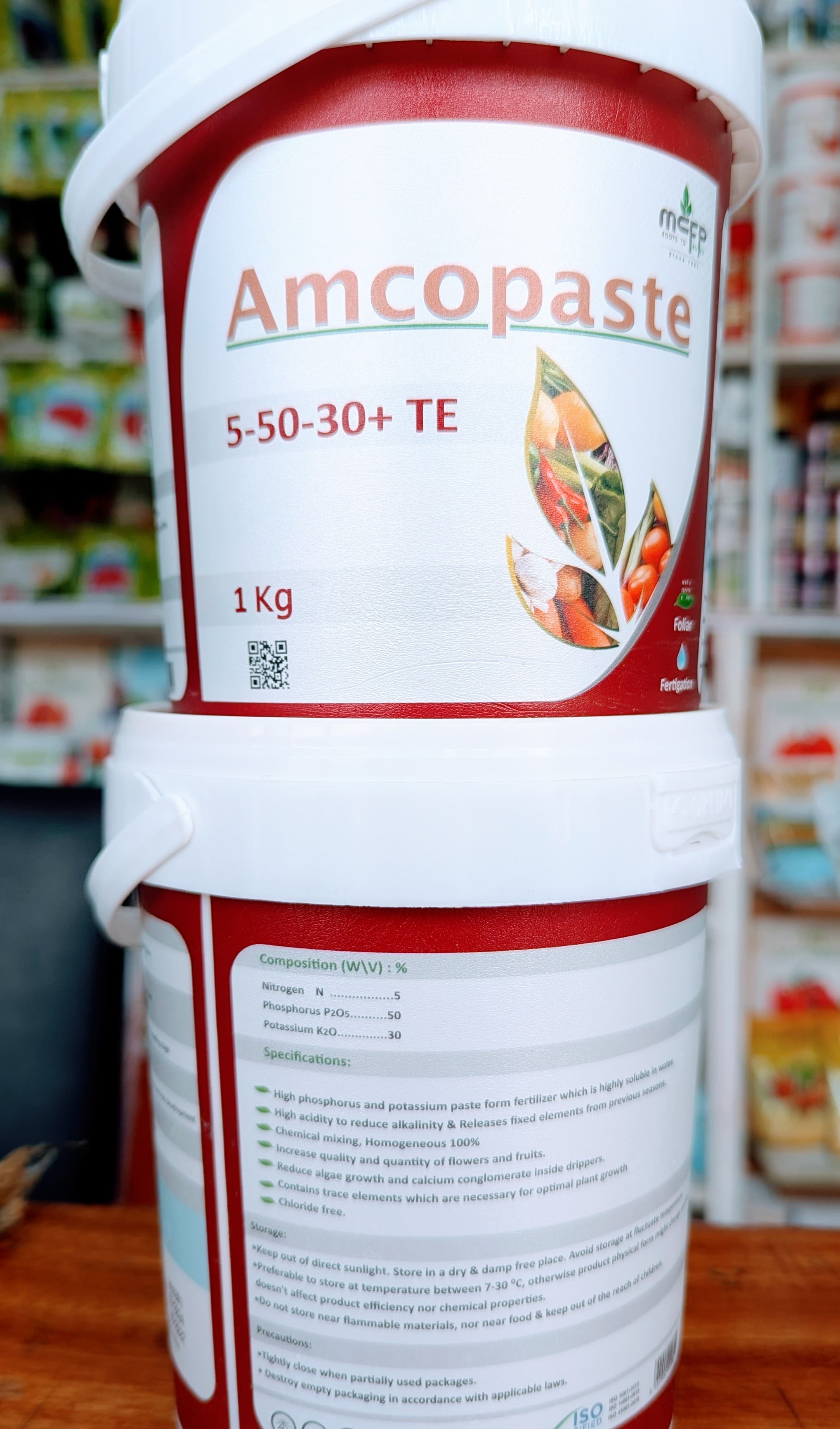
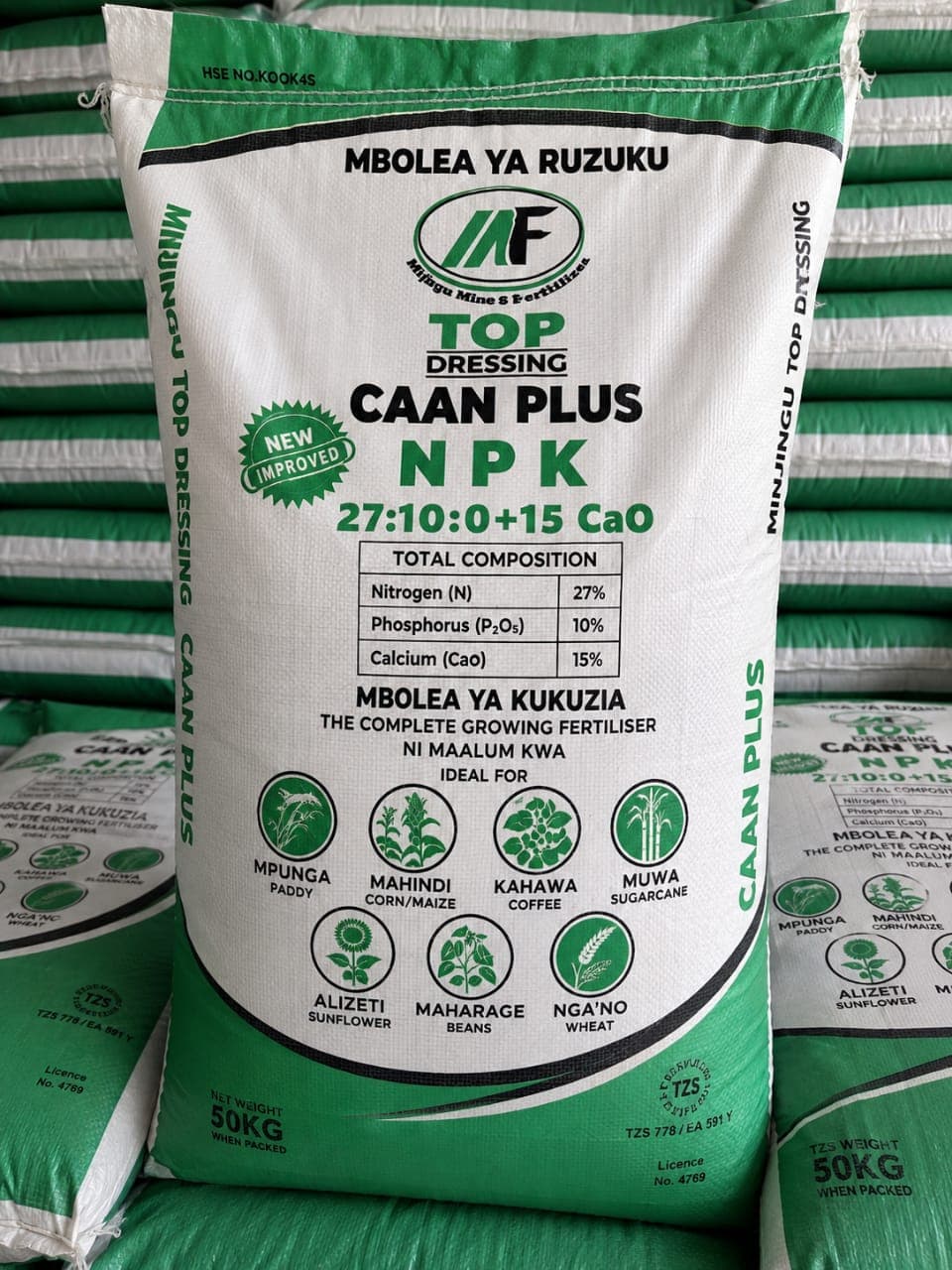
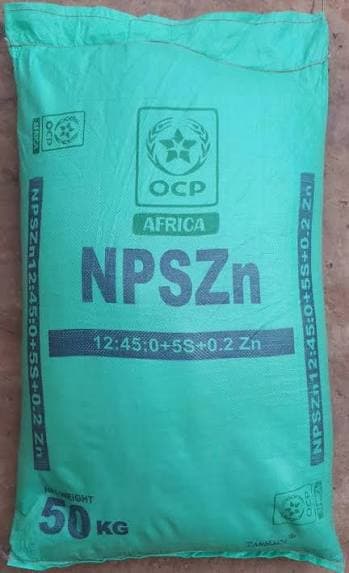
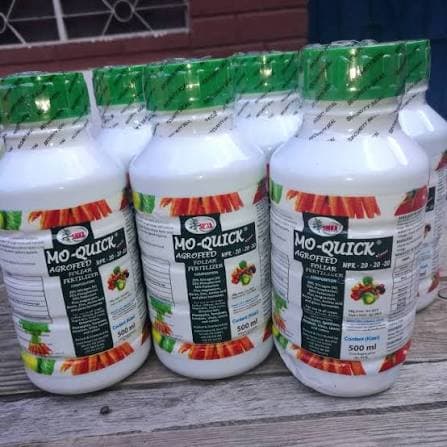
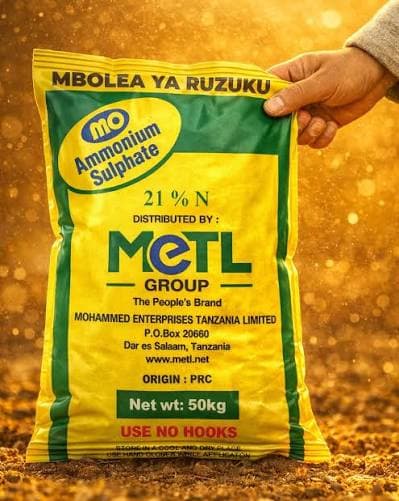
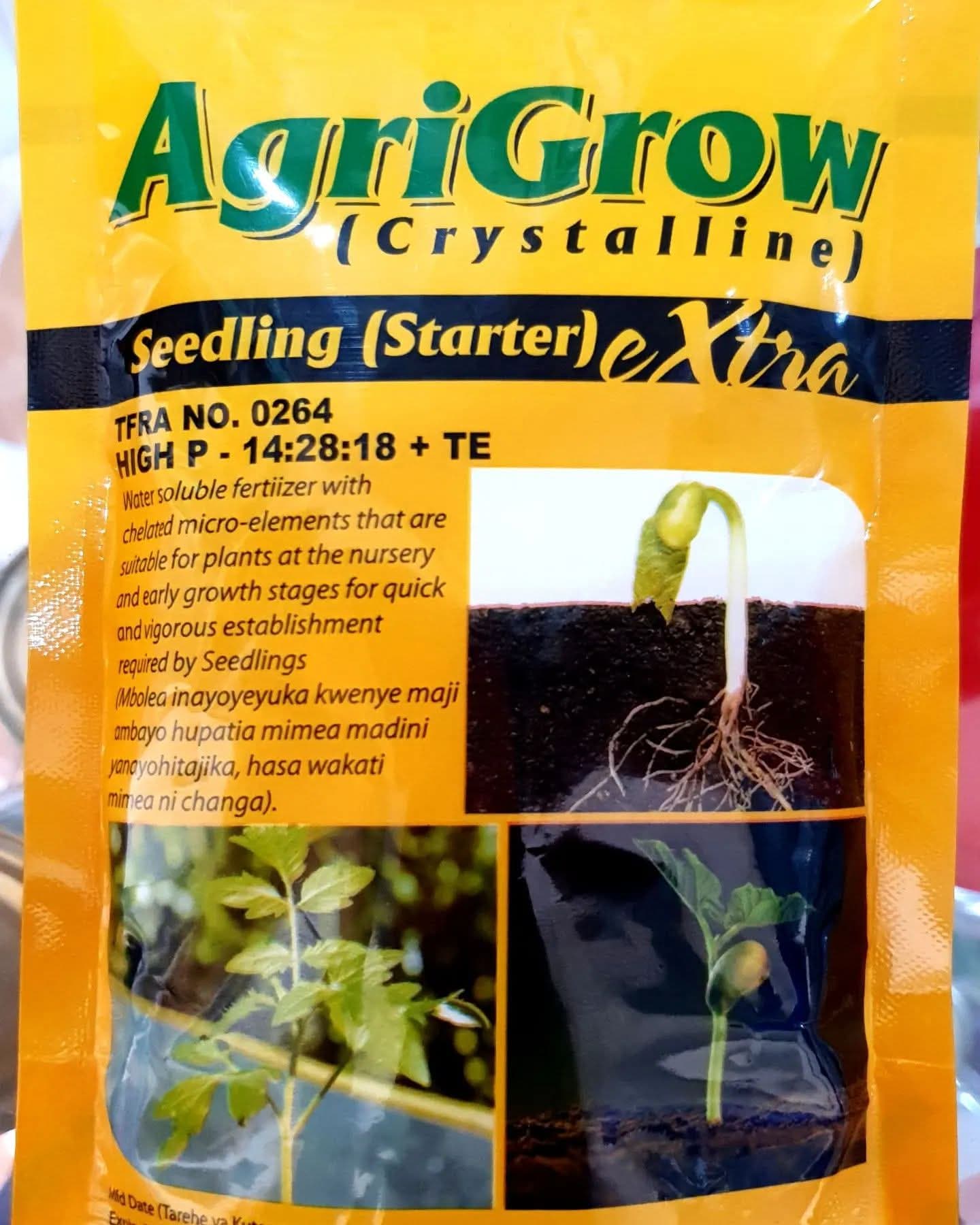
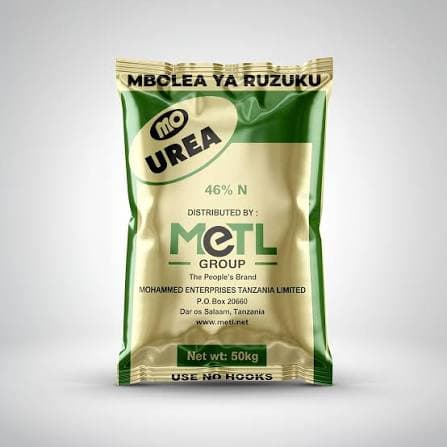
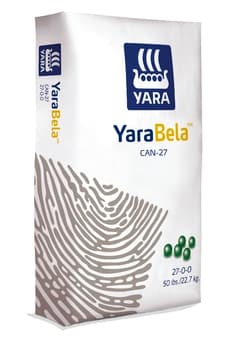
Different fertilizers can contain phosphorus, including some NPK fertilizers, DAP, MAP, TSP and other formulations, depending on their composition.
However, not every farm requires the same type or amount of phosphorus.
That is why we at CHETU AGROSOLUTION advise you not to start by asking:
“Which fertilizer should I use?”
Start by asking:
“What is the condition of my soil, and what does my crop actually need?”
2. WHY IS PHOSPHORUS IMPORTANT IN THE FARM?
🌱 A. IT SUPPORTS ROOT DEVELOPMENT
Farmer, we want you to understand that healthy crop production starts beneath the soil.
Roots help the plant obtain:
Water
Nutrients
Physical support
Resources required for growth
Phosphorus is associated with root growth and development.
This is why we emphasize its importance, especially during the early stages of crop growth when the plant is establishing its root system.
Farmer, do not only look at the leaves. Look at the foundation of the plant — the roots.
3. PHOSPHORUS AND PLANT ENERGY
Plants need energy to carry out many biological processes.
Phosphorus plays an important role in systems involved in the transfer and use of energy within plant cells.
In simple terms:
Phosphorus helps the plant transfer and utilize energy required for various growth processes.
This is why phosphorus should not be considered only in relation to leaf size or color.
4. PHOSPHORUS CAN SUPPORT A STRONG FOUNDATION FOR CROP PRODUCTION
Farmer, when we talk about crop yield, we need to think about the entire process:
Roots → growth → flowering → fruits/seeds → harvest.
Phosphorus is part of this plant nutrition system.
However, we want to emphasize:
Phosphorus alone cannot make a farm productive.
Plants require balanced nutrition.
Therefore, we also need to consider:
Nitrogen
Potassium
Calcium
Magnesium
Sulfur
Micronutrients
Water
Root health
5. PHOSPHORUS AND EARLY CROP ESTABLISHMENT
Farmer, the early stages of crop development are very important.
When a crop is germinating or being transplanted, we want to achieve:
Good root establishment
Strong plant establishment
Consistent growth
A healthy root and shoot system
This is why phosphorus-containing fertilizers may be used in some basal fertilizer programs, depending on soil and crop requirements.
However, do not assume that every farm needs large amounts of phosphorus.
Soil testing is one of the best foundations for making fertilizer decisions.
6. SYMPTOMS OF PHOSPHORUS DEFICIENCY
Farmer, when you see a crop growing poorly, do not immediately say:
“I will apply UREA.”
Or:
“I will add DAP.”
First, look for the cause.
Phosphorus deficiency may be associated with:
Poor plant growth
Poor root development
Stunted plants
Changes in leaf color, which can vary depending on the crop and growing conditions
Slow plant development
However, we advise you not to diagnose phosphorus deficiency based on only one symptom.
Plant symptoms can overlap with other problems such as:
Deficiency of other nutrients
Unsuitable soil pH
Excess water
Drought
Root damage
Diseases
Insect pests
Environmental stress
Farmer, before buying fertilizer, identify the source of the problem.
7. PHOSPHORUS AND SOIL pH
This is an issue that many farmers overlook.
You may apply phosphorus to the soil, but its availability to the plant may be affected by soil conditions.
Soil pH plays an important role in nutrient availability.
That is why we advise you to assess:
Soil pH
Available phosphorus
Nitrogen
Potassium
Other important soil fertility indicators depending on the soil test
This helps you develop a fertilizer program that matches your farm instead of applying fertilizer based on habit.
8. PHOSPHORUS AND HEALTHY ROOTS
Farmer, even if you apply good fertilizer, the plant may fail to use nutrients properly if the roots are unhealthy.
Therefore, we want you to look at the following:
Is the field waterlogged?
Prolonged waterlogging can negatively affect the root environment.
Is the soil compacted?
Compacted soil can restrict root growth.
Are there root diseases?
Root diseases can interfere with the plant's ability to absorb water and nutrients.
Is there sufficient moisture?
Plants require suitable soil moisture conditions for roots to function properly.
Therefore:
PHOSPHORUS + HEALTHY ROOTS + PROPER WATER MANAGEMENT + SUITABLE SOIL CONDITIONS = A STRONG FOUNDATION FOR PLANT NUTRITION.
9. WHEN SHOULD PHOSPHORUS BE APPLIED?
For many crops, phosphorus receives particular attention during the early stages of growth, especially when the soil is deficient.
It may be included in a basal fertilizer program or another nutrient-management plan depending on the crop and soil requirements.
However, the timing and rate should not be determined by habit alone.
We want you to consider:
Crop type
Soil type
Soil-test results
Fertilizer type
Irrigation system
Crop growth stage
Production target
Do not treat another farmer's fertilizer schedule as a fixed rule for your own farm.
10. PHOSPHORUS IS NOT A “CURE” FOR STUNTED PLANTS
Farmer, we want you to understand this clearly.
Phosphorus is a nutrient, not a medicine.
If a crop is stunted because of:
Disease
Insect pests
Damaged or diseased roots
Excess water
Drought
Soil problems
Deficiency of another nutrient
then adding phosphorus alone will not solve the problem.
That is why we at CHETU AGROSOLUTION emphasize proper diagnosis before selecting an agricultural input.
11. DO NOT CONFUSE PHOSPHORUS WITH “MORE FERTILIZER MEANS MORE YIELD”
This is a mistake that can cost farmers money.
A farmer may think:
“If phosphorus is good, applying more will give me more yield.”
This is not a sound principle.
Excessive or inappropriate fertilizer use can:
Increase production costs
Disturb nutrient balance
Create plant nutrition challenges
Lead to inefficient input use
Therefore, we advise:
USE AN AMOUNT THAT MATCHES THE NEEDS OF YOUR SOIL AND CROP.
12. PHOSPHORUS AND NITROGEN — DO NOT CONSIDER THEM IN ISOLATION
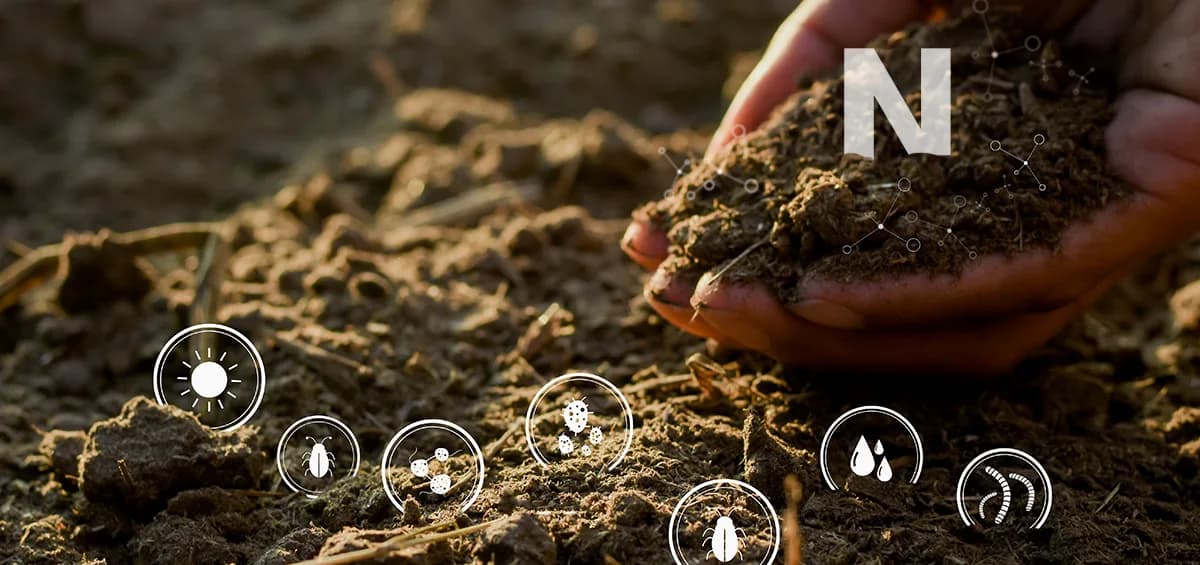
Nitrogen and phosphorus have different roles in plants.
For example:
Nitrogen is strongly associated with the growth of leaves and other green plant tissues.
Phosphorus is involved in important processes such as root development and energy transfer.
Therefore, farmers should have a nutrient-management plan that considers nutrients together.
Do not think:
“My crop is weak, let me apply UREA.”
Or:
“The roots are not developing, let me apply DAP.”
First:
Identify the problem → test the soil → understand the crop → develop a nutrient-management plan.
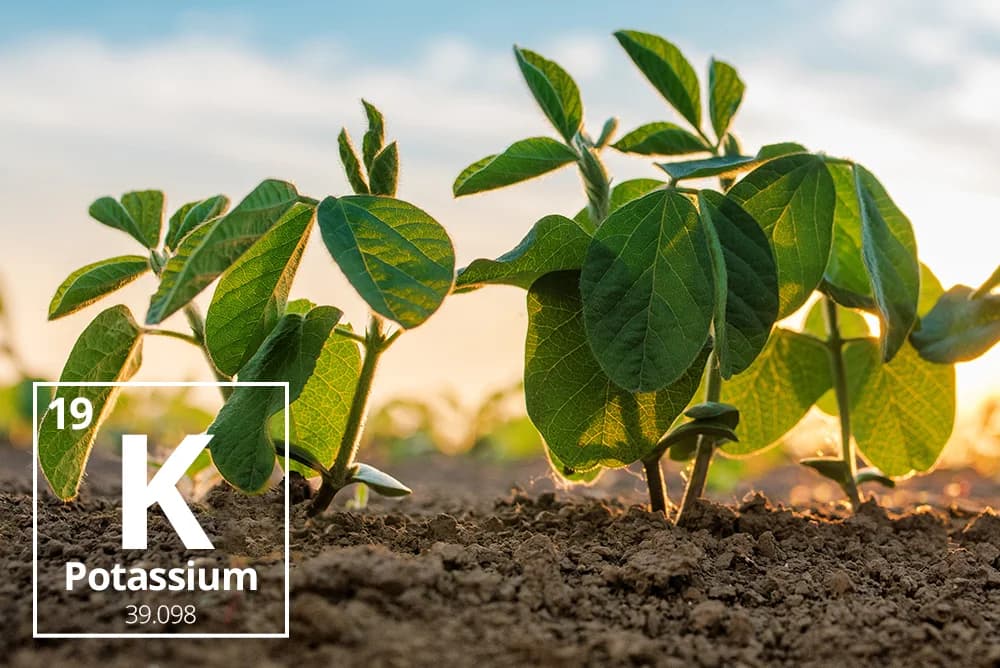
13. PHOSPHORUS AND POTASSIUM
Potassium is another important nutrient required by plants.
Therefore, when developing a fertilizer program, we need to consider:
N + P + K
as well as other nutrients depending on crop and soil requirements.
Farmer, do not build your fertilizer program simply by looking at the name of a fertilizer.
Look at:
What nutrients does it contain?
At what concentrations?
What is deficient in your soil?
What growth stage is your crop in?
What type of production are you targeting?
14. PHOSPHORUS AND MANURE/COMPOST
We advise farmers not to think that successful soil fertility management depends only on mineral fertilizers.
Well-decomposed manure and compost can help improve soil condition and add organic matter, depending on their quality and how they are used.
However, manure or compost does not automatically mean that all of the crop's phosphorus requirements have been met.
Therefore:
Assess the soil and then develop an appropriate nutrient-management plan.
15. PHOSPHORUS AND SOIL TESTING
This is where we strongly advise every farmer:
FARMER, TEST YOUR SOIL BEFORE MAKING MAJOR FERTILIZER DECISIONS.
A soil test can help you understand:
Soil pH
Phosphorus
Potassium
Nitrogen, depending on the test
Other soil fertility indicators
Because:
A farm in Moshi does not necessarily have the same soil conditions as a farm in Babati.
Even two farms located in the same area may have different soil conditions.
That is why we do not want to give you generic fertilizer advice that ignores the actual condition of your farm.
16. COMMON FARMER MISTAKES REGARDING PHOSPHORUS
❌ MISTAKE 1: APPLYING FERTILIZER WITHOUT TESTING THE SOIL
Do not do this without a clear reason.
❌ MISTAKE 2: ASSUMING EVERY STUNTED PLANT HAS A PHOSPHORUS DEFICIENCY
Stunting can have many causes.
❌ MISTAKE 3: APPLYING LARGE AMOUNTS OF PHOSPHORUS HOPING FOR HIGHER YIELDS
More is not necessarily better.
❌ MISTAKE 4: PLACING FERTILIZER TOO CLOSE TO SEEDS OR ROOTS
Highly concentrated fertilizer in direct contact with seeds or young roots can cause damage.
Follow the correct application method for the specific fertilizer and seek professional advice where necessary.
❌ MISTAKE 5: IGNORING SOIL pH
Nutrient availability is influenced by soil conditions.
❌ MISTAKE 6: FOCUSING ONLY ON FERTILIZER AND FORGETTING WATER MANAGEMENT
Plants need a suitable root environment to use nutrients effectively.
❌ MISTAKE 7: BUYING FERTILIZER SIMPLY BECAUSE ANOTHER FARMER USED IT
Your farm may have different conditions.
17. FARMER, WHAT SHOULD YOU DO?
We recommend that you follow these steps:
STEP 1
Identify the crop you are growing.
STEP 2
Understand your soil type and the history of the field.
STEP 3
Test your soil before making major fertilizer decisions.
STEP 4
Check soil pH and available phosphorus.
STEP 5
Choose fertilizer according to the needs of the crop and soil.
STEP 6
Apply fertilizer at the appropriate time and in the correct way.
STEP 7
Monitor crop growth after application.
STEP 8
Do not change your fertilizer program randomly.
18. PHOSPHORUS AND COMMERCIAL FARMING
Farmer, we want you to start viewing fertilizer as part of your production cost, not simply as a product to purchase.
Before buying phosphorus or any fertilizer, ask yourself:
Why am I applying it?
What nutrient deficiency does my soil have?
What does my crop need?
At what growth stage will I apply it?
What benefit do I expect from using it?
Are there other nutrients I should also consider?
This can help reduce unnecessary input expenses.
19. PHOSPHORUS ALONE IS NOT ENOUGH
We emphasize this to every farmer:
Do not build your entire fertilizer program around phosphorus alone.
Crops require balanced nutrition.
Depending on the crop and soil, we need to consider:
🌱 Nitrogen
🌱 Phosphorus
🌱 Potassium
🌱 Calcium
🌱 Magnesium
🌱 Sulfur
🌱 Micronutrients
Together with:
💧 Water
🌱 Root health
🌍 Soil condition
🐛 Insect pests
🦠 Diseases
🌿 Weeds
This is why we advise farmers to look at the whole production system, rather than focusing on one fertilizer alone.
20. HOW DOES CHETU AGROSOLUTION HELP YOU?
Farmer, do not face farm challenges alone.
We at CHETU AGROSOLUTION stand with farmers by providing advice and support on agricultural inputs and crop management.
We can help you with:
🌱 SEEDS
We help you choose seeds according to:
Crop
Location
Season
Production environment
Market or production objectives
🧪 FERTILIZERS
We help you understand your crop's nutritional needs and select suitable inputs based on your farm conditions and production plan.
🔬 FARM PROBLEM SOLVING
If you notice:
Poor crop growth
Changes in leaf color
Poor root development
Stunted plants
Flower drop
Poor fruit development
Signs of insect pests or diseases
Do not rush to buy pesticides or fertilizers before identifying the problem.
Contact us early so that you can receive appropriate advice.
👨🌾 AGRONOMIC ADVICE
We provide advice on:
Seeds
Fertilizers
Plant nutrition
Insect pests
Diseases
Farm management
Proper use of agricultural inputs
CHETU AGROSOLUTION also provides professional agronomic advice and farm-monitoring support where required.
21. FARMER, DO NOT WAIT UNTIL THE PROBLEM BECOMES SERIOUS
We advise you not to wait until the entire field is affected.
When you notice unusual symptoms:
Call us.
Send us a WhatsApp message.
Visit CHETU AGROSOLUTION.
We can begin by asking you for important information about:
Crop
Crop age
Farm location
Soil type
Fertilizers already applied
Irrigation system
Symptoms observed
Field history
This information helps us provide advice that targets the actual problem rather than making assumptions.
22. CONCLUSION: FARMER, USE PHOSPHORUS WITH A PLAN
Farmer, phosphorus is an important nutrient in crop production.
It plays important roles in root development and energy-related processes within the plant, but successful crop production cannot depend on phosphorus alone.
We want you to focus on:
✅ Soil testing
✅ Knowing your soil pH
✅ Understanding the phosphorus status of your soil
✅ Choosing fertilizer according to crop and soil requirements
✅ Applying fertilizer at the appropriate time
✅ Maintaining healthy roots
✅ Managing water properly
✅ Providing balanced plant nutrition
✅ Monitoring your field regularly
✅ Identifying problems before applying pesticides or fertilizers
🌱 FARMER, DO NOT FARM BY GUESSWORK — FARM WITH A PLAN.
If you need seeds, fertilizers, agricultural inputs, professional agronomic advice, or help solving a farm problem, do not continue struggling on your own.
Come to CHETU AGROSOLUTION.
CHETU AGROSOLUTION — QUALITY INPUTS, BETTER HARVESTS, BETTER LIVES.
Farmer, phosphorus is important — but the right nutrient-management plan is the foundation.