ONION FARMING AND ITS BENEFITS
By CHETU AGROSOLUTION · 23 September 2026
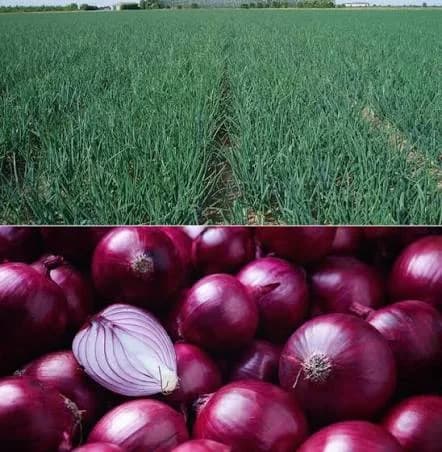
Dear Farmer, we advise you not to enter onion farming based on guesswork. Start with a plan.
Onion farming is an important commercial agricultural activity that can provide good income to farmers when production is properly managed. However, success does not begin at harvest time. It begins with choosing the right location, preparing the soil, selecting quality seed, managing the nursery, transplanting properly, managing irrigation, providing balanced crop nutrition, controlling weeds, pests and diseases, and planning the market.
At CHETU AGROSOLUTION, we want to teach you not only how to grow onions, but also how to farm onions as a business.
1. WHY SHOULD YOU GROW ONIONS?
Farmer, before you buy seed, ask yourself:
Why am I growing onions?
Onions are widely used for food and commercial purposes, making them a potential source of income for farmers who plan production and marketing properly.
Benefits you may gain from onion farming include:
- Increasing household income.
- Developing a horticultural business.
- Creating opportunities to sell in local and other markets.
- Making productive use of land with access to irrigation.
- Diversifying your farming activities instead of depending on only one crop.
- Building a farming business that can continue across different seasons, depending on environmental conditions and market demand.
However, we advise you not to assume that today's onion price will automatically be your profit tomorrow.
Before planting, calculate your production costs, identify potential markets and understand when your crop is expected to mature.
Commercial farming starts before planting.
2. CHOOSE A SUITABLE LOCATION FOR ONION FARMING
Farmer, your first step is to choose the right field.
Onions perform well in fertile soils with good drainage. We advise you to avoid areas where water remains stagnant for long periods because excessive moisture can increase root problems and rotting.
Before starting, ask yourself:
- Does the field have enough water?
- Can excess water drain away?
- Does the soil have good drainage?
- Does the field receive sufficient sunlight?
- Does the field have a history of crop diseases?
- Can you easily access the field for weeding, spraying and harvesting?
Do not choose a field based only on its size. Choose it based on its ability to produce.
3. TEST YOUR SOIL BEFORE PLANTING
Here is something we strongly emphasize:
Do not buy fertilizer first and then start wondering what your soil actually needs.
We advise you to test your soil before developing your fertilizer program.
Soil testing can help you understand the condition of your soil, including:
- Soil pH.
- Nitrogen (N).
- Phosphorus (P).
- Potassium (K).
- Other nutrients, depending on the type of soil test conducted.
Because fields are different, a fertilizer program that works for one field may not necessarily be suitable for another.
Farmer, do not use fertilizer simply because it is a farming tradition. Use fertilizer according to your soil and crop requirements.
4. CHOOSE QUALITY SEED THAT SUITS YOUR AREA
Successful onion production starts with the seed.
We advise you to select seed based on:
- Your location.
- The production season.
- Climate conditions.
- Your target market.
- The size and quality of onions required by the market.
- The ability of the variety to perform under the conditions in your area.
Do not buy seed simply because it is cheap.
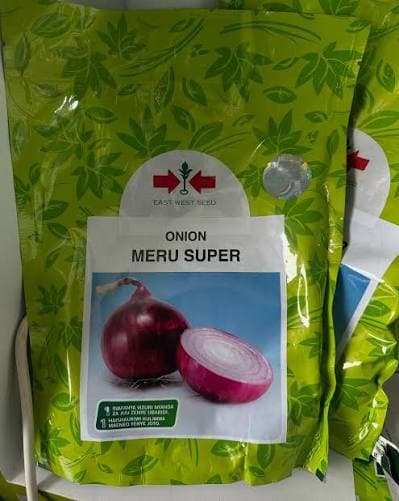
Quality seed that is suitable for your environment can give your crop a strong start.
At CHETU AGROSOLUTION, we can help you select suitable seed based on your location, production season and farming objectives.
5. PREPARE THE NURSERY PROPERLY
Farmer, if you are producing onions through seedlings, the nursery is the foundation for obtaining healthy planting material.
We advise you to:
- Choose a clean area with suitable soil.
- Prepare a fine and well-structured seedbed.
- Use well-decomposed compost or manure where appropriate.
- Sow the seeds in a way that allows the seedlings to grow properly.
- Irrigate according to the crop's needs.
- Keep weeds under control.
- Inspect the nursery regularly for pests and disease symptoms.
Do not over-irrigate simply because you believe more water will make seedlings grow faster. Excess moisture can increase root problems and diseases.
Under systems that use seedlings, onions may be ready for transplanting after approximately 40–45 days, depending on seedling condition and growing conditions.
6. PREPARE THE FIELD BEFORE TRANSPLANTING
Once your seedlings reach the appropriate stage, start preparing the field early.
We advise you to:
- Plough and prepare the soil properly.
- Remove weeds.
- Remove plant residues that may carry diseases.
- Prepare raised beds where appropriate.
- Apply well-decomposed compost or manure according to soil requirements.
- Make sure the field does not remain waterlogged.
For conventional seedling production, spacing should be determined according to the variety and production system. For example, some CHETU AGROSOLUTION guidelines indicate approximately 30 cm between rows and 8–10 cm between plants, but we advise you to also follow the recommendations for the specific seed variety you are using.
7. TRANSPLANT SEEDLINGS CAREFULLY
Farmer, do not damage your seedlings during transplanting.
We advise you to:
- Transplant healthy seedlings.
- Avoid severely stunted seedlings or those showing disease symptoms.
- Make sure the soil has suitable moisture at the time of transplanting.
- Do not bury seedlings too deeply.
- Follow the recommended spacing for your variety.
- Avoid placing concentrated fertilizer directly against young roots.
The goal is to help the seedlings establish properly and allow the roots to develop in a healthy environment.
8. MANAGE IRRIGATION CAREFULLY
This is an area we strongly emphasize.
Onions need water, but they do not need standing water in the field.
Farmer, we advise you to:
- Irrigate according to soil conditions.
- Avoid allowing the crop to experience severe water stress for long periods.
- Avoid excessive irrigation.
- Make sure excess water can drain away.
- Increase monitoring during bulb formation and development.
Poorly managed irrigation can contribute to root problems and rotting.
Therefore, do not rely only on an irrigation schedule. Monitor the soil, weather conditions and crop growth stage.
9. CROP NUTRITION: DO NOT APPLY FERTILIZER BY GUESSWORK
Farmer, onions require balanced nutrition.
We advise you to develop your nutrition program based on:
- Soil-test results.
- Soil type.
- Onion variety.
- Crop growth stage.
- Irrigation system.
- Production target.
Important nutrients may include:
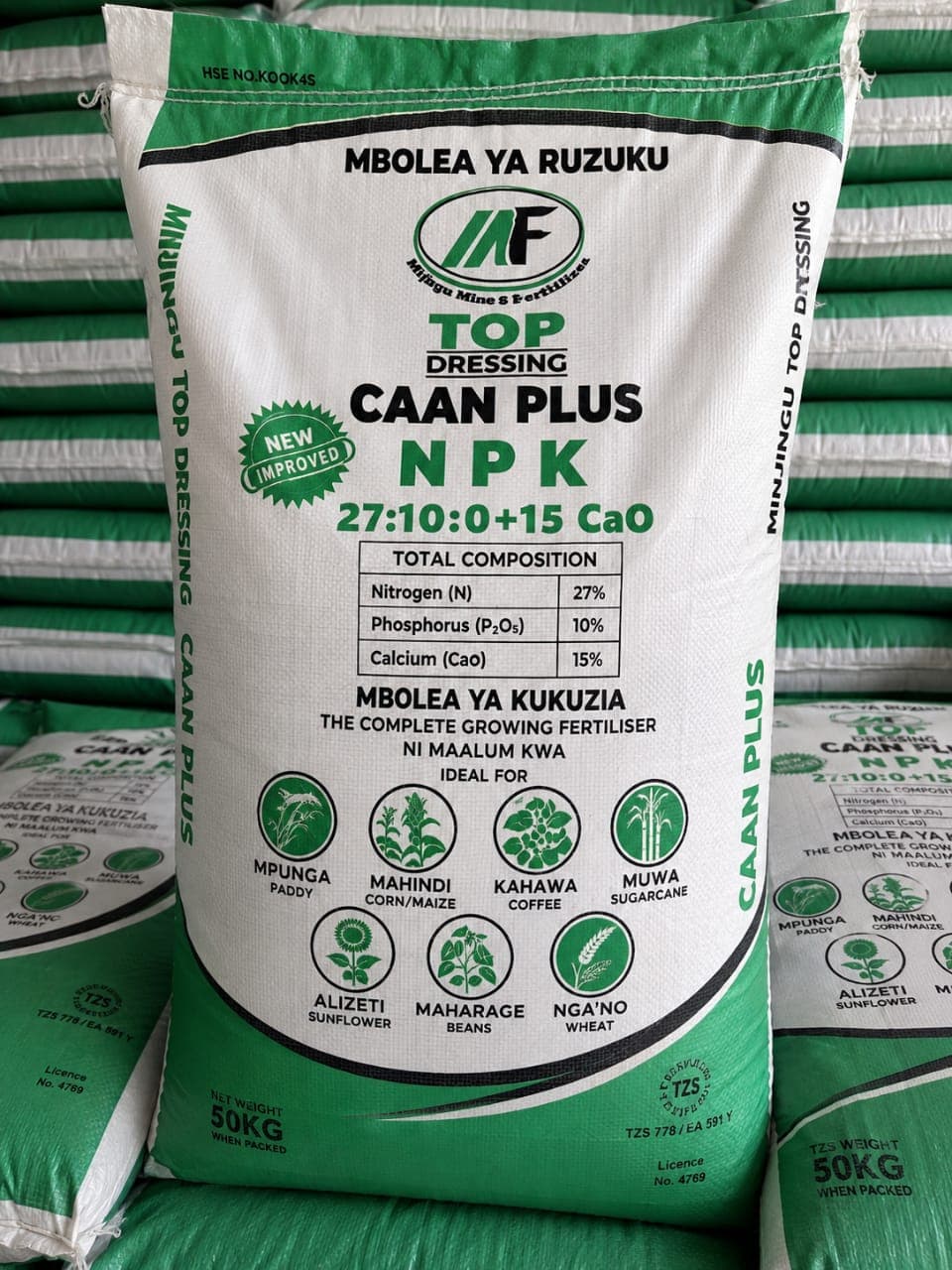
Nitrogen (N), Phosphorus (P), Potassium (K), Calcium (Ca), Magnesium (Mg), Sulfur (S) and micronutrients, depending on crop and soil requirements.
During the early growth stage
We focus on supporting good root establishment and healthy leaf development through nutrition that matches the crop's needs.
During bulb formation
We adjust the nutrition program according to crop requirements, with potassium being an important part of the nutrition plan where appropriate.
During maturity
We advise you not to continue applying nitrogen without a clear plan.
Do not assume that more fertilizer automatically means bigger onions.
Excessive or poorly managed fertilizer application can increase costs and create problems instead of improving production.
10. CONTROL WEEDS EARLY AND ON TIME
Farmer, do not wait until weeds become large.
Onions are not strong competitors against weeds, so we advise you to control weeds early and regularly.
Weeds compete with onions for:
- Water.
- Nutrients.
- Light.
- Space.
Weeds can also contribute to an environment where pests and other field problems continue.
A clean field is not only about appearance—it is part of good production management.
11. INSPECT YOUR FIELD REGULARLY
Farmer, do not wait until the leaves are already severely damaged before looking for a problem.
We advise you to walk through your field regularly and inspect:
- Leaf color.
- Changes in leaves.
- Plant growth.
- Roots.
- Bulbs.
- Pests.
- Disease symptoms.
- Soil moisture.
If you notice unusual changes, look for the cause early.
Do not immediately spray pesticides before determining what the actual problem is.
12. MANAGE THRIPS AND OTHER PESTS PROPERLY
Thrips are among the pests that can create challenges in onion production.
We advise you to:
- Inspect leaves regularly.
- Identify pests early.
- Monitor the level of infestation.
- Avoid waiting until serious damage occurs.
- Use appropriate control methods.
- If pesticides are required, use registered products and follow label instructions.
Do not choose a pesticide simply because you heard that “this product kills insects.”
We first want to know:
Which pest is involved? What is the level of infestation? Which part of the plant is affected? And what control method is appropriate?
13. DISEASE PREVENTION AND MANAGEMENT
Onions can be affected by different diseases, especially where there is excessive moisture, poor drainage or inadequate field management.
Diseases such as Purple Blotch and Downy Mildew can create significant challenges in onion production.
We advise you to:
- Use quality seed.
- Avoid planting seedlings showing disease symptoms.
- Maintain field sanitation.
- Control weeds.
- Avoid excessive moisture.
- Maintain good air circulation around plants.
- Inspect the field early.
- Practice crop rotation where appropriate.
- Use the correct crop-protection product when the problem has been properly identified.
IMPORTANT:
Do not see a spot on a leaf and immediately conclude that it is a fungal disease.
Symptoms can sometimes be similar to problems caused by nutrient deficiencies, pests, water stress or environmental conditions.
That is why we advise:
Identify the problem first, then choose the appropriate control measure.
14. MANAGE BULB DEVELOPMENT CAREFULLY
Farmer, when the bulb begins to form and increase in size, do not reduce your level of management.
We advise you to pay attention to:
- Proper irrigation.
- Balanced nutrition.
- Potassium where required.
- Weed control.
- Thrips and other pest management.
- Disease monitoring.
At this stage, avoid applying excessive nitrogen simply out of habit.
We want the plant to maintain healthy growth while the bulb develops good quality for the target market.
15. HARVEST AT THE RIGHT TIME
Farmer, do not harvest based on bulb size alone.
Maturity signs may include:
- Leaves beginning to fall over.
- The onion neck becoming softer.
- The bulb reaching the expected size for the variety.
CHETU AGROSOLUTION guidelines indicate that harvesting may begin when approximately 50–70% of the leaves have fallen over and started drying, depending on the variety and growing conditions.
We advise you not to rely on the calendar alone.
Look at the crop itself.
16. DO NOT NEGLECT CURING AFTER HARVEST
Farmer, the work does not end when you pull the onions from the soil.
After harvesting, we advise you to properly cure the onions to reduce moisture and prepare them for storage.
Allow them to dry under suitable conditions until the necks are properly dry, then store them in a dry and well-ventilated place.
Do not store onions in areas that are:
- Excessively humid.
- Poorly ventilated.
- Exposed to leaking water.
- Filled with rotten onions that have not been removed.
Good onions from the field can lose their value because of poor post-harvest handling.
17. THE PROFITABILITY OF ONION FARMING DEPENDS ON BUSINESS MANAGEMENT
Farmer, do not measure your success simply by seeing many bags of onions.
We advise you to record:
- Seed costs.
- Fertilizer costs.
- Pesticide and crop-protection costs.
- Land preparation costs.
- Labour costs.
- Irrigation costs.
- Transportation costs.
- Quantity harvested.
- Selling price.
- Total income.
This will help you determine whether your farming business is truly profitable and where you need to improve in the next season.
Do not only know how much you harvested; know how much you earned after costs.
18. LOOK FOR THE MARKET BEFORE HARVEST
Farmer, one major mistake is to plant first and start looking for buyers only after the onions mature.
We advise you to start planning your market early.
- Identify traders.
- Monitor markets in your area.
- Understand buyer requirements.
- Know the quality they demand.
- Plan transportation.
- Monitor price trends without assuming that a particular price will remain unchanged until harvest.
Farm with the market in mind—do not allow the market to force you into farming without a plan.
19. MISTAKES WE ADVISE YOU TO AVOID
Farmer, we advise you to avoid these common mistakes:
❌ Planting without a market plan.
❌ Using seed from an unreliable source.
❌ Applying fertilizer without understanding soil requirements.
❌ Over-irrigating.
❌ Allowing water to remain stagnant in the field.
❌ Delaying weed control.
❌ Ignoring thrips and other pests.
❌ Spraying pesticides without identifying the problem.
❌ Mixing pesticides without professional advice.
❌ Applying higher-than-recommended rates.
❌ Ignoring diseases during the early stages.
❌ Continuing to apply excessive nitrogen without a plan as bulbs approach maturity.
❌ Harvesting without considering crop maturity.
❌ Storing onions in humid conditions.
❌ Failing to keep records of production costs and income.
20. HOW CAN CHETU AGROSOLUTION HELP YOU?
Farmer, you do not have to farm alone.
At CHETU AGROSOLUTION, we are here to support you throughout your farming journey.
We provide support with:
🌱 SEEDS
We help you choose suitable seed based on your location, season and production plan.
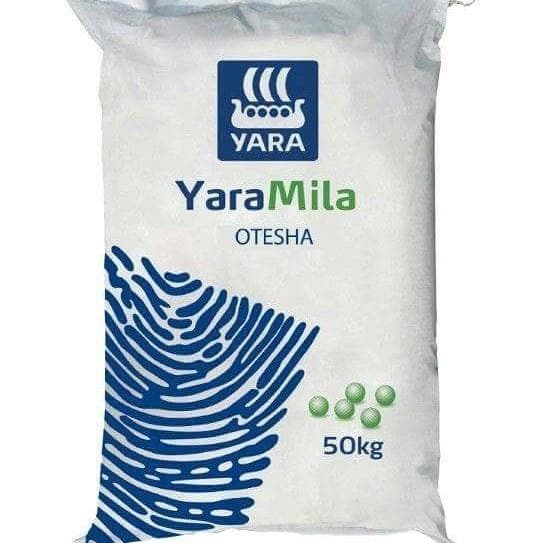
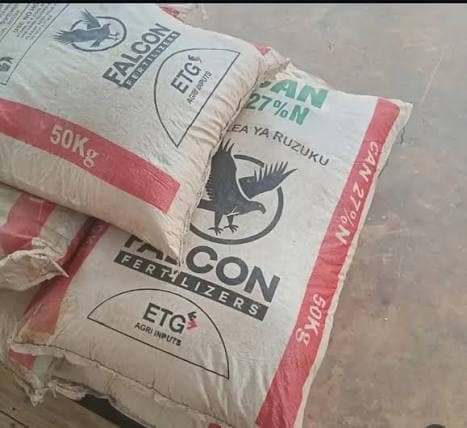
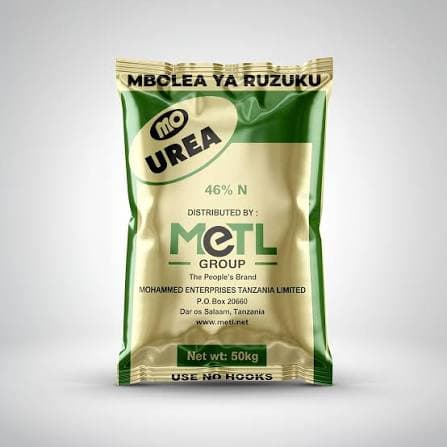
🧪 FERTILIZERS AND CROP NUTRITION
We guide you in selecting appropriate agricultural inputs and planning their use according to crop and field requirements.
🐛 PESTS AND DISEASES
When you notice a problem in your field, do not rush to buy a pesticide.
Contact us first.
We can help you understand the symptoms and identify an appropriate way to address the challenge.
🌱 AGRONOMIC ADVICE
We provide professional advice on seeds, fertilizers, crop-protection products and crop management. We also provide farmer training and farm-monitoring services where needed.
🚚 INPUT DELIVERY
You can contact us by phone, WhatsApp or through our website to order agricultural inputs. We serve farmers across Tanzania.
21. FARMER, DO NOT WAIT UNTIL THE PROBLEM BECOMES SERIOUS
If you notice:
- Leaves changing color.
- Leaves curling.
- Spots appearing on leaves.
- Stunted plants.
- Wilting plants.
- High pest activity.
- Poor bulb development.
- Rotting onions.
- Any unusual problem you do not understand.
Contact us early.
Do not wait until the problem has spread throughout the entire field.
We want to help you take action early and with the right understanding of the problem.
CONCLUSION: GROW ONIONS WITH A PLAN, NOT BY CHANCE
Farmer, onion farming can be a valuable opportunity for increasing income, but success requires knowledge, preparation and close management.
At CHETU AGROSOLUTION, our advice to you is clear:
Choose the right location.
Test your soil.
Choose quality seed.
Prepare your nursery properly.
Prepare the field correctly.
Transplant using appropriate spacing.
Manage water carefully.
Use crop nutrition according to a plan.
Control weeds early.
Monitor pests and diseases regularly.
Do not use pesticides before identifying the problem.
Harvest at the right time.
Cure and store the onions properly.
Above all, plan your market before harvesting.
🌱 CHETU AGROSOLUTION — FARMING TOGETHER WITH THE FARMER
Farmer, if you need onion seed, fertilizers, crop-protection products or other agricultural inputs, professional agronomic advice, assistance in identifying and solving field problems, do not struggle with the challenge alone.
Visit CHETU AGROSOLUTION or contact us.
QUALITY INPUTS • BETTER HARVESTS • BETTER LIVES
CHETU AGROSOLUTION — YOUR FARMING PARTNER.