NITROGEN IN THE FARM: IMPORTANCE, BENEFITS AND HOW TO USE IT CORRECTLY
By CHETU AGROSOLUTION · 25 September 2026
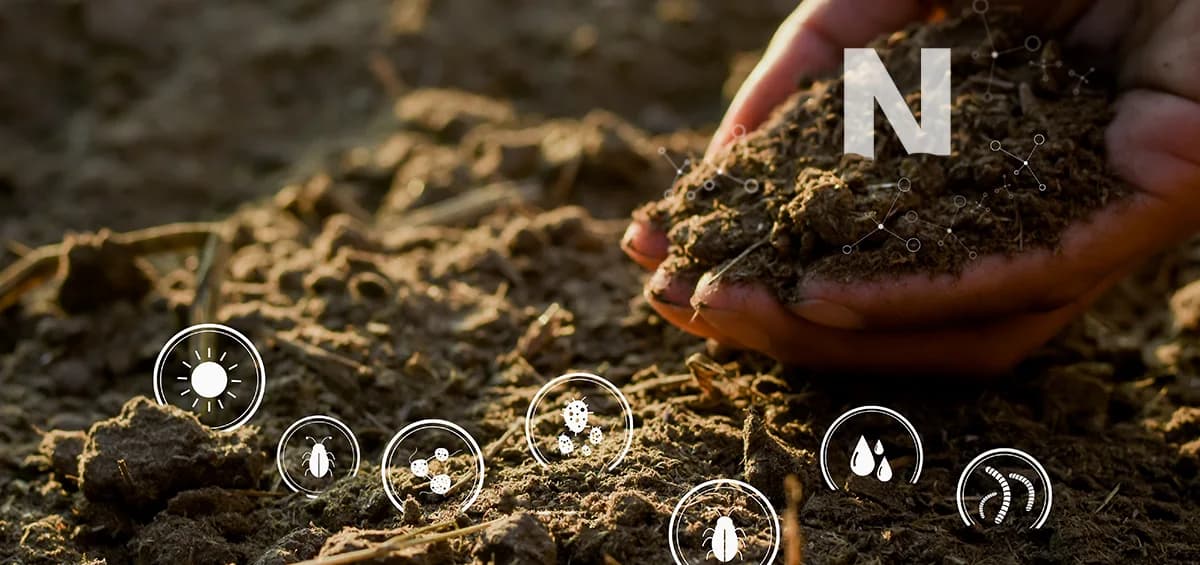
Farmer, do you know why some plants have healthy green leaves, grow strongly and produce good yields, while others become stunted and their leaves turn yellow?
One of the factors we need to consider is plant nutrition, and one of the most important nutrients is Nitrogen (N).
At CHETU AGROSOLUTION, we advise you not to think of nitrogen simply as “fertilizer for making plants grow bigger.” Nitrogen is an essential nutrient involved in plant growth and the development of leaves and other plant tissues. However, the amount required, timing and application method depend on the crop, soil condition, crop growth stage, water availability and production objectives.
Therefore, our advice to you as a farmer is simple:
DO NOT USE NITROGEN BY GUESSWORK — USE IT WITH A PLAN.
1. WHAT IS NITROGEN?
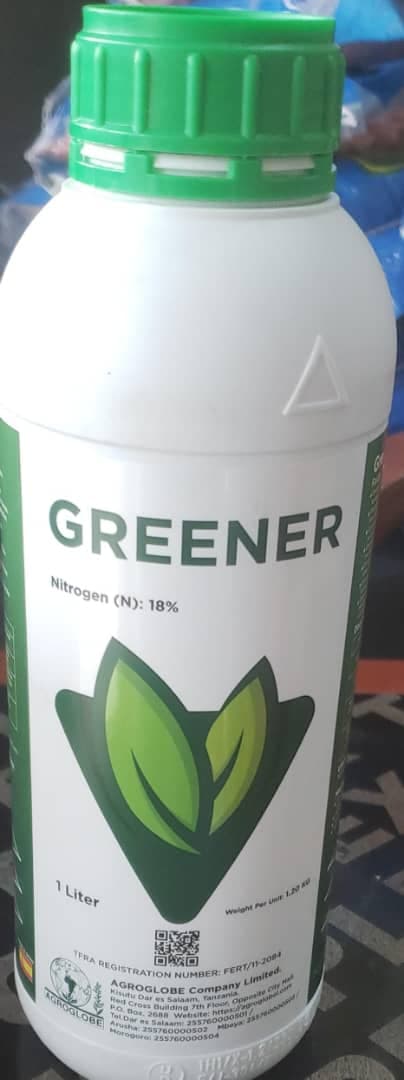
Nitrogen, represented by the chemical symbol N, is one of the essential nutrients required by plants.
Plants use nitrogen in important growth processes, so its availability is closely associated with the development of leaves, stems and new plant tissues.
When we talk about good plant nutrition, we do not mean nitrogen alone. Plants also require other nutrients such as:
Phosphorus (P)
Potassium (K)
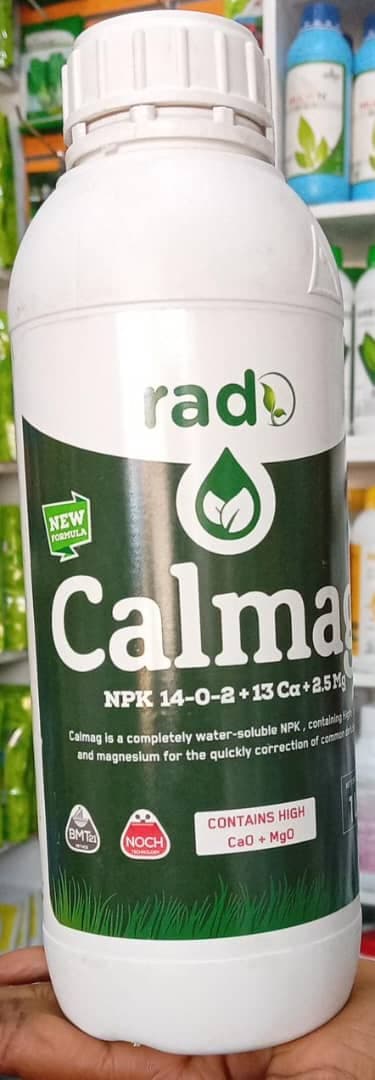
Calcium (Ca)
Magnesium (Mg)
Sulfur (S)
Micronutrients
That is why we advise you not to focus on nitrogen alone.
A plant may have enough nitrogen and still suffer from a deficiency of another important nutrient.
Good nutrition means balanced nutrition.
2. WHY IS NITROGEN IMPORTANT IN FARMING?
Farmer, nitrogen plays an important role in plant growth.
When nitrogen is available at an appropriate level, it helps plants:
🌱 DEVELOP LEAVES AND STEMS
Nitrogen is important for the development of the green parts of plants.
This is why nitrogen deficiency is often reflected in changes in plant growth and leaf color.
🌱 SUPPORT HEALTHY PLANT DEVELOPMENT
During the vegetative growth stage, plants require sufficient nutrition to develop healthy leaves and stems.
🌱 SUPPORT PHOTOSYNTHESIS
Healthy leaves play an important role in producing food for the plant through photosynthesis.
Therefore, we want to ensure that the plant receives appropriate nutrition rather than waiting until deficiency symptoms become severe.
🌱 SUPPORT PRODUCTION
When nitrogen is part of a well-balanced nutrition program, it can help the plant achieve the growth required for production.
But there is an important point to remember:
More nitrogen does not automatically mean higher yields.
Excessive nitrogen can increase production costs and may contribute to nutrient losses and other production problems.
Therefore, do not apply nitrogen simply to produce more leaves. We want growth that supports the actual production goal of the crop.
3. WHERE DOES NITROGEN COME FROM?
Farmer, the nitrogen available in your field can come from several sources.
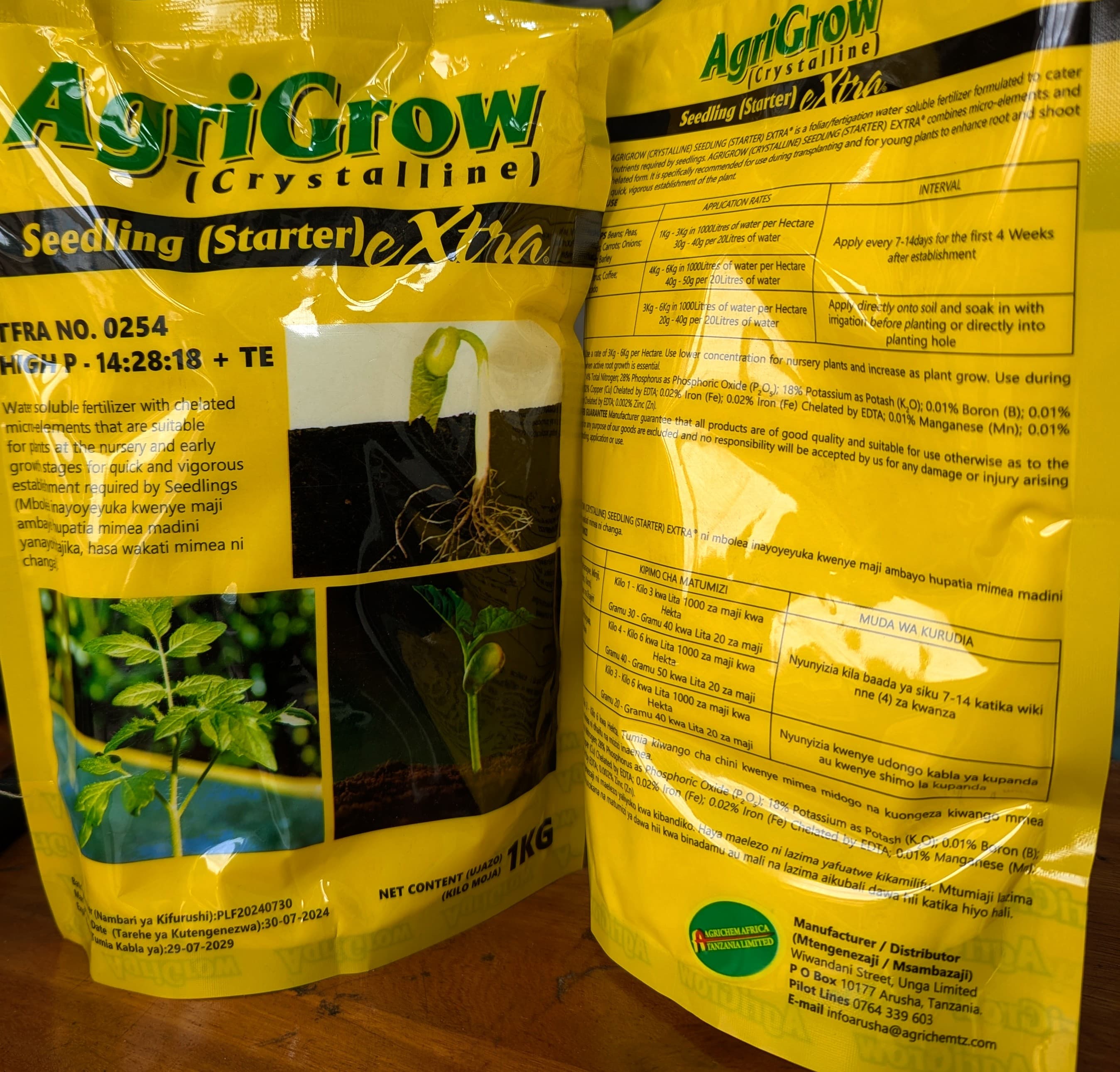
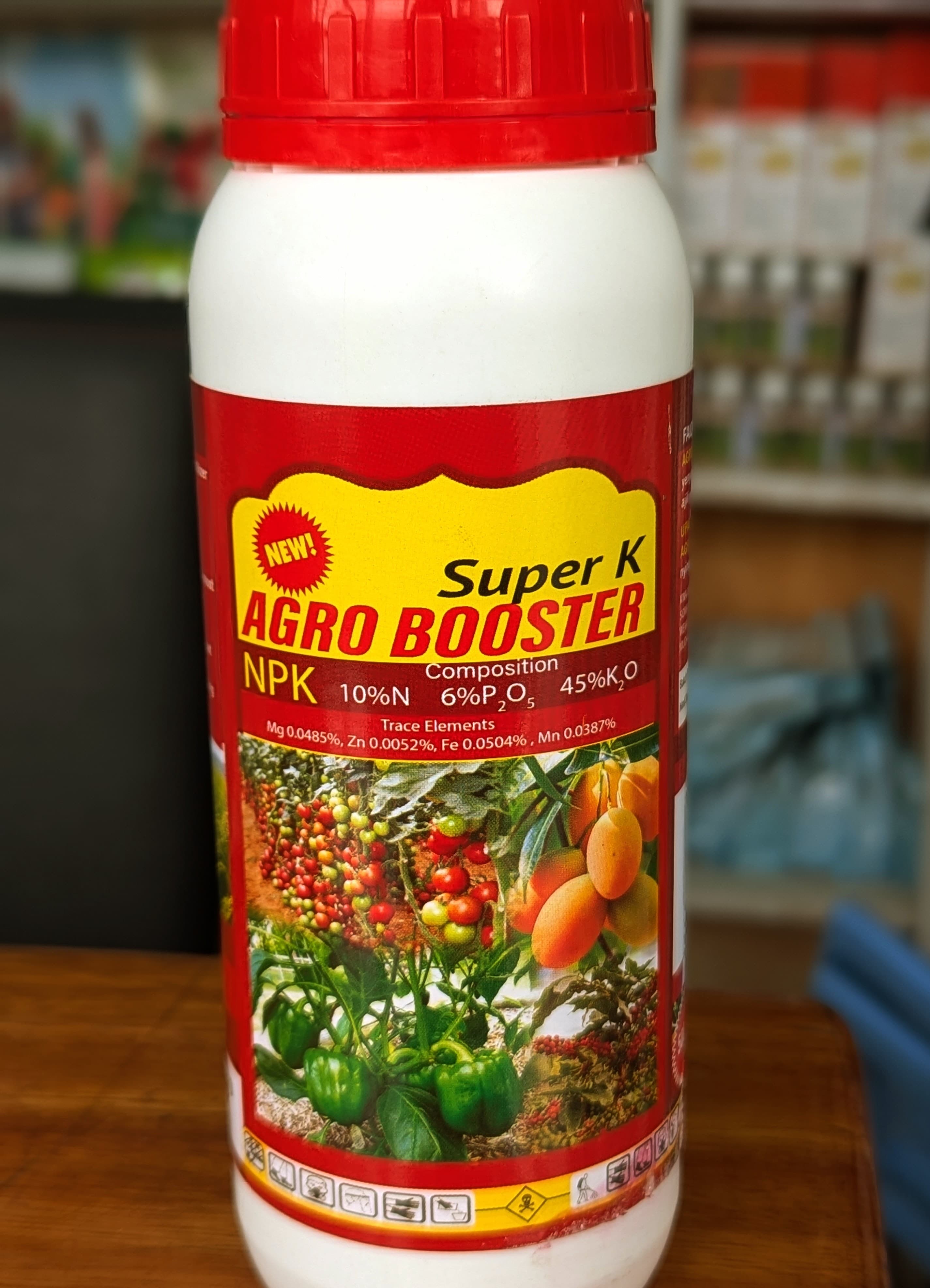
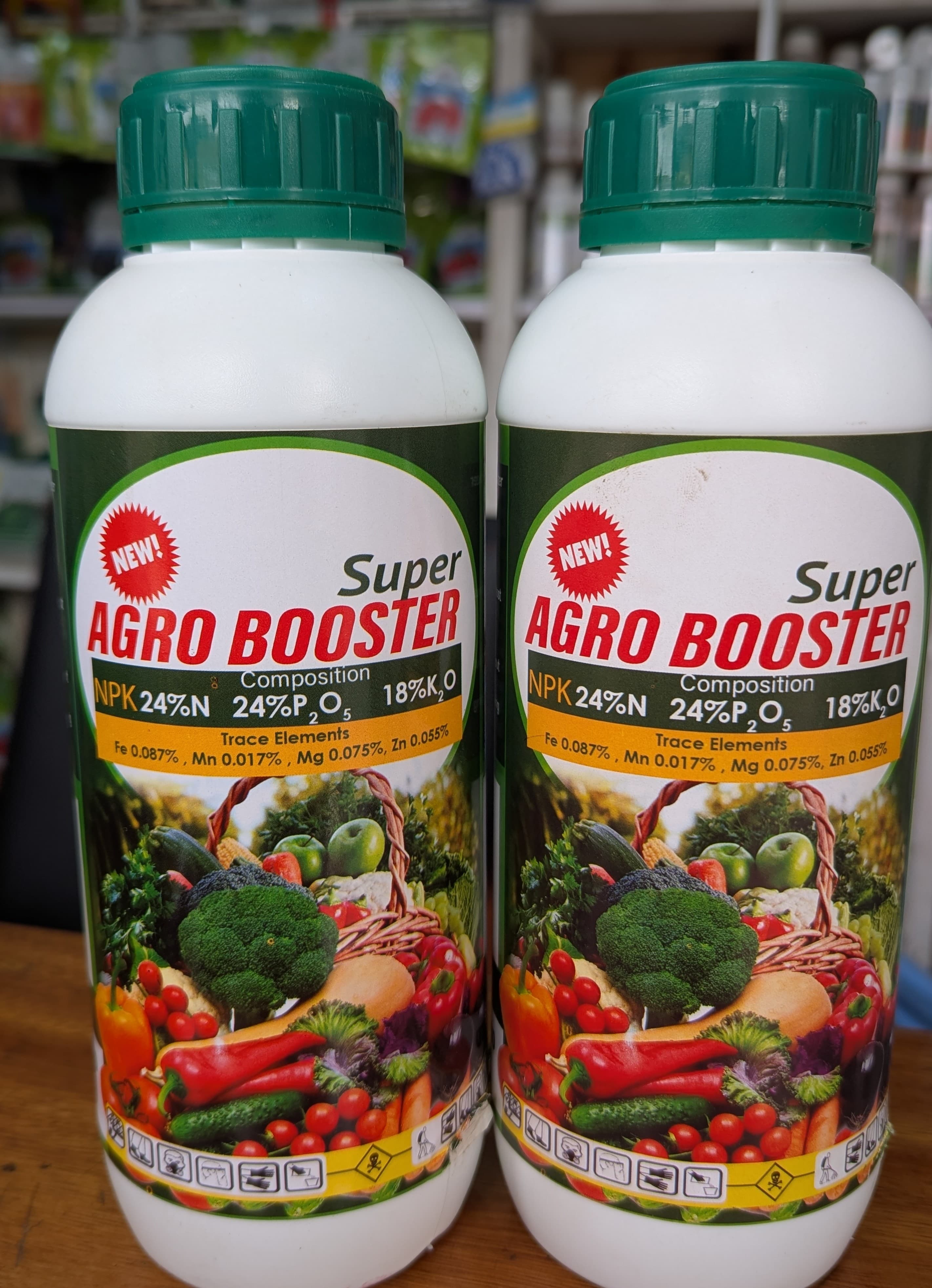
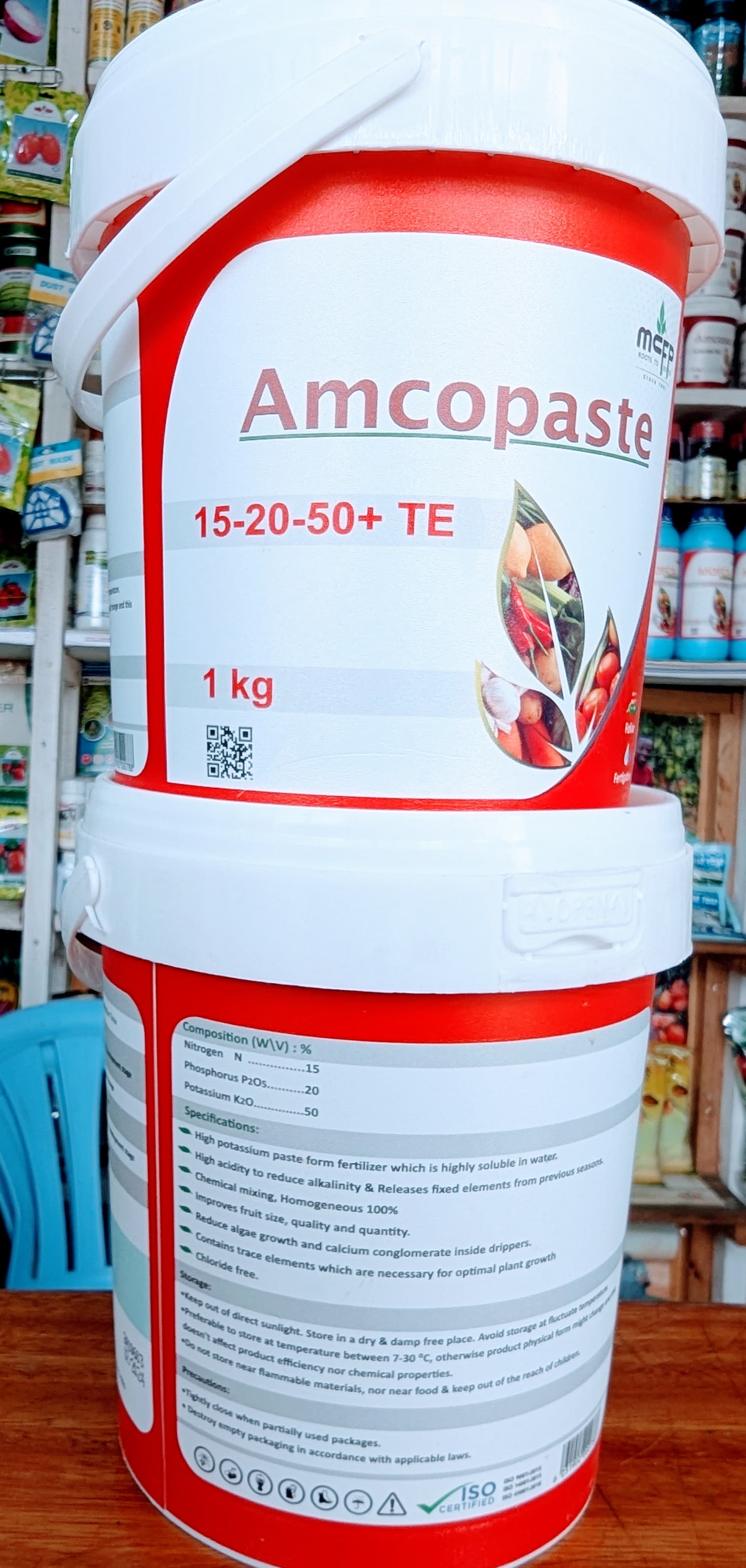
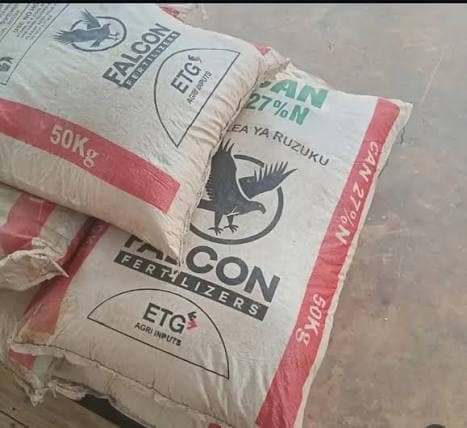
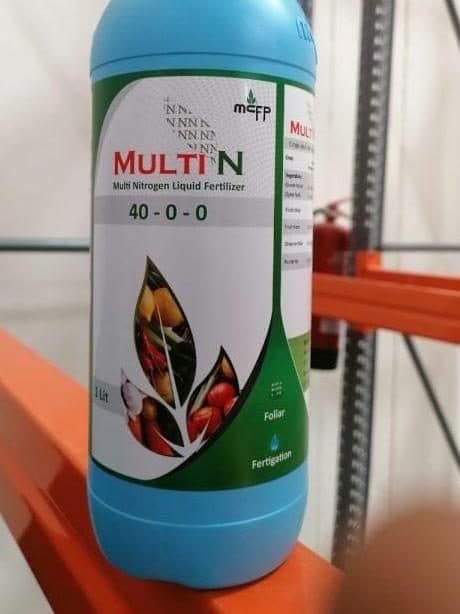
1. MINERAL FERTILIZERS
Examples of fertilizers that can provide nitrogen include:
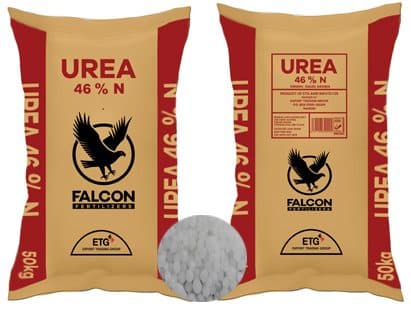
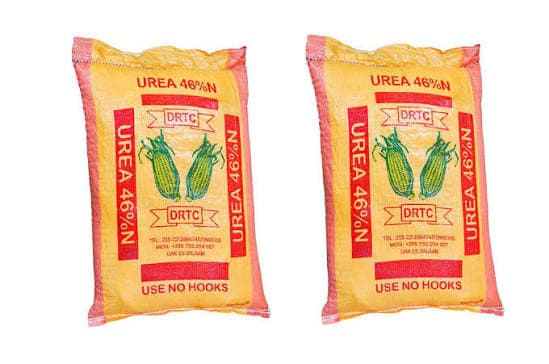
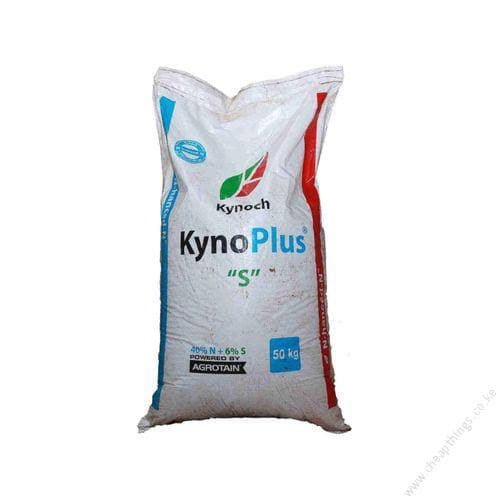
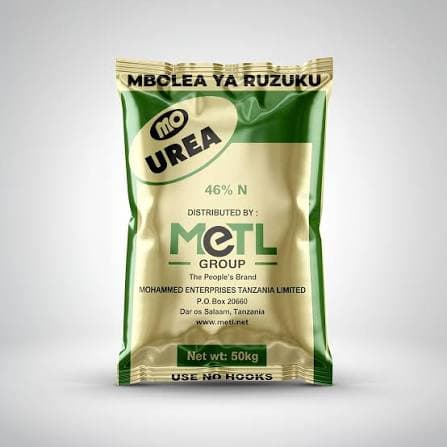
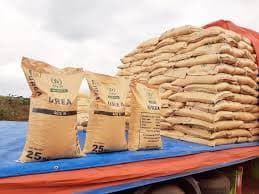
UREA
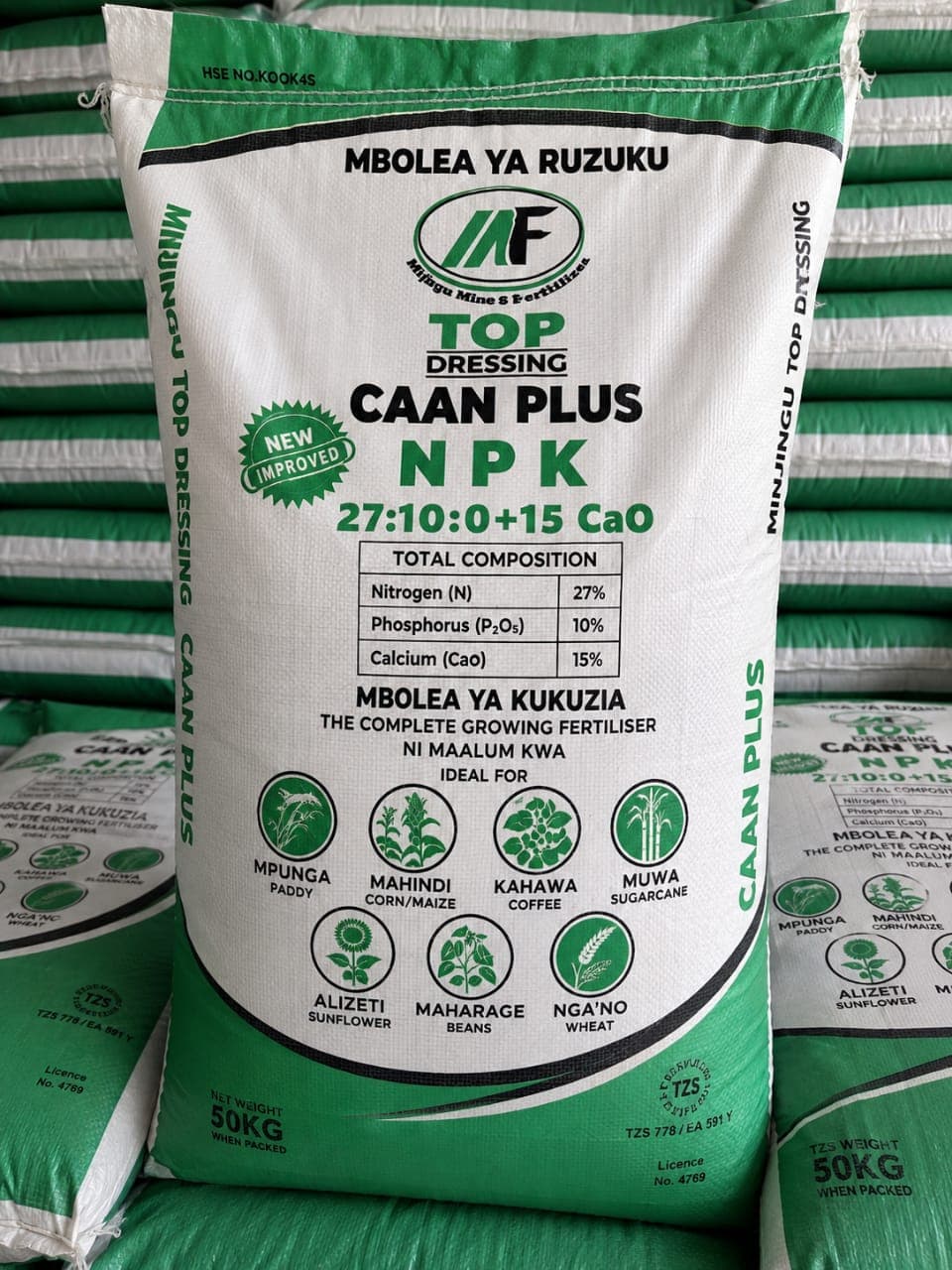
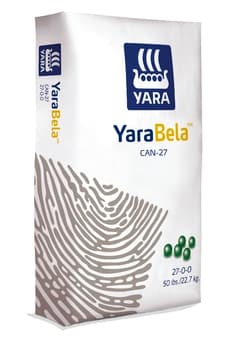
CAN
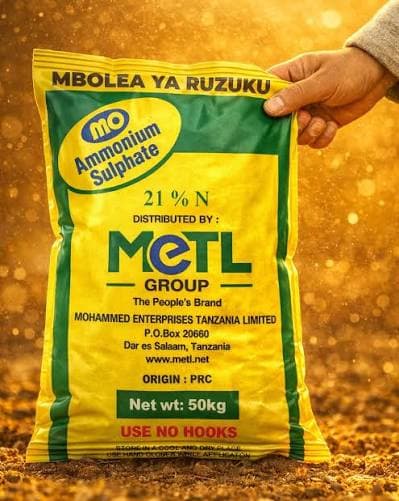
SA
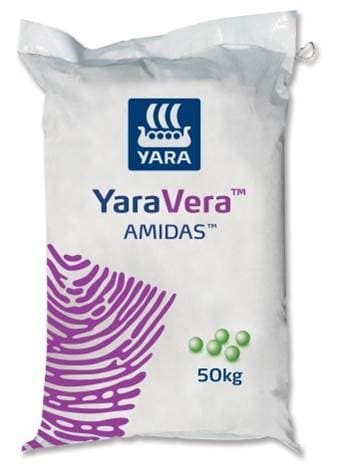
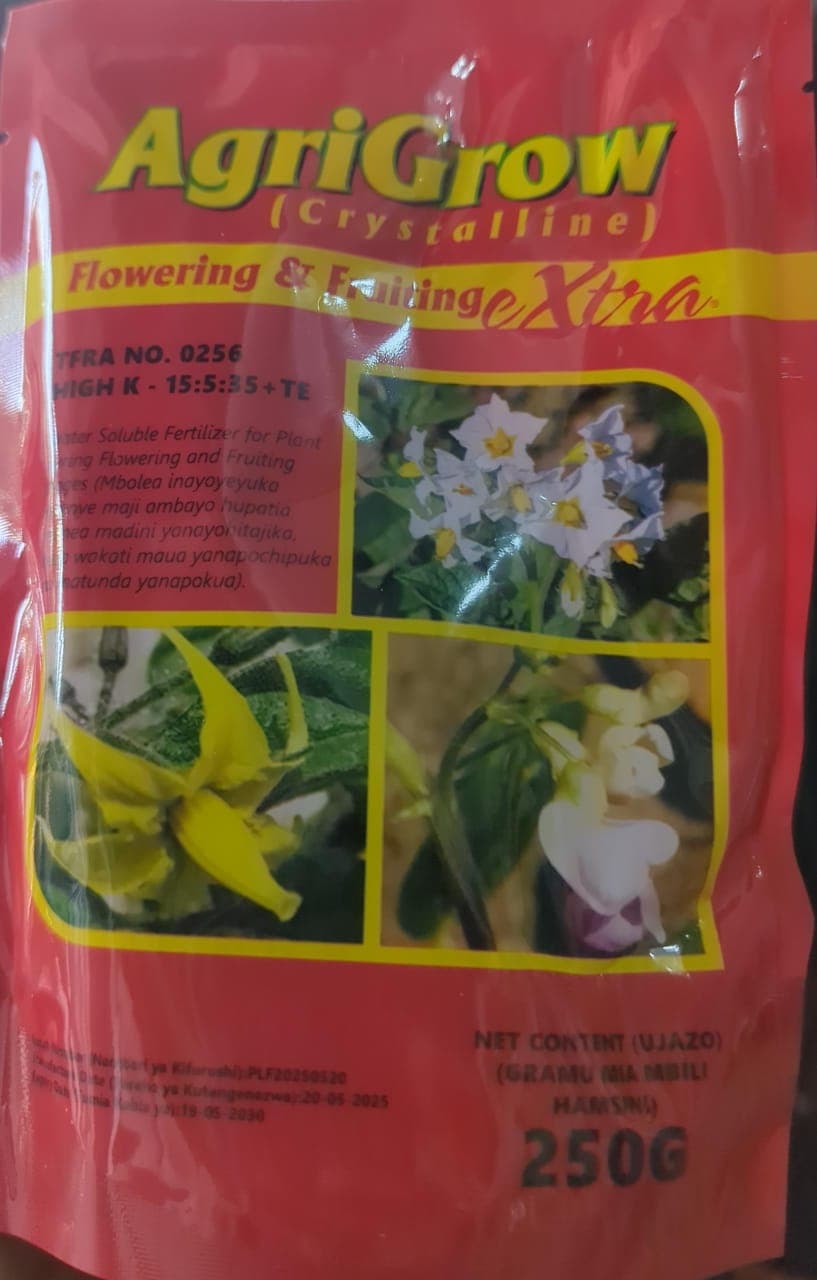
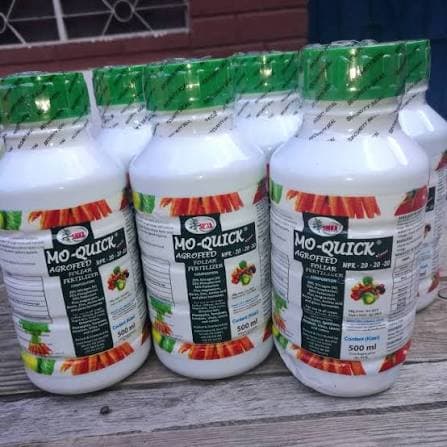
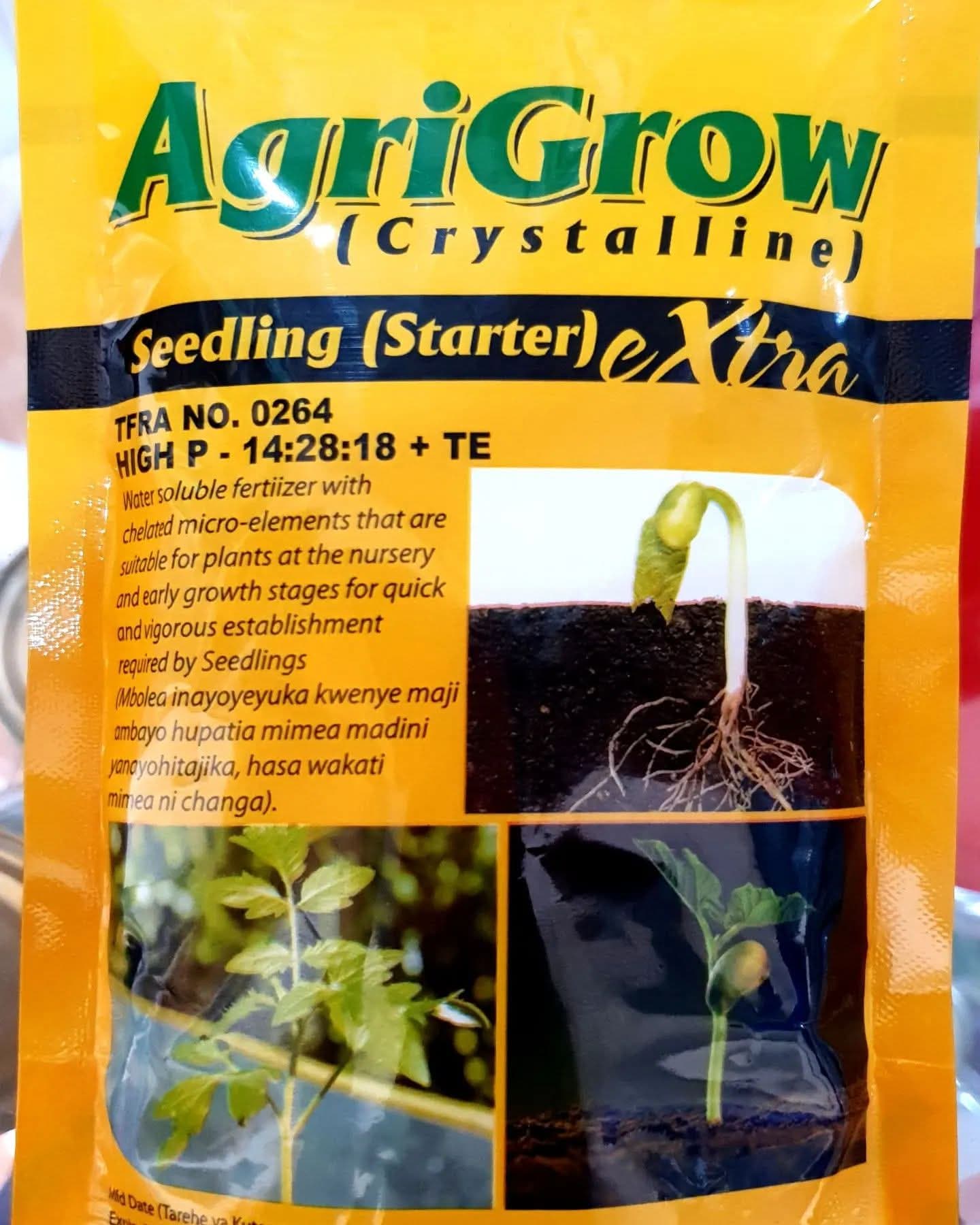
NPK fertilizers containing nitrogen
However, each fertilizer has its own nutrient composition.
Therefore, do not look only at the fertilizer name; check the nutrients it contains and compare them with the needs of your crop.
2. MANURE AND COMPOST
Well-decomposed manure and compost can contribute nutrients and improve the organic matter content of the soil.
However, the amount of nitrogen available to plants can vary depending on the source and condition of the organic material.
3. CROP RESIDUES
Crop residues can contribute to nutrient cycling as they decompose and are properly managed.
4. NITROGEN FROM FARMING SYSTEMS
Some legume crops can work together with specific bacteria to fix atmospheric nitrogen and contribute to nitrogen cycling within the farming system.
We encourage an Integrated Plant Nutrient Management approach that combines mineral fertilizers, organic matter, crop residues, crop rotation and other practices that improve soil fertility.
4. HOW CAN YOU KNOW IF YOUR PLANTS ARE DEFICIENT IN NITROGEN?
We advise you not to start by buying urea or another nitrogen fertilizer simply because your plants do not look healthy.
First, observe the symptoms and investigate the cause.
Possible symptoms of nitrogen deficiency may include:
Pale green leaves.
Older leaves becoming yellow.
Weak plant growth.
Stunted plants.
Fewer or smaller leaves than expected.
Poor development of the plant canopy.
But we strongly emphasize:
DO NOT USE LEAF COLOR ALONE TO MAKE A FINAL DIAGNOSIS.
Yellow leaves can also be caused by:
Deficiency of other nutrients.
Excess water.
Drought.
Root problems.
Diseases.
Pests.
Unsuitable soil pH.
Environmental stress.
That is why we advise you to inspect the field and, where possible, conduct a soil test before making major fertilizer decisions.
5. TOO MUCH NITROGEN CAN ALSO BE A PROBLEM
Farmer, here is something many farmers overlook:
Too much nitrogen can be a problem just as too little nitrogen can be.
Do not assume:
“If I apply more urea, the plant will grow more and I will get higher yields.”
That is not necessarily true.
Excess nitrogen can:
Increase production costs.
Cause excessive vegetative growth.
Affect the timing or balance of reproductive growth in some crops.
Increase the risk of nitrogen losses.
Contribute to water pollution when nutrients are lost through leaching or runoff.
Affect the balance of other nutrients.
Therefore, do not apply excessive nitrogen simply because you want to see more leaves. We want healthy, balanced growth that supports the crop's production goal.
6. WHEN SHOULD NITROGEN BE APPLIED?
Farmer, the timing of nitrogen application is just as important as the amount you apply.
Nitrogen requirements change as the crop develops.
That is why we advise you to plan nitrogen application according to important crop growth stages rather than applying everything at once without considering plant demand.
For many crops, we can think about nutrition in stages:
EARLY GROWTH STAGE
The plant needs to establish roots and begin developing leaves.
We want nitrogen to be available at an appropriate level, but we also need phosphorus, potassium and other nutrients according to crop requirements.
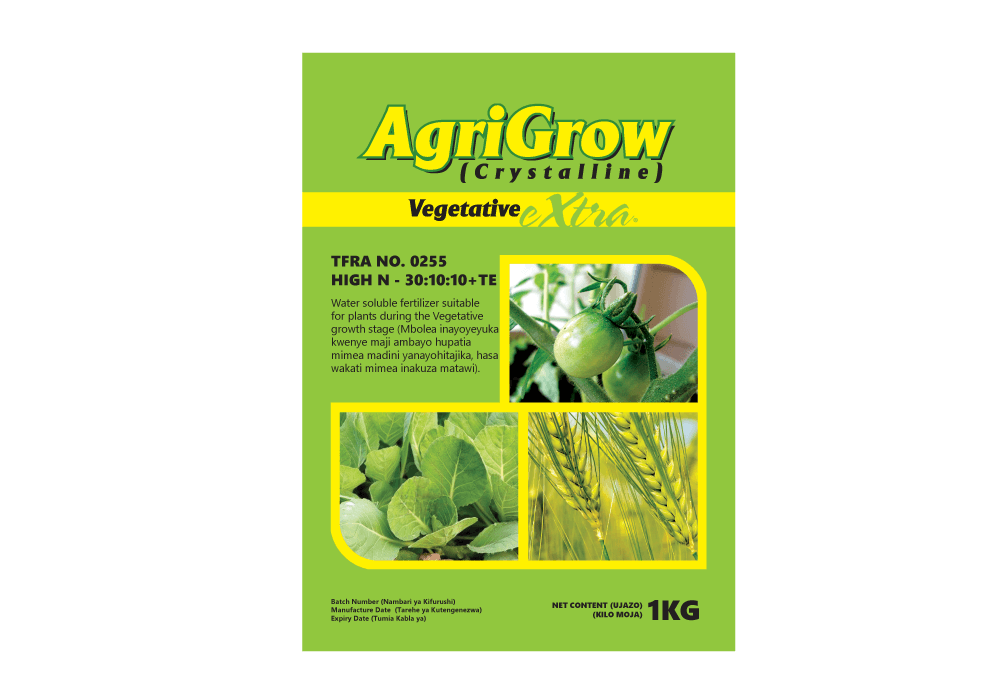
VEGETATIVE GROWTH STAGE
Nitrogen may be particularly important for developing the plant canopy and vegetative growth.
At this stage, we advise you to monitor the crop and follow a nutrition program appropriate for the crop.
PRODUCTION STAGE
Farmer, this is where careful management becomes very important.
Do not continue applying nitrogen simply out of habit without considering the crop's growth stage.
For crops grown for fruits, roots, bulbs, grains or seeds, the nutrition program should support the part of the plant you intend to harvest.
We do not want excessive leaves alone; we want quality production that meets the market objective.
7. WHY IS SPLIT APPLICATION OF NITROGEN IMPORTANT?
Instead of applying all nitrogen at once, we can divide applications into different periods for crops and production systems where this approach is appropriate.
This can help match nitrogen availability with crop demand and reduce the potential for nutrient losses.
Farmer, this does not mean every crop should follow the same schedule.
The application schedule depends on:
Crop.
Variety.
Plant age.
Soil type.
Rainfall.
Irrigation.
Type of fertilizer used.
Yield target.
8. DO NOT APPLY NITROGEN TO DRY SOIL AND EXPECT THE BEST RESULTS
Farmer, soil moisture is important in fertilizer management.
We advise you to consider soil conditions when applying fertilizer and to manage irrigation or rainfall appropriately.
Our advice is simple:
Do not apply fertilizer without considering field conditions.
If you have an irrigation system, manage water properly.
If you depend on rainfall, consider the season and the timing of fertilizer application.
9. DO NOT PLACE NITROGEN FERTILIZER DIRECTLY ON SEEDS
Farmer, we strongly emphasize this precaution, especially during planting.
Depending on the fertilizer type and application method, nitrogen fertilizer can damage seeds or young plants if it is placed directly on or too close to the seed.
At CHETU AGROSOLUTION, we advise you to separate seed from fertilizer where necessary and follow the product label and professional recommendations.
Do not assume that placing large amounts of fertilizer close to the seed will make the crop establish faster.
In some situations, it can damage the seed or young seedlings and reduce germination or establishment.
10. NITROGEN AND WEEDS
Farmer, when you apply nitrogen to your field, do not forget about weeds.
Weeds also require nutrients.
Therefore, nitrogen applied to the field can also benefit weeds if they are not properly controlled.
That is why we advise you:
FEED YOUR CROP, BUT CONTROL WEEDS ON TIME.
Timely weeding is part of good nutrient management.
11. NITROGEN, WATER AND ROOTS ARE CONNECTED
Farmer, do not look at nitrogen in isolation.
Plants need:
Water + Healthy Roots + Nutrients + Light + Air + Suitable Soil.
You can provide nitrogen, but if the roots are damaged by excessive water or disease, the plant may not be able to use nutrients effectively.
Therefore, if a plant is not growing properly, do not immediately conclude:
“The plant lacks nitrogen.”
Also ask:
Are the roots healthy?
Is there excessive moisture in the soil?
Is the crop suffering from drought?
Are there diseases?
Are there pests?
Is the soil pH appropriate?
Is another nutrient deficient?
12. NITROGEN AND THE FARMER'S ECONOMICS
Farmer, nitrogen is not only an agronomic issue—it is also a production-cost issue.
Every bag or kilogram of fertilizer you buy represents a cost.
Therefore, we want every fertilizer application to have a clear purpose.
Do not buy fertilizer simply because you say:
“My neighbor applied it, so I should apply it too.”
Fields can be very different.
We want you to achieve good yields, but we also want you to avoid spending money on unnecessary fertilizer applications.
13. NITROGEN AND FARM PROFITABILITY
Farmer, the benefit of nitrogen should not be measured simply by looking at how green the plants are.
We want nitrogen to contribute to:
Appropriate crop growth.
Targeted production.
Good crop quality.
Efficient fertilizer use.
Improved farm business performance.
Before buying nitrogen fertilizer, ask yourself:
What crop am I applying it to?
What growth stage is the crop in?
What is the condition of the soil?
How much does the crop need?
When should I apply it?
How should I apply it?
These are the questions we want you to answer before deciding on fertilizer.
14. DO NOT USE NITROGEN AS THE SOLUTION TO EVERY CROP PROBLEM
Farmer, this is very important.
If you see:
Yellow leaves.
Stunted plants.
Weak growth.
Changes in leaf color.
Do not immediately reach for urea.
The problem may be nitrogen deficiency, but it may also be something else.
We may need to examine:
Soil.
Roots.
Water.
Pests.
Diseases.
Soil pH.
Other nutrients.
At CHETU AGROSOLUTION, we advise you to identify the actual problem before buying inputs simply by guesswork.
15. NITROGEN REQUIRES A COMPLETE NUTRITION PLAN
Farmer, plants do not survive on nitrogen alone.
We want to consider the entire nutrition program.
NITROGEN (N)
Supports the growth and development of green plant tissues.
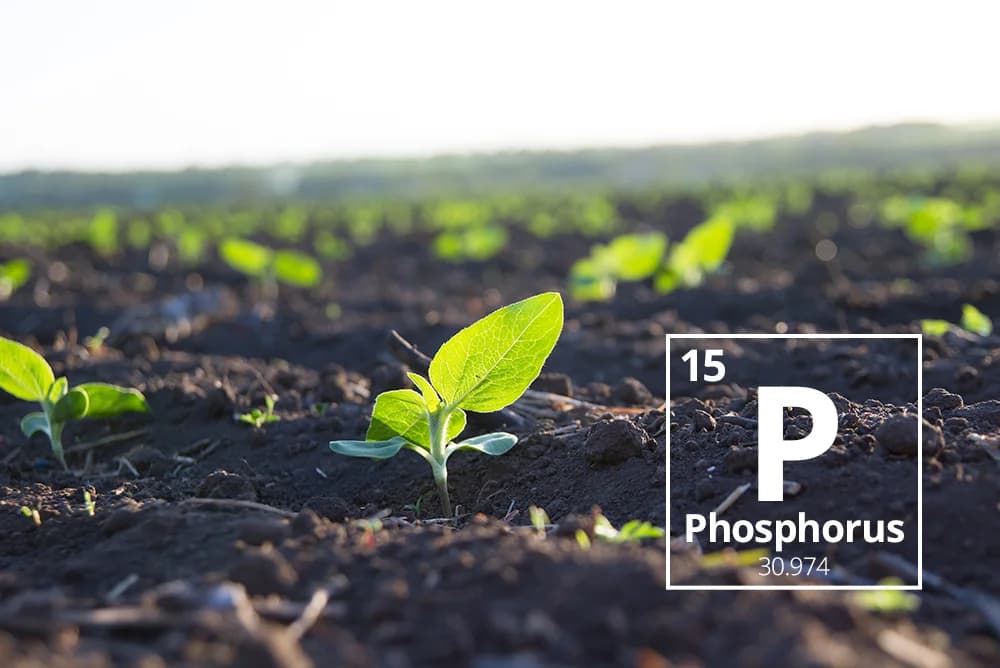
PHOSPHORUS (P)
Plays important roles in several plant processes, including root establishment and reproductive development.
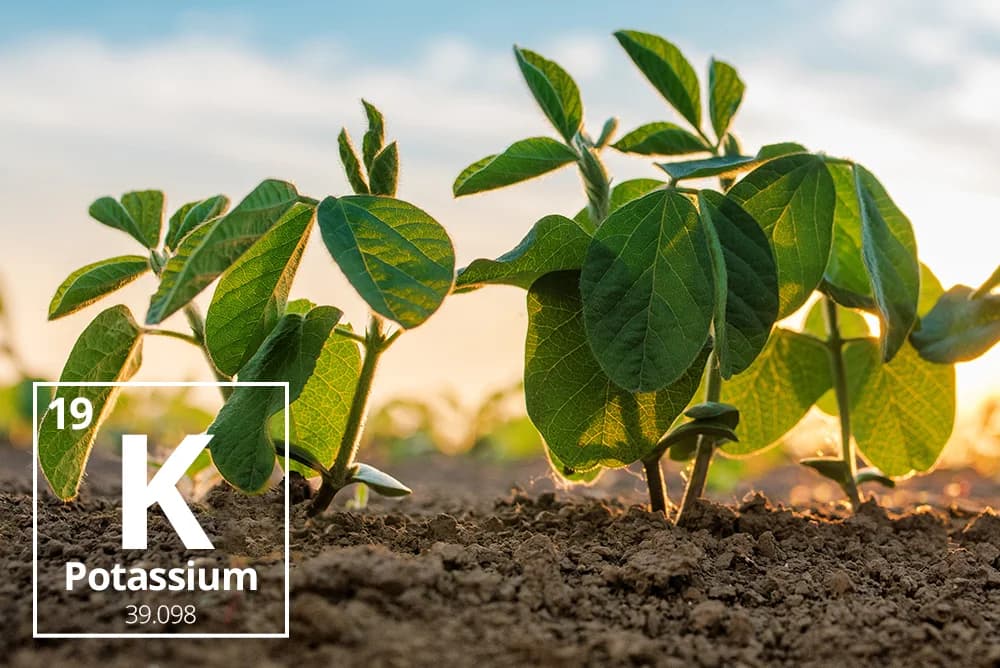
POTASSIUM (K)
Plays important roles in plant regulation, crop quality and plant strength.
CALCIUM, MAGNESIUM, SULFUR AND MICRONUTRIENTS
These nutrients also play important roles in plant health and performance.
Therefore:
Do not buy nitrogen simply because someone told you, “The plant needs fertilizer.”
First determine what the crop needs and how much it needs.
16. NITROGEN AND SOIL TESTING
Farmer, whenever possible, we strongly advise you to conduct a soil test.
Soil testing can provide useful information about soil conditions and help you develop a more appropriate nutrient-management plan.
Therefore, instead of asking only:
“How many bags of urea should I apply?”
We want to begin with:
“What is the condition of your soil, what nutrients are available, what is deficient, and what does your crop require?”
That is where a meaningful fertilizer program begins.
17. NITROGEN MISTAKES WE ADVISE YOU TO AVOID
❌ Applying urea without knowing whether nitrogen is actually required.
❌ Using the same fertilizer rate on every field.
❌ Placing fertilizer directly on seeds.
❌ Applying fertilizer to dry soil without an appropriate management plan.
❌ Applying all nitrogen at once without considering crop demand.
❌ Adding nitrogen every time the plant has an undesirable color without investigating the cause.
❌ Forgetting about phosphorus, potassium and other nutrients.
❌ Ignoring weeds.
❌ Ignoring root health.
❌ Managing irrigation poorly after fertilizer application.
❌ Applying excessive amounts because you assume “more fertilizer means higher yields.”
❌ Failing to follow product-label instructions.
❌ Failing to keep records of fertilizer applications and field results.
18. HOW CAN CHETU AGROSOLUTION HELP YOU WITH NITROGEN MANAGEMENT?
Farmer, you do not have to remain alone with the question, “Which fertilizer should I use?”
At CHETU AGROSOLUTION, we advise you on:
🌱 Seed selection according to crop, location and season.
🧪 Fertilizer selection according to crop requirements.
📋 Fertilizer application planning according to crop growth stage and field conditions.
🔬 Identifying nutrient-related problems by assessing symptoms and field information.
🐛 Identifying pests and diseases so that you do not use inputs that do not address the actual problem.
🌾 Overall crop management, because nutrition cannot be separated from water management, root health, weed control and general crop health.
We provide agronomic advice to help farmers choose suitable seeds, fertilizers and crop-protection products, as well as plan fertilizer use according to crop and growth stage.
We also provide farm-monitoring services where needed, allowing our specialists to assess crop conditions and provide step-by-step recommendations.
19. FARMER, WHEN YOU CONTACT US ABOUT NITROGEN, BRING US THIS INFORMATION
When you need help with nitrogen or crop nutrition, we advise you to tell us:
What crop are you growing?
What is the size of your field?
Where is your farm located?
When did you plant?
What irrigation system are you using?
Which fertilizers have you already used?
How much did you apply?
How old is the crop?
When did the problem begin?
Which leaves are showing symptoms?
Are there pests?
Are there signs of disease?
Do you have soil-test results?
This information helps us provide more useful advice instead of making recommendations based on guesswork.
20. REMEMBER: NITROGEN IS NOT A MEDICINE FOR PLANTS
Farmer, we want you to change this way of thinking:
Nitrogen is not a medicine for plants.
It is a plant nutrient.
If your plant has a disease, nitrogen will not cure the disease.
If your crop has a water-management problem, adding nitrogen will not fix a poor irrigation system.
If the roots have rotted, adding urea will not restore damaged roots.
If the problem is potassium deficiency, applying nitrogen alone will not correct the nutrient imbalance.
Identify the problem first. Choose the solution afterward.
CONCLUSION: USE NITROGEN WITH KNOWLEDGE, NOT BY HABIT
Farmer, nitrogen is an essential nutrient in crop production, but its greatest benefit does not come from applying large quantities.
The benefit comes from applying the right amount, to the right crop, at the right time, in the right way, while considering soil and crop conditions.
We want you to remember these principles:
TEST YOUR SOIL.
UNDERSTAND YOUR CROP'S REQUIREMENTS.
CHOOSE THE RIGHT FERTILIZER.
APPLY IT AT THE RIGHT TIME.
DO NOT OVERUSE NITROGEN.
MANAGE WATER AND WEEDS.
MONITOR YOUR CROP REGULARLY.
SEEK PROFESSIONAL ADVICE WHEN YOU ARE UNSURE.
At CHETU AGROSOLUTION, we believe farmers should not buy agricultural inputs by guesswork. We want to help you make decisions based on your field conditions, crop requirements and production goals.
🌱 DO YOU NEED FERTILIZER, SEED OR AGRONOMIC ADVICE?
Farmer, if you need:
✅ Quality fertilizers.
✅ Seed suitable for your crop and location.
✅ Advice on nitrogen and other nutrients.
✅ Assistance in identifying nutrient-related problems.
✅ Help with pest and disease management.
✅ Farm monitoring and agronomic guidance.
Visit CHETU AGROSOLUTION or contact us.
We are ready to help you select agricultural inputs and plan their use with the right technical understanding.
CHETU AGROSOLUTION
QUALITY INPUTS • BETTER HARVESTS • BETTER LIVES
Farmer, do not use nitrogen by guesswork — use it with a plan.