WEEDS IN THE FARM: A CHALLENGE FOR FARMERS AND EFFECTIVE WEED CONTROL METHODS
20 September 2026
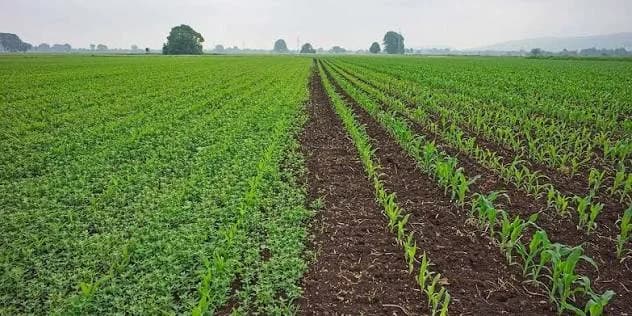
WEEDS IN THE FARM: A CHALLENGE FOR FARMERS AND EFFECTIVE WEED CONTROL METHODS
Weeds are among the major challenges that can affect crop production. When weeds grow together with crops, they compete with crops for water, nutrients, sunlight, and space, which can weaken crop growth and reduce productivity.
For farmers aiming to achieve better yields, weed management should be an important part of their overall farm management plan.
How Do Weeds Affect Crops?
Weeds can affect crops in several ways. First, they consume water from the soil that crops need for growth. This can be an even greater challenge during dry periods or when rainfall is limited.
Second, weeds take up nutrients from the soil, including nitrogen, phosphorus, and potassium. Therefore, even when a farmer applies fertilizer, some of the nutrients may be used by weeds instead of the crop.
Third, tall weeds can shade crops and reduce the amount of sunlight reaching their leaves. Since sunlight is essential for photosynthesis, this competition can affect plant growth.
In addition, some weeds can provide shelter or serve as hosts for pests and pathogens that may contribute to crop problems.
Start Weed Control Early
One of the most important steps for farmers is not allowing weeds to grow and spread without control. Young weeds are generally easier to manage than mature weeds that have already produced seeds.
Farmers are encouraged to inspect their fields regularly so that they can identify weeds early and take appropriate action.
Methods of Weed Control
There are several methods of controlling weeds depending on the crop, type of weeds, and size of the farm.
1. Hand Weeding
For small farms, removing weeds by hand can help reduce competition between weeds and crops. Weeds with established roots should be removed carefully to reduce the possibility of regrowth.
2. Weeding with Farm Tools
Hoes and other agricultural tools can be used to remove weeds between crop rows. Farmers should work carefully to avoid damaging crop roots.
3. Mulching
The use of mulch can help cover the soil, reduce the amount of sunlight reaching weed seeds, and therefore suppress the emergence of some weeds. Mulching can also help conserve soil moisture.
4. Crop Rotation
Rotating crops between different seasons can contribute to weed management. Crop rotation can disrupt the life cycle of some weeds and reduce the likelihood of certain weed species becoming dominant in the field.
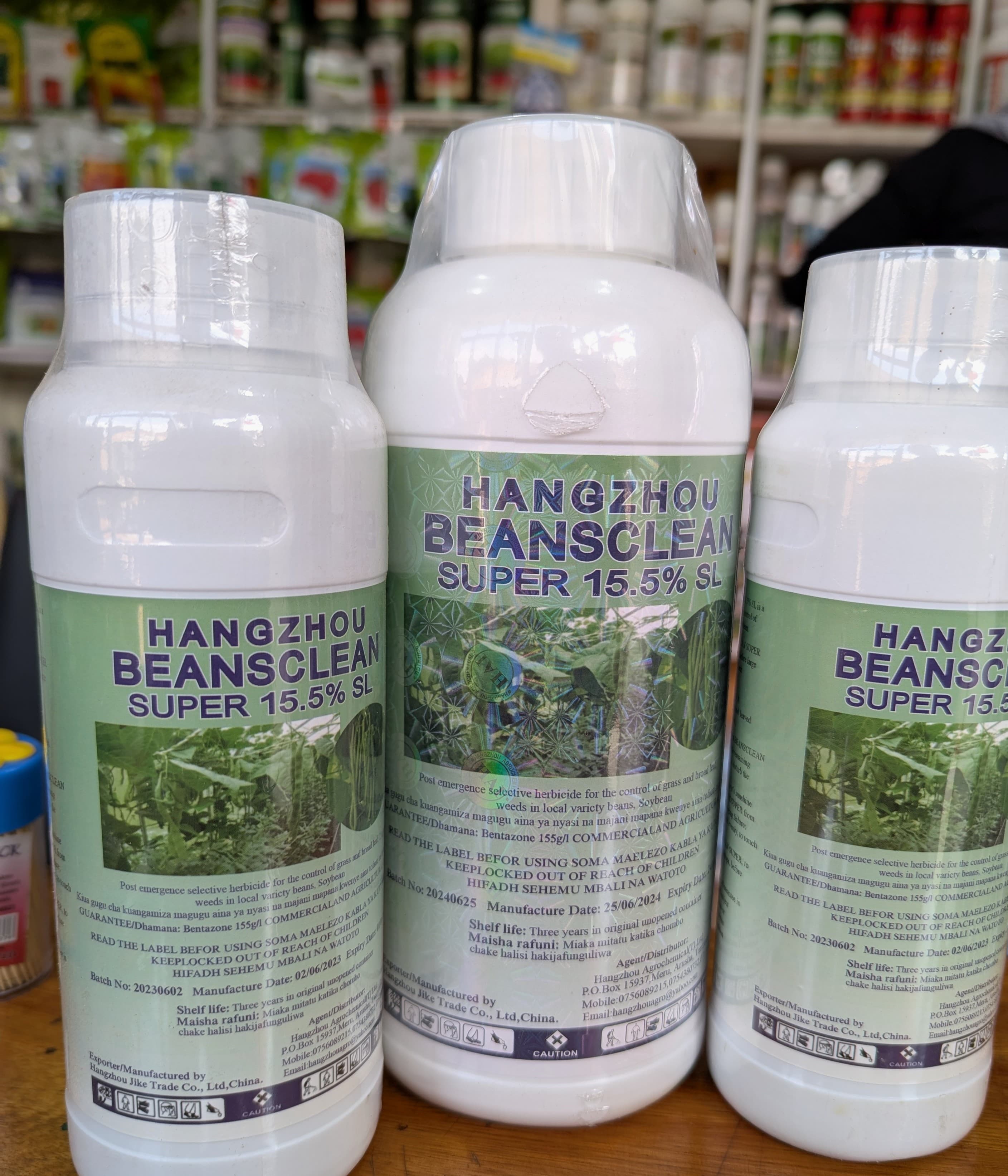
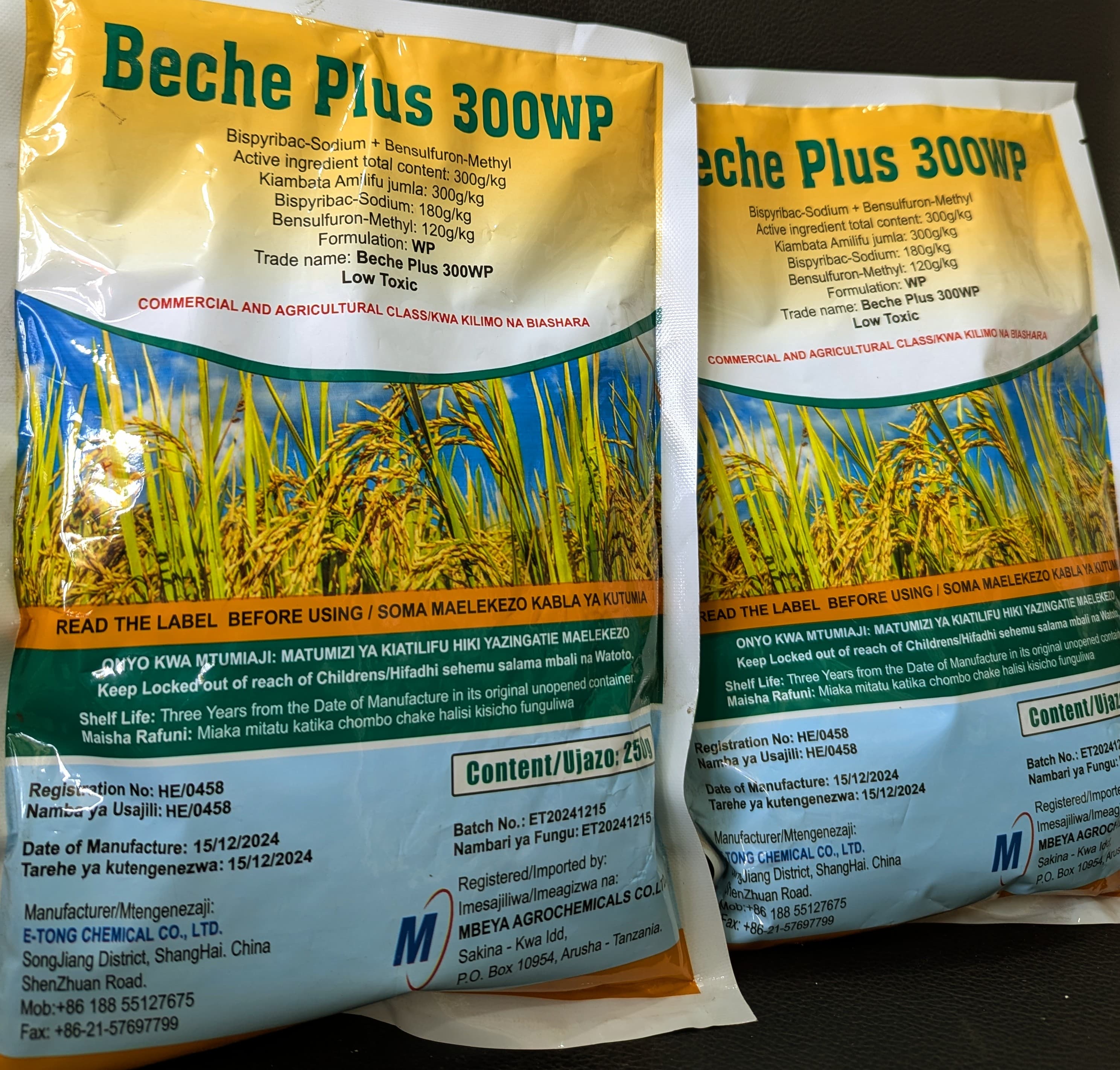
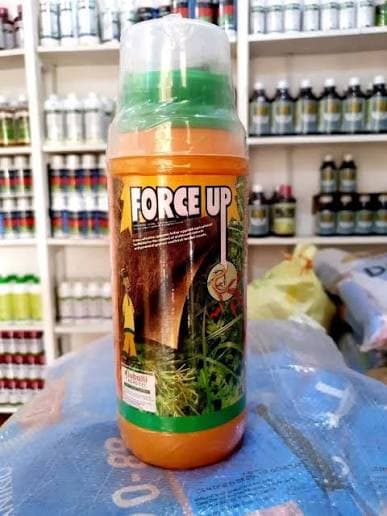
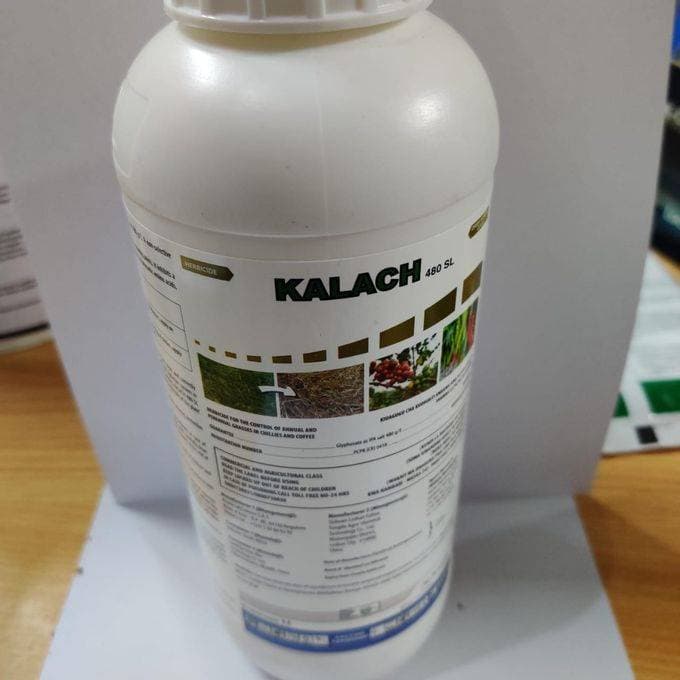
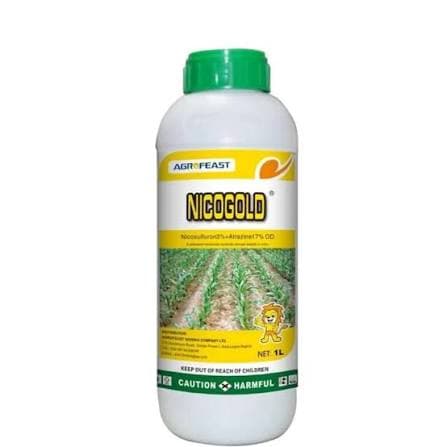
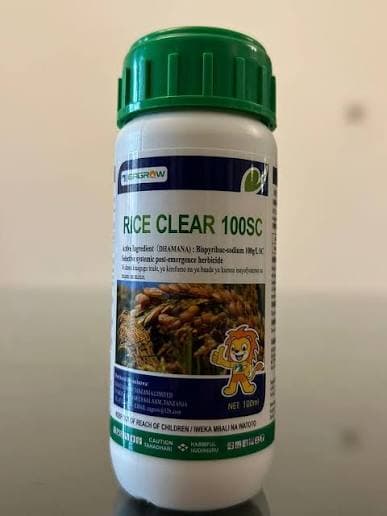
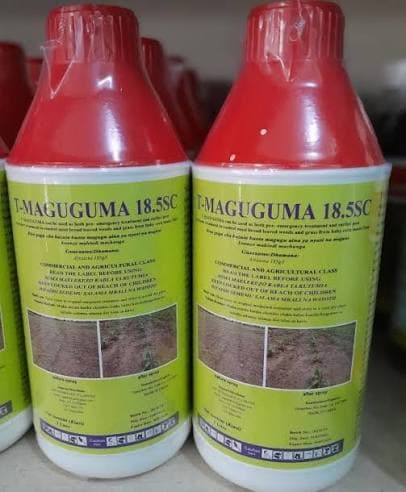
5. Proper Use of Herbicides
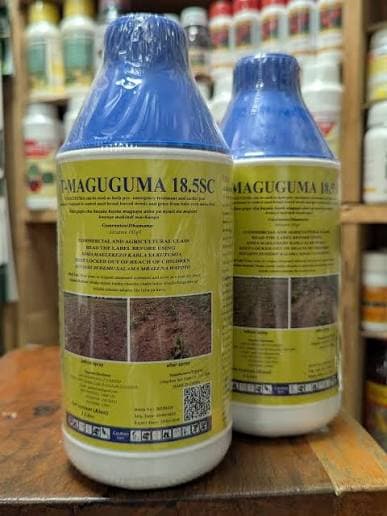
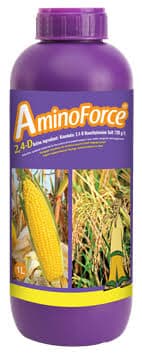
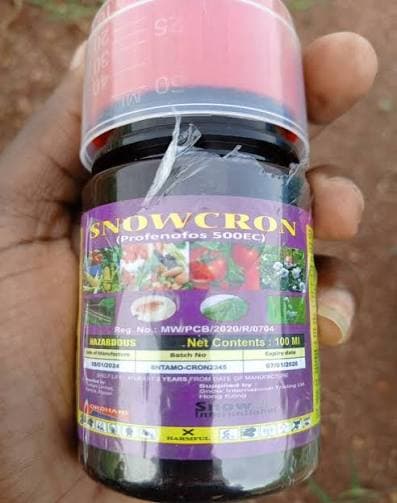
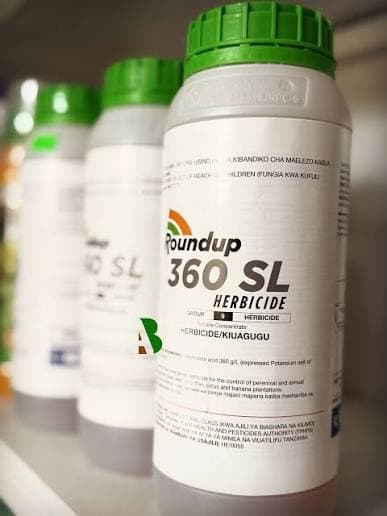
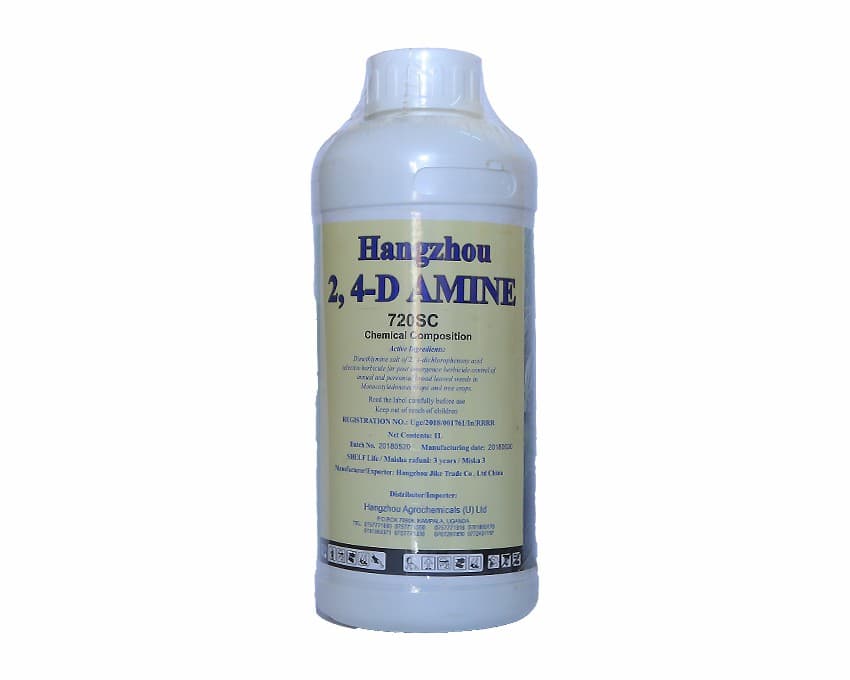
In some situations, herbicides can be part of a weed-control program. However, the choice of herbicide should take into account the type of crop and the weeds present.
Farmers should always follow the product label instructions, including the recommended application rate, timing, and safety precautions. Improper use can harm crops, the environment, and the health of the user.
Integrated Weed Management
Instead of relying on a single method, farmers can use a combination of different weed-control methods, such as hand weeding, crop rotation, mulching, and the proper use of herbicides when necessary.
This integrated approach can help control weeds, reduce unnecessary costs, and create better conditions for healthy crop growth.
What Should Farmers Do?
Farmers are advised to identify the types of weeds present in their fields before choosing a control method. Not every herbicide or control method is suitable for all types of weeds and crops.
The use of agricultural inputs should also take into account the crop type, growth stage, soil condition, and farm environment.
Contact CHETU AGROSOLUTION
Farmers who need agricultural advice, farm inputs, and more information about weed management and crop production are encouraged to contact CHETU AGROSOLUTION for guidance based on their specific farming needs.
CHETU AGROSOLUTION — your partner in agricultural knowledge and solutions for your farming needs.
Do not wait until weeds take over your farm. Take action early, seek the right advice, and manage your farm efficiently.