DISEASES THAT ATTACK CABBAGE IN THE FIELD: SYMPTOMS, CAUSES, PREVENTION AND MANAGEMENT
By CHETU AGROSOLUTION · 23 September 2026
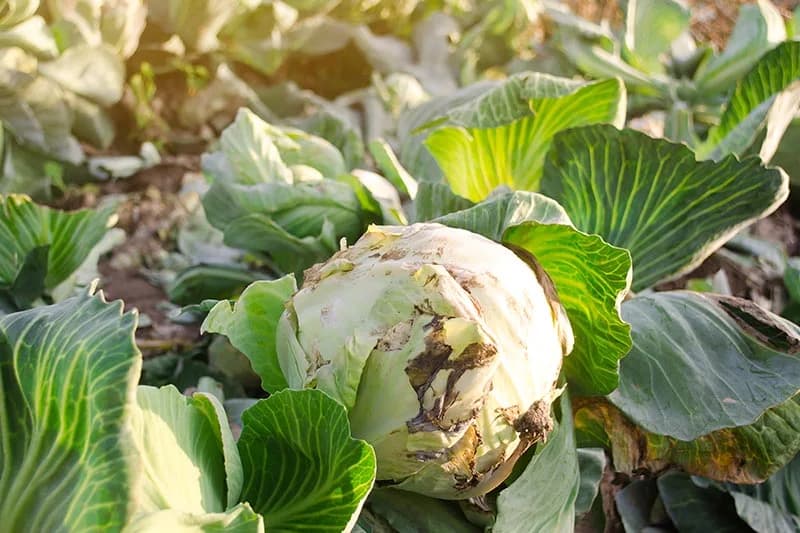
Cabbage is one of the important vegetable crops grown for both food and commercial purposes. However, cabbage production can be seriously affected by various diseases that attack the roots, stems, leaves, and even the cabbage head.
When these diseases are detected and managed early, farmers can reduce crop losses and maintain good-quality yields. However, delayed action can lead to stunted growth, wilting, rotting, poor head formation, reduced quality, and significant financial losses.
It is important for farmers to understand that not every symptom seen on cabbage is caused by a disease. Symptoms such as wilting, yellowing leaves, or poor growth may also result from insect pests, nutrient deficiencies, excessive or insufficient water, root problems, poor soil health, or unfavorable environmental conditions.
Therefore, accurate identification of the problem should always come before choosing a control method.
1. Clubroot
Clubroot is one of the important diseases that can affect cabbage and other crops in the cabbage family.
Main Symptoms
Farmers may observe:
- Stunted and slow-growing plants.
- Wilting, especially during hot conditions.
- Yellowing leaves.
- Plants appearing short of water even when the soil has sufficient moisture.
- Swollen or distorted roots.
- Reduced ability of roots to absorb water and nutrients.
- Small cabbage heads and reduced yields.
The problem can become more severe in soils with excessive moisture and conditions that favor the disease.
Prevention and Management
- Use healthy seedlings.
- Avoid moving contaminated soil from one field to another.
- Practice crop rotation.
- Manage soil moisture and avoid waterlogging.
- Remove infected crop residues safely.
- Select suitable and tolerant varieties where available.
- Conduct soil testing when necessary.
2. Black Rot
Black rot is a bacterial disease that can affect cabbage leaves and leaf veins.
Symptoms
The symptoms may begin as yellow areas on the leaves, often following the leaf veins. As the disease progresses:
- Leaves may turn yellow and dry.
- Leaf veins may become dark or black.
- Leaf margins may appear scorched.
- Plants may become stunted.
- Severe infections may reduce cabbage head quality.
The disease can spread through infected seed, water, plant residues, and various field activities.
Prevention
- Use quality seed from a reliable source.
- Avoid seed with an unknown health history.
- Remove infected plant residues.
- Practice crop rotation.
- Avoid irrigation practices that splash water excessively from one plant to another.
- Scout the field regularly.
3. Downy Mildew
Downy mildew is favored by high humidity and environmental conditions that support disease development and spread.
Symptoms
Farmers may observe:
- Yellow or pale-green spots on leaves.
- Spots increasing in size as the disease progresses.
- Affected areas becoming discolored and eventually drying.
- Under humid conditions, grayish or pale-white fungal growth may appear on the underside of leaves.
Prevention and Management
- Avoid excessive plant overcrowding.
- Maintain adequate spacing for good air circulation.
- Manage excessive moisture.
- Avoid unnecessary irrigation that keeps leaves wet for long periods.
- Scout the crop regularly.
- Use registered products appropriate for the identified disease, following the label and professional advice.
4. Alternaria Leaf Spot
Alternaria leaf spot mainly affects cabbage leaves and can reduce the leaf area available for photosynthesis.
Symptoms
- Small brown or dark spots on leaves.
- Spots may enlarge as the disease develops.
- Some lesions may form circular or ring-like patterns.
- Leaves may dry out.
- Severe infections may reduce plant growth and cabbage head quality.
Prevention and Management
- Use quality seed.
- Remove infected plant residues.
- Practice crop rotation.
- Avoid overcrowding.
- Improve air circulation and manage moisture.
- Monitor symptoms early and seek professional advice before applying pesticides.
5. Damping-Off
Damping-off is a common problem that can occur in cabbage nurseries or during the early stages of plant growth.
Symptoms
- Seedlings fail to develop properly.
- Stems become thin and weak near the soil surface.
- The stem may rot.
- Seedlings collapse and die.
- Many seedlings may be affected at the same time in areas with excessive moisture.
Contributing Factors
- Overwatering.
- Poor drainage.
- Overcrowded seedlings.
- Contaminated nursery soil or equipment.
- Poor air circulation.
Prevention
- Use clean nursery facilities.
- Avoid excessive watering.
- Ensure good drainage.
- Avoid overcrowding seedlings.
- Use quality seed.
- Do not transplant weak or diseased seedlings.
6. Fusarium Wilt
Fusarium wilt can cause serious problems in cabbage production.
Symptoms
- Wilting.
- Yellowing leaves.
- Stunted growth.
- Weak-looking plants.
- Root damage that reduces the plant's ability to absorb water and nutrients.
Because wilting can be caused by several different problems, it is important to make an accurate diagnosis before concluding that Fusarium is responsible.
Prevention
- Use healthy seedlings.
- Practice crop rotation.
- Avoid moving contaminated soil.
- Improve soil health.
- Select varieties suitable for the local growing conditions.
- Manage irrigation and avoid conditions that create root-zone problems.
7. Bacterial Soft Rot
Bacterial soft rot can cause cabbage heads or other plant tissues to become soft and decay.
Symptoms
- Affected tissues become soft.
- Cabbage heads begin to rot.
- An unpleasant odor may develop when the rot becomes severe.
- The disease can progress rapidly under wet and humid conditions.
Prevention
- Avoid injuring cabbage plants during cultivation and harvesting.
- Manage water and moisture carefully.
- Remove affected plants or plant parts.
- Keep the field clean.
- Do not store damaged or rotting cabbage together with healthy produce.
8. Viral Diseases
Cabbage can also be affected by viral diseases, which often cause changes in leaf color and shape.
Symptoms May Include:
- Mottling, with light and dark green areas on leaves.
- Leaf curling or distortion.
- Stunted plants.
- Weak growth.
- Poor cabbage head development.
Some viruses can be transmitted by sap-feeding insects such as aphids.
Prevention
- Manage insect vectors that can transmit viruses.
- Remove severely affected plants where appropriate.
- Control weeds that may harbor insect pests or disease agents.
- Use healthy seed and seedlings.
- Scout the field regularly.
It is important to understand that fungicides cannot cure viral diseases. Therefore, accurate diagnosis is very important before selecting a control product.
FACTORS THAT CAN CAUSE CABBAGE DISEASES TO SPREAD QUICKLY
Diseases can spread through various pathways, including:
- Infected seed.
- Diseased seedlings.
- Rainfall or irrigation water.
- Contaminated soil.
- Infected crop residues.
- Farm tools and equipment.
- Insect vectors.
- Weeds.
- Excessive plant density.
- High humidity.
- Poor air circulation.
- Lack of crop rotation.
HOW TO PROTECT CABBAGE FROM DISEASES
1. Use Quality Seed
Seed is the foundation of crop production. Choose seed from a reliable source and select varieties suitable for your local growing conditions.
2. Start With Healthy Seedlings
Do not transplant seedlings showing signs of disease. Weak or infected seedlings can introduce problems into the field from the beginning.
3. Practice Crop Rotation
Avoid growing cabbage and closely related crops continuously in the same field without a proper crop rotation plan.
4. Manage Irrigation Properly
Water is essential for cabbage production, but excessive moisture can increase root problems and some diseases.
The goal is not to give the crop as much water as possible, but to provide the right amount at the right time based on soil type, weather conditions, and the crop's growth stage.
5. Maintain Proper Plant Spacing
Overcrowding can reduce air circulation and increase humidity within the crop canopy, creating favorable conditions for some diseases.
6. Keep the Field Clean
Remove infected plant residues and control weeds. Do not allow infected crop residues to become a source of disease in the following season.
7. Scout the Field Regularly
Do not wait until cabbage plants begin dying before investigating the problem.
Inspect the field regularly and check:
- Leaf color.
- Leaf spots.
- Wilting.
- Stem condition.
- Root health.
- Plant growth.
- Cabbage head development.
- Presence of insect pests.
Early detection increases the opportunity to take action before the problem spreads throughout the field.
MISTAKES FARMERS SHOULD AVOID
❌ Do Not Apply Pesticides Without Identifying the Problem
Yellow leaves do not automatically mean that the plant has a fungal disease. The problem may be related to nutrients, water, roots, insects, or another factor.
❌ Do Not Mix Pesticides Randomly
Mixing several products without professional guidance can reduce effectiveness, increase costs, and sometimes cause crop injury.
❌ Do Not Ignore Soil Health
Healthy soil supports strong root development and helps plants maintain better growth and resilience against different production challenges.
❌ Do Not Wait Until the Disease Has Spread
One plant showing unusual symptoms may be an early warning sign of a problem that is beginning to spread across the field.
CONCLUSION
Successful cabbage production depends on more than seed and fertilizer. Healthy soil, quality seedlings, proper water management, field sanitation, crop rotation, disease scouting, and accurate problem identification are all important for achieving good yields.
Remember: one symptom can be caused by different problems. This is why it is important to identify the actual cause before selecting a control method.
CHETU AGROSOLUTION – WE ARE HERE TO HELP FARMERS SOLVE CROP PRODUCTION CHALLENGES
Are your cabbage plants:
- Wilting?
- Developing yellow leaves?
- Developing brown or black spots?
- Developing swollen or rotting roots?
- Seedlings collapsing and dying?
- Cabbage heads rotting?
- Growing poorly?
- Showing unusual symptoms that you cannot identify?
DO NOT WAIT UNTIL THE PROBLEM BECOMES SEVERE.
Visit CHETU AGROSOLUTION or contact us for assistance in identifying and solving challenges affecting your cabbage crop, as well as professional advice on crop management and the proper use of agricultural inputs.
We can assist you with:
- Identification of disease symptoms.
- Cabbage disease management.
- Root and soil health management.
- Crop nutrition and fertilizer advice.
- Insect pest management.
- Disease prevention.
- Proper selection of agricultural inputs.
- Correct use of agricultural products.
- Crop management advice according to the crop's growth stage.
CHETU AGROSOLUTION
Agricultural Inputs • Professional Advice • Farming Solutions
DO NOT WAIT FOR LOSSES TO COME FIRST — TAKE ACTION EARLY.
Successful farming starts with accurate problem identification, early prevention, and the right advice.