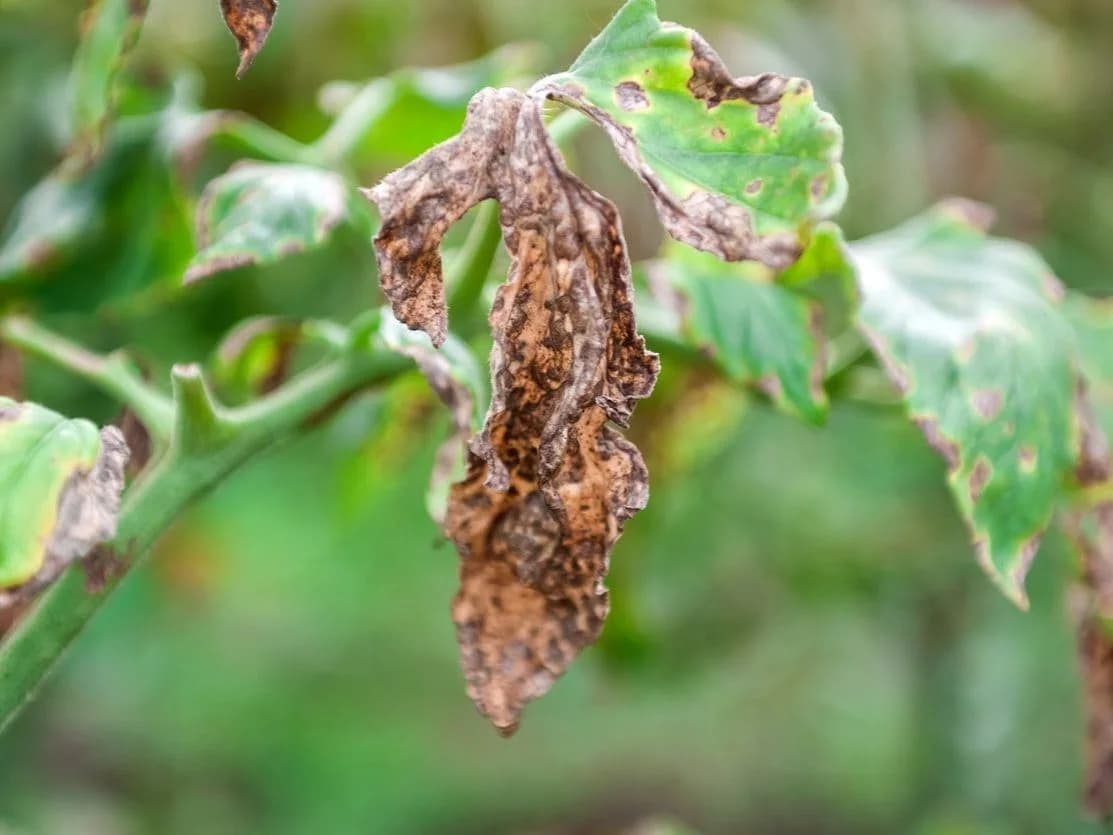
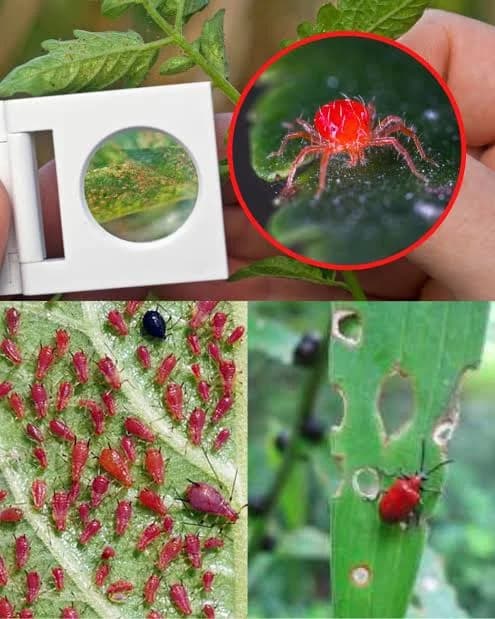
ROOT ROT IN THE FARM: HOW TO IDENTIFY, PREVENT AND MANAGE IT
By CHETU AGROSOLUTION · 29 September 2026
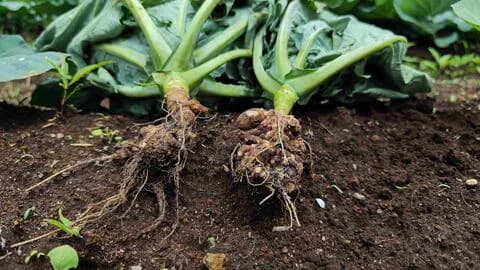
Farmer, healthy roots are the foundation of a healthy crop. You may prepare your field properly, use quality seeds, apply fertilizers and carry out other crop management practices on time, but if the plant roots are affected by rot, the plant may fail to absorb water and nutrients efficiently.
At CHETU AGROSOLUTION, we advise farmers not to wait until crops become severely weakened before looking for the cause of the problem. Root rot is a challenge that often begins below the soil surface, meaning that by the time symptoms become visible above the ground, the root system may already be significantly affected.
In this article, we guide you on how to identify the symptoms, understand the causes, take preventive measures and seek appropriate advice when the problem occurs.
1. WHAT IS ROOT ROT?
Root rot is a condition in which a plant's roots are damaged or destroyed by various disease-causing organisms or unfavorable soil conditions.
Some of the causes may include certain fungi and other soil-borne pathogens, as well as excessive soil moisture, poor drainage, overcrowding and weakened root systems.
It is important to understand that not every wilting plant has root rot.
Symptoms such as wilting, yellowing leaves or stunted growth can also be caused by:
Lack of water
Excessive water
Nutrient deficiencies
Insect pests
Other diseases
Root damage
Highly compacted soil
Excessive salts in the soil
Adverse weather conditions
That is why we advise you not to rush into applying pesticides before identifying the actual cause of the problem.
2. SYMPTOMS OF ROOT ROT IN THE FARM
Farmer, root rot symptoms may appear gradually. These are some of the important signs you should monitor.
A. Plant wilting without an obvious reason
You may notice a plant wilting even after irrigation or rainfall.
This can happen because damaged roots are unable to absorb and transport water effectively.
B. Yellowing leaves
Plants may develop yellow leaves, especially when the damaged root system is unable to support effective nutrient uptake.
However, we advise you not to treat yellowing leaves as proof of root rot alone, because nutrient deficiencies can also cause yellowing.
C. Stunted growth
The plant may fail to grow at the expected rate.
You may notice some plants remaining much smaller than other plants in the same field.
D. Discoloration of roots
When you carefully remove an affected plant and examine its roots, healthy roots normally have an appearance appropriate to the crop, while rotten roots may become discolored, soft, weak or easily broken.
E. Unusual smell from the roots
In severe cases of decay, particularly where the soil remains excessively wet and has limited air movement, damaged roots may develop an unusual smell.
F. Damage around the lower stem
Some diseases affecting the roots may also cause symptoms around the crown or collar of the plant—the area where the roots connect to the stem.
G. Plants dying in patches
A farmer may notice several plants in one particular area beginning to stunt, wilt or die.
This is a sign that should encourage you to inspect the roots and soil conditions.
3. WHY IS EXCESSIVE WATER DANGEROUS TO ROOTS?
Water is essential for plants, but too much water does not mean healthier roots.
Roots also need oxygen from the air spaces within the soil.
When soil remains waterlogged for long periods, air spaces can decrease. This can weaken roots and create conditions that favor some soil-borne disease-causing organisms.
That is why we advise you:
Do not irrigate simply because it is part of your routine.
Consider:
Soil type
Weather conditions
Crop age
Crop type
Irrigation system
Existing soil moisture
The field's drainage capacity
4. POOR DRAINAGE CAN INCREASE THE PROBLEM
Farmer, if water remains in your field for a long time after rainfall or irrigation, do not ignore it.
Water standing around the roots for extended periods can weaken the plants.
We advise you to:
Establish appropriate drainage channels for your field.
Avoid excessive irrigation.
Do not allow water to remain around the plant root zone for long periods.
Consider the field's slope when designing an irrigation or drainage system.
Identify areas where water accumulates more frequently.
5. HEAVY OR POORLY DRAINED SOIL
Some soils have poor drainage capacity, especially when they have a structure that holds too much water or when they become highly compacted.
This can result in:
Waterlogging
Reduced oxygen around the roots
Poor root development
Increased conditions favorable for some root diseases
That is why proper field preparation and soil management are important.
6. PLANTING IN POORLY PREPARED SOIL
Roots need a suitable environment in which to grow.
Farmer, do not only think about the part of the plant that is above the ground. Ask yourself:
“What kind of environment are my plant roots living in?”
Highly compacted soil can restrict root growth and development.
We advise you to:
Avoid excessive soil compaction.
Prepare the field according to the soil type.
Avoid heavy field operations when the soil is excessively wet if those operations are likely to cause compaction.
Use crop residues and other suitable soil-management practices that can help maintain soil health.
7. HEALTHY SEEDS AND SEEDLINGS ARE IMPORTANT
Farmer, root problems can begin very early in the crop cycle.
If you use poor-quality or unhealthy seeds or seedlings, you may begin the season with plants already exposed to greater risks.
We advise you to:
Buy seeds from trusted sources.
Choose varieties suitable for your area and season.
Use healthy seedlings.
Avoid transplanting seedlings showing disease symptoms.
Examine seedling roots before planting them in the field whenever possible.
A plant with a healthy start has a better opportunity to develop a strong root system.
8. FIELD SANITATION IS PART OF PREVENTION
Some disease-causing organisms can survive in crop residues or soil.
We advise you to:
Remove severely affected plants where appropriate.
Do not carelessly leave diseased plant residues in the field.
Clean farm tools when necessary.
Avoid moving soil from affected areas to healthy areas unnecessarily.
Maintain good sanitation in nurseries and production areas.
9. CROP ROTATION CAN HELP
If you continuously grow the same crop in the same field, some soil-borne disease organisms may have more opportunities to survive and build up.
We advise you to consider crop rotation, meaning changing crops according to a suitable production plan.
However, not every crop can simply be rotated with another without proper planning.
A good rotation program should consider:
Disease history of the field
Crop types
Pathogens involved
Soil type
Production period
Market availability
10. DO NOT IRRIGATE ACCORDING TO A FIXED SCHEDULE WITHOUT CHECKING THE FIELD
Farmer, an irrigation schedule can be useful, but it should not be treated as an unchangeable rule.
For example, if the field received heavy rainfall yesterday, you may not need to add more water today simply because “the schedule says so.”
Check the actual soil condition.
We advise you to monitor soil moisture and the water requirements of your crop when deciding when and how much to irrigate.
11. DO NOT CONFUSE ROOT ROT WITH LACK OF WATER
This is a mistake farmers can easily make.
When a plant wilts, you may think:
“The plant is thirsty, so I should add more water.”
But if the real problem is root rot caused by excessive moisture, adding more water may worsen the plant's stress.
Therefore, before increasing irrigation:
Check the soil and the roots.
12. DO NOT RUSH TO APPLY PESTICIDES WITHOUT INVESTIGATION
At CHETU AGROSOLUTION, we advise farmers not to use pesticides blindly.
There are different diseases that affect roots and the plant crown, and not every product controls every disease.
Before choosing a product for disease prevention or management, we should consider:
Symptoms
Crop type
Crop age
Field history
Soil condition
Moisture conditions
Suspected disease
Product label instructions
Professional advice when necessary
The right treatment starts with the right diagnosis.
13. NOT EVERY ROOT ROT PROBLEM CAN BE SOLVED WITH PESTICIDES
Farmer, we want you to understand this important point.
If the roots have already been severely damaged, applying a pesticide alone does not necessarily mean that the plant will immediately recover.
Sometimes the most important measures are:
Improving drainage
Reducing excessive irrigation
Improving the root-zone environment
Removing severely affected plants
Improving field sanitation
Improving soil health
Using healthy seeds or seedlings
Practicing crop rotation
Choosing the appropriate management strategy based on the identified disease
14. DO NOT REPEATEDLY USE THE SAME PRODUCT WITHOUT A PLAN
If the problem is a root disease, repeatedly using the same product without a proper management plan can create challenges, including increasing the risk of resistance to certain active ingredients in some pathogens.
We advise you to:
Follow the product label.
Use products only for registered uses.
Follow the recommended application rate and timing.
Do not mix products without knowing whether they are compatible.
Seek professional advice when you are unsure which product is appropriate.
15. PLANT NUTRITION CAN AFFECT ROOT HEALTH
Farmer, plant nutrition is not only about leaves.
A plant receiving balanced and appropriate nutrition can develop healthier roots and stronger overall growth.
We advise you not to apply fertilizers simply because you are used to doing so.
Consider:
Crop requirements
Crop growth stage
Soil type
Soil-test results where available
Soil moisture
Nutrients already available in the soil
More fertilizer does not automatically mean higher yields.
We want farmers to apply fertilizers according to a plan, not by guesswork.
16. SOIL HEALTH IS THE FOUNDATION OF ROOT HEALTH
Farmer, when we talk about long-term productivity, we must also talk about soil health.
Productive soil requires management that considers:
Soil structure
Water
Air
Soil organisms
Crop residues
Nutrient availability
Soil pH
Erosion
Soil compaction
That is why we advise you not to think of soil simply as a place that holds the plant.
Soil is the environment in which the roots live.
17. WHICH CROPS CAN BE AFFECTED?
Root-related diseases can occur in many crops, depending on the pathogen, environmental conditions and production system.
They may affect, for example:
Tomatoes
Peppers
Eggplants
Cucumbers
Watermelons
Cabbage
Onions
Carrots
Beans
Maize
Other vegetable and field crops
However, we emphasize that similar symptoms do not necessarily mean the same cause.
18. HOW TO EXAMINE A PLANT SUSPECTED OF ROOT ROT
Farmer, when you find a plant that is wilting or stunted, do not only examine the leaves.
Inspect the entire plant.
Step 1: Examine the above-ground part
Check:
Leaf color
Growth rate
Wilting
Spots
Discoloration
Signs of insect pests
Step 2: Examine the lower stem
Look for:
Discoloration
Lesions
Softening
Constriction
Other abnormal symptoms
Step 3: Examine the roots
Carefully remove some plants and check:
Root color
Root thickness
Root firmness
Smell
Whether roots break easily
Whether a large portion of the root system is damaged
Step 4: Examine the soil
Ask yourself:
Is the soil excessively wet?
Is water standing in the field?
Is the soil compacted?
Is there adequate drainage?
Is the problem concentrated in one area or across the whole field?
19. WHEN THE PROBLEM OCCURS ONLY IN ONE PART OF THE FIELD
Farmer, if plants are more severely affected in one particular area, do not ignore that information.
It may help you understand the source of the problem.
Check whether that area:
Collects water
Has a different soil type
Has been planted with the same crop repeatedly
Has poor drainage
Has a history of disease
Has excessive plant density
Receives more irrigation water
Mapping the problem across the field can provide valuable information.
20. DO NOT WAIT UNTIL THE PLANTS START DYING
We advise farmers to carry out regular scouting, meaning routine field inspection.
Do not wait until many plants begin dying.
Walk through the field and check:
Stunted plants
Wilting plants
Waterlogged areas
Color changes
Roots where possible
Insect pests
Diseases
Soil condition
When a problem is detected early, it is generally easier to plan appropriate management measures.
21. FARMER MISTAKES THAT CAN WORSEN THE PROBLEM
When working with farmers, we emphasize avoiding mistakes such as:
❌ Excessive irrigation.
❌ Ignoring drainage problems.
❌ Using seeds or seedlings from unreliable sources.
❌ Planting without considering field history.
❌ Applying pesticides without identifying the problem.
❌ Applying excessive fertilizer without a plan.
❌ Continuously growing the same crop without considering crop rotation.
❌ Leaving severely diseased plants in the field without a sanitation plan.
❌ Moving soil from affected areas to healthy areas.
❌ Waiting until many plants are already dying.
22. WHAT SHOULD YOU DO WHEN YOU SEE THESE SYMPTOMS?
We advise you to follow these steps:
1. Do not panic
Do not immediately buy and apply any pesticide simply because the plant is wilting.
2. Examine the area
Determine where the problem is beginning.
3. Examine the soil
Check moisture and drainage.
4. Examine the roots
Carefully remove some plants and inspect the roots.
5. Compare plants
Compare healthy plants with affected plants.
6. Seek advice
Provide a professional with enough information about the problem.
7. Take timely action
After identifying the cause, follow an appropriate management and prevention plan.
23. WHAT INFORMATION SHOULD YOU GIVE US WHEN SEEKING ADVICE?
Farmer, when contacting us at CHETU AGROSOLUTION, we advise you to provide as much information as possible.
For example:
Crop name
Variety, if known
Crop age
Farm location
Irrigation system
Soil type, if known
Field history
Fertilizers already applied
Products already used
When the symptoms first appeared
Whether the problem affects one area or the whole field
Photos of the plant and roots where possible
This information can help us understand the problem before recommending appropriate steps.
24. HOW DOES CHETU AGROSOLUTION HELP FARMERS?
At CHETU AGROSOLUTION, we believe that farmers should not have to farm by guesswork.
We support farmers in several areas, including:
🌱 Seeds
We help farmers select seeds suitable for their crop, location and season.
🌿 Agricultural inputs
We help farmers access appropriate agricultural inputs according to their production needs.
🧑🌾 Agronomic advice
We help farmers understand crop challenges and plan appropriate management practices.
🔍 Problem identification
We help farmers assess challenges related to diseases, pests, plant nutrition and field conditions.
🚜 Farm monitoring
Where necessary, we encourage farmers to access professional support for monitoring crop conditions and planning appropriate actions.
25. FARMER, DO NOT ONLY ASK “WHICH PESTICIDE SHOULD I USE?”
This is an important question, but we encourage you to go further.
Instead of asking only:
“Which pesticide should I use?”
Also ask:
“What is the actual problem?”
“What caused it?”
“What should I do to prevent it from coming back?”
“What is the condition of the root zone?”
“How is water moving through the field?”
“Which seed and production plan is appropriate?”
This is where professional farming begins.
26. ROOT ROT IS NOT ONLY A PLANT PROBLEM
We want farmers to see the bigger picture.
When roots are affected, the problem may involve the entire production system:
Soil → Water → Roots → Nutrients → Growth → Flowers → Fruits → Harvest
Therefore, when managing a root problem, we should not focus only on pesticides.
We should consider the entire system.
27. MODERN FARMING IS ABOUT OBSERVATION AND DECISION-MAKING
A modern farmer does not use agricultural inputs simply out of habit.
A modern farmer observes.
Asks questions.
Plans.
Monitors.
Keeps records.
Adjusts management practices when the available information shows that a change is needed.
This is the approach we encourage at CHETU AGROSOLUTION.
28. OUR FINAL ADVICE TO FARMERS
Farmer, we advise you not to wait until many plants have died before seeking help.
Inspect your field early.
Protect your roots.
Manage water properly.
Improve soil health.
Use healthy seeds and seedlings.
Maintain good field sanitation.
Consider crop rotation where appropriate.
Do not use pesticides blindly.
Apply fertilizers according to a plan.
And whenever you face a challenge, do not hesitate to seek professional advice.
29. CHETU AGROSOLUTION — WE ARE WITH THE FARMER
At CHETU AGROSOLUTION, we are committed to helping farmers find solutions to production challenges through knowledge, agricultural inputs and advice that responds to the needs of each farm.
Farmer, if you are facing:
Root rot
Plant wilting
Stunted growth
Soil-borne diseases
Insect pests
Fertilizer challenges
Seed-related challenges
Or any other farm production problem
Do not farm by guesswork. Contact us.
You can visit us or get more information through:
We are available to support you with agricultural inputs, seeds, agronomic advice and solutions to farm challenges.
CHETU AGROSOLUTION
BETTER INPUTS, BETTER HARVESTS, BETTER LIVES.
Farmer, do not farm by guesswork.
FARM WITH A PLAN.
FARM WITH KNOWLEDGE.
FARM WITH THE RIGHT ADVICE.