WATERMELON FARMING AND ITS BENEFITS
By CHETU AGROSOLUTION · 23 September 2026
Dear Farmer,
Watermelon farming can provide a good opportunity for income when it is managed properly. However, successful watermelon production does not depend only on planting seeds and waiting for fruits. As CHETU AGROSOLUTION, we advise you to approach watermelon farming as a planned business that requires proper land preparation, quality seed, good nutrition, effective water management, pest and disease control, and a clear market plan.
Our advice is simple: do not farm by chance—farm with a plan.
1. Understand the Watermelon Business Before Planting
Before you plant, we advise you to understand your target market.
Ask yourself:
- Who will buy my watermelons?
- What type and size of watermelon does the market prefer?
- When is demand usually high?
- How much will I spend on land preparation, seed, fertilizer, crop protection and irrigation?
- How will I transport my harvest to the market?
Good planning helps you avoid producing a crop without knowing where or how you will sell it.
2. Benefits of Watermelon Farming
Watermelon is an important fruit crop because it is widely consumed and can create an opportunity for farmers to generate income.
As a farmer, you can benefit from watermelon farming through:
- Selling fresh fruits in local and regional markets.
- Supplying traders, retailers, hotels and other buyers.
- Producing during periods when market demand is favorable.
- Diversifying your farming activities.
- Creating additional household income when production and marketing are well planned.
However, we advise you not to assume that every watermelon farm will automatically generate profit. Your results depend on production costs, yield, fruit quality, market prices and proper farm management.
3. Choose the Right Location
Before planting, choose land that receives sufficient sunlight and has good drainage.
Watermelon does not perform well where water remains stagnant for long periods.
We advise you to avoid fields that:
- Flood easily.
- Have poor drainage.
- Remain waterlogged after irrigation or rainfall.
- Have a serious history of crop diseases without proper management.
Reliable access to water is also important because watermelon requires proper water management throughout its growth cycle.
4. Test Your Soil Before Applying Fertilizer
Mkulima, do not apply fertilizer simply because you think the crop needs it.
We strongly advise you to test your soil before making major fertilizer decisions.
Soil testing can help you understand important factors such as:
- Soil fertility.
- Soil pH.
- Major nutrient levels.
- Possible nutrient deficiencies.
- The type of fertilizer program that may be appropriate.
Remember that fertilizer requirements can vary depending on soil condition, variety, production system and crop growth stage.
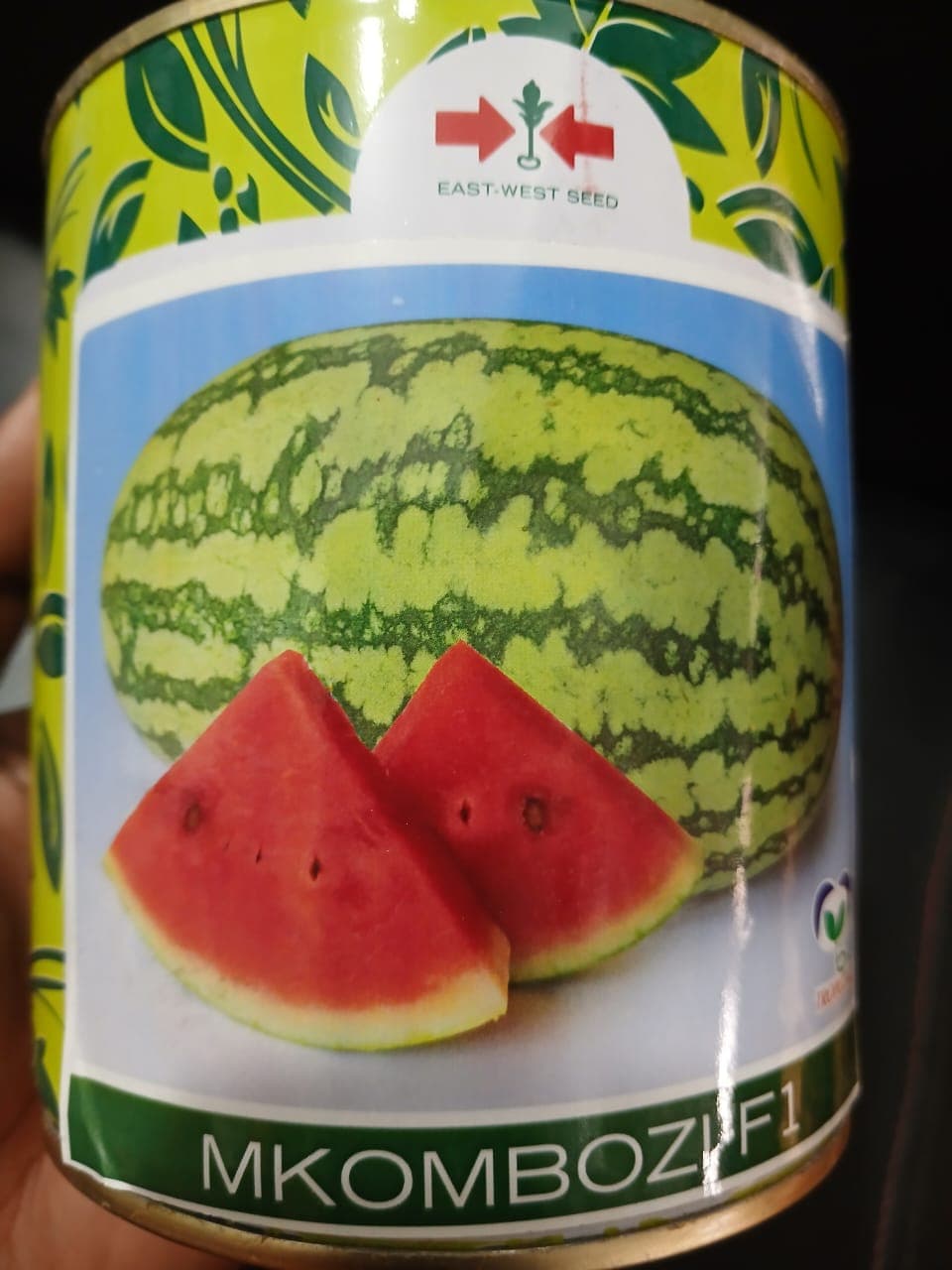
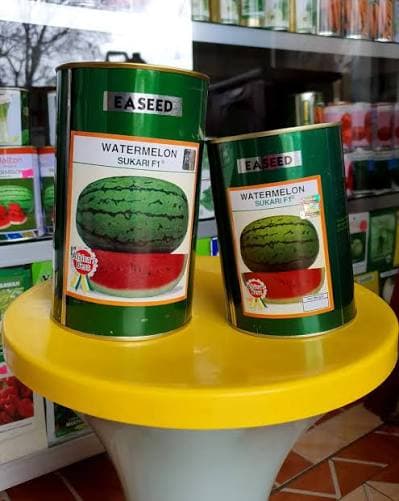
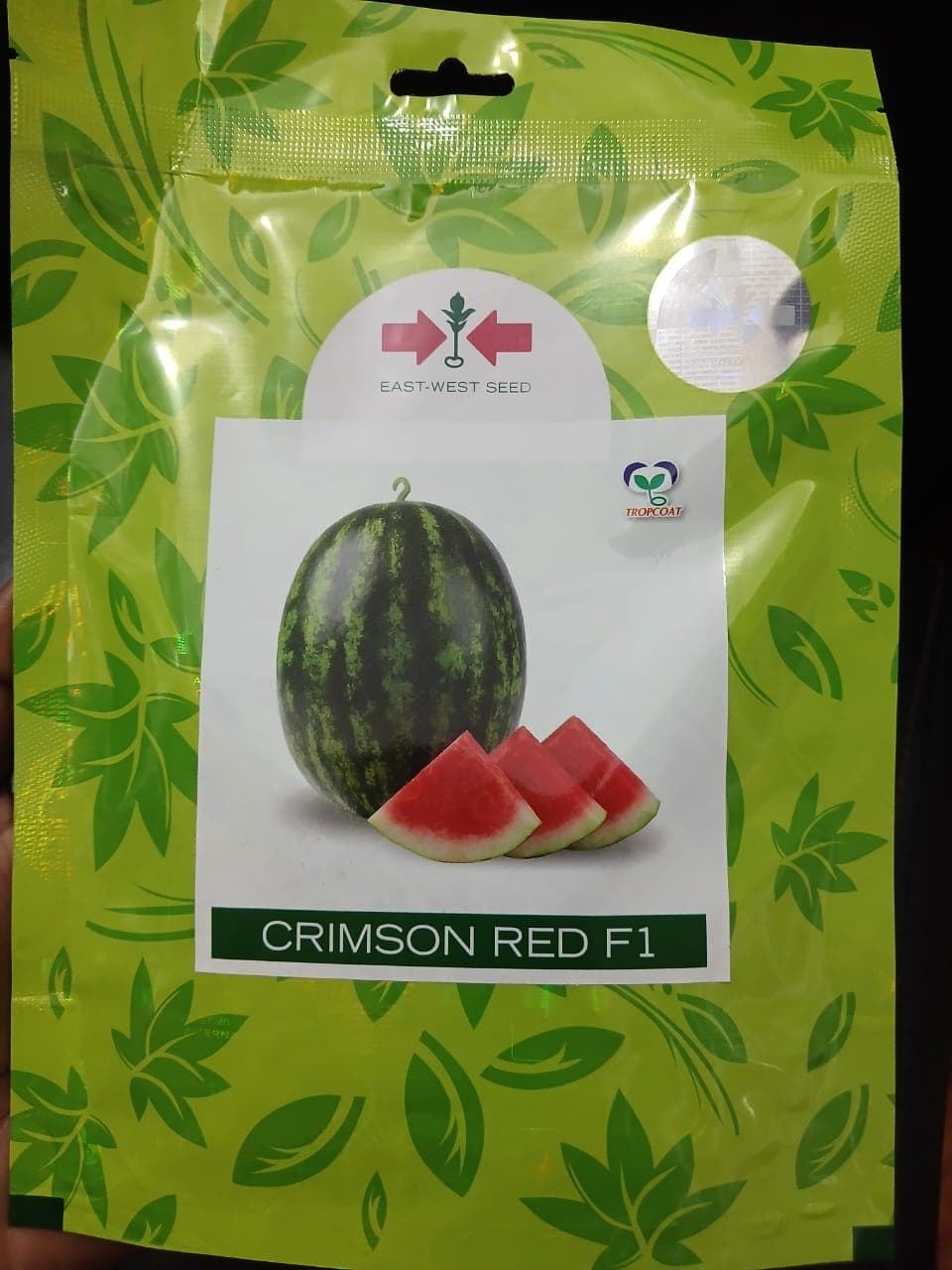
5. Choose Quality Seed
The quality of your seed is one of the important decisions you will make before planting.
We advise you to choose seed according to:
- Your production area.
- The season.
- Market demand.
- Disease considerations.
- Fruit characteristics required by buyers.
- The performance of the variety under your farming conditions.
Avoid planting seed from an uncertain source simply because it is cheap.
At CHETU AGROSOLUTION, we can help you select suitable agricultural inputs and provide technical advice based on your farming needs.
6. Prepare the Field Properly
Good land preparation creates a better environment for root development and crop establishment.
Before planting, we advise you to:
- Clear weeds and unnecessary plant residues.
- Prepare the soil properly.
- Ensure good drainage.
- Plan irrigation channels or systems.
- Incorporate appropriate organic matter where suitable.
- Avoid creating conditions that encourage waterlogging.
Do not wait until the crop has already emerged before discovering that your field has drainage or irrigation problems.
7. Follow Proper Plant Spacing
Avoid overcrowding your watermelon plants.
Plant spacing should be determined according to the variety, production system, field conditions and technical recommendations for the seed you are using.
Proper spacing helps with:
- Air circulation.
- Sunlight penetration.
- Field inspection.
- Pest and disease management.
- Efficient use of water and nutrients.
- Fruit development.
We advise you to follow the recommended spacing rather than copying another farmer's spacing without considering differences in variety and production conditions.
8. Manage Irrigation Carefully
Water management is one of the most important parts of watermelon production.
We advise you to provide adequate moisture without keeping the field excessively wet.
Avoid both:
Water stress — which can affect plant growth, flowering and fruit development.
Excess water — which can encourage root problems, diseases and fruit rot, especially where drainage is poor.
Monitor your soil and crop regularly and adjust irrigation according to weather, soil type and crop growth stage.
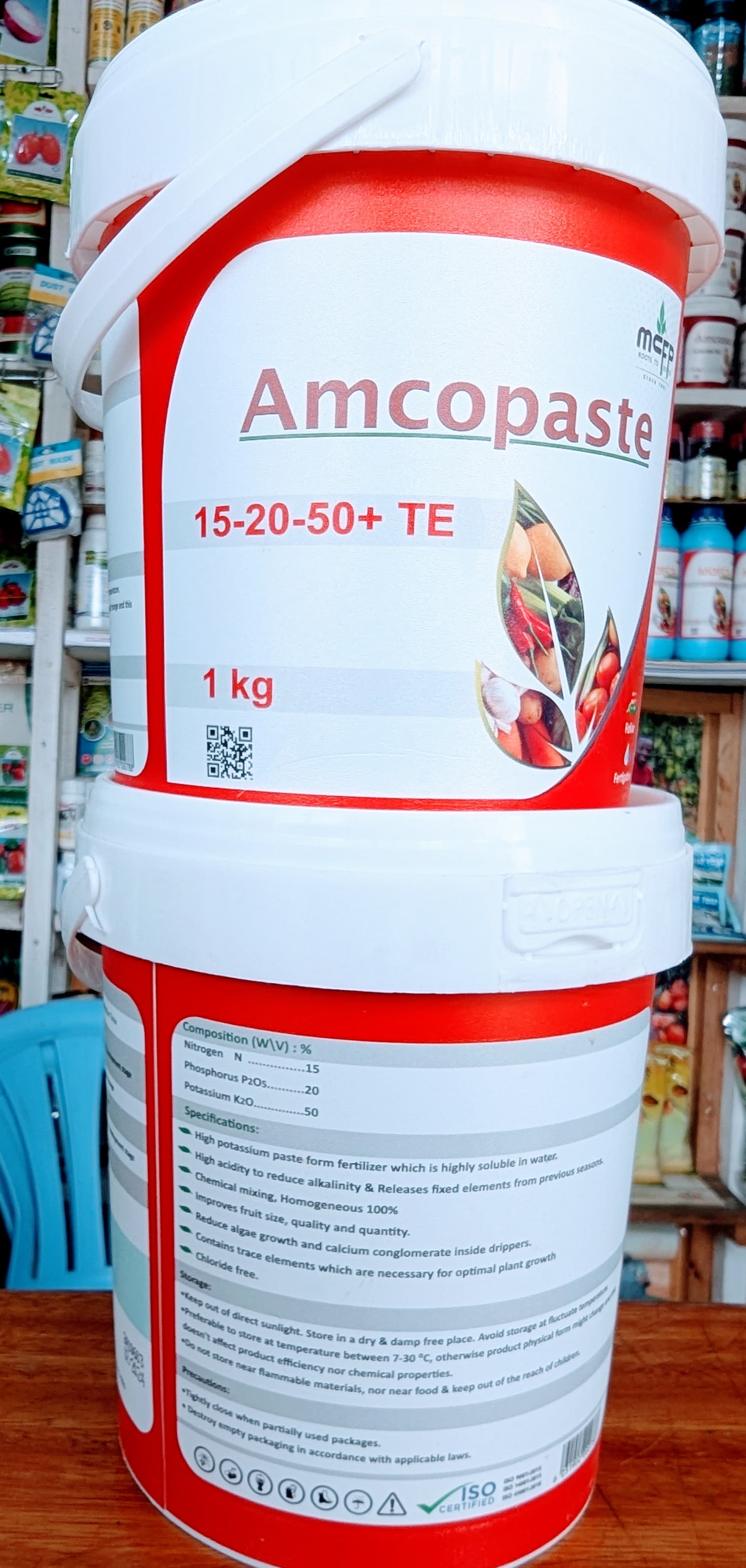
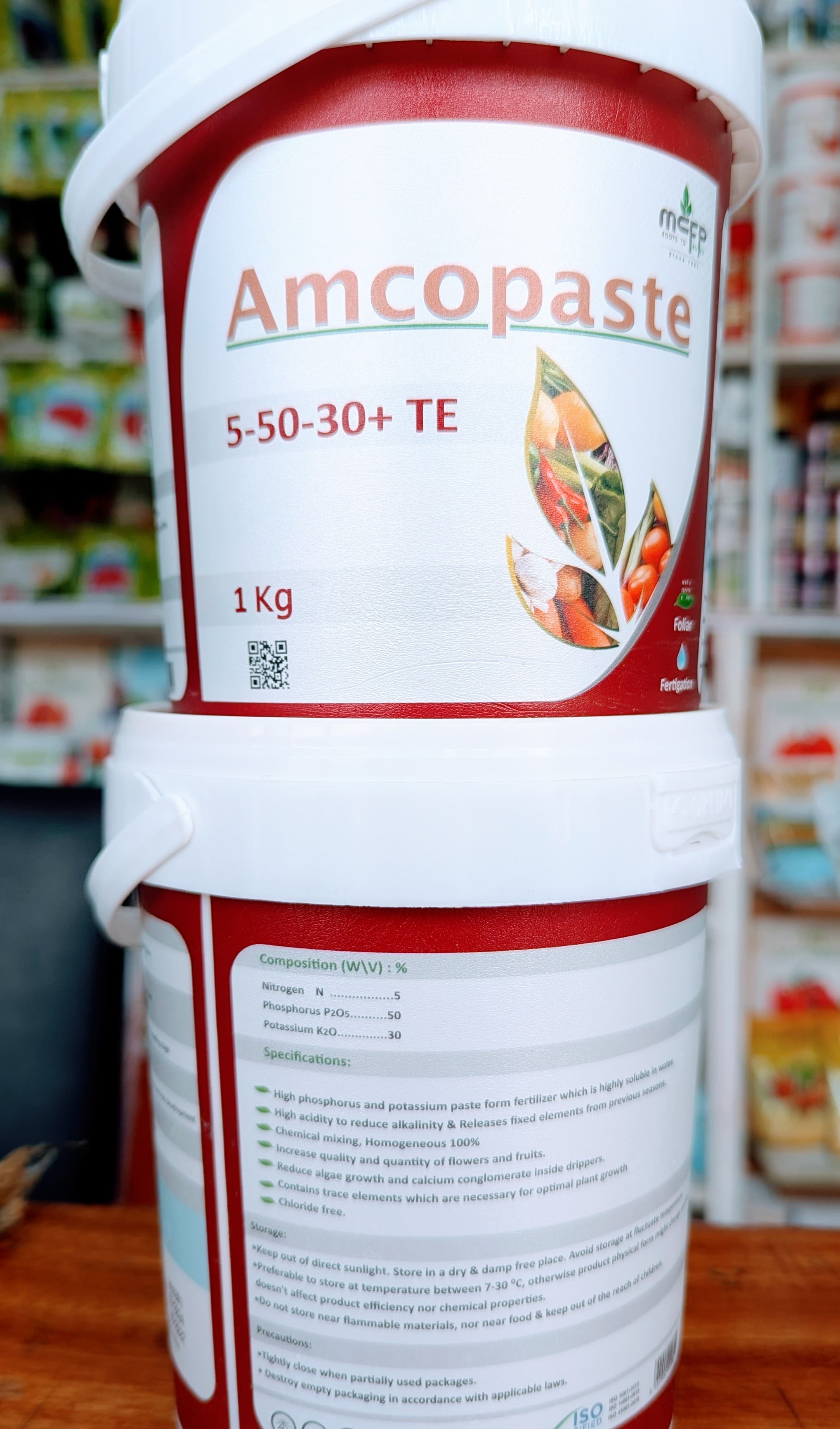
9. Manage Crop Nutrition Properly
Watermelon requires balanced nutrition throughout its growth cycle.
We advise you to manage nutrients according to soil-test results, crop stage and production objectives.
Important nutrients may include:
- Nitrogen (N)
- Phosphorus (P)
- Potassium (K)
- Calcium (Ca)
- Magnesium (Mg)
- Sulfur (S)
- Micronutrients
Do not assume that applying more fertilizer will always produce more fruit.
Excessive or poorly timed fertilizer application can create problems instead of solving them.
Our advice is to develop a nutrition program based on your soil condition and crop stage.
10. Control Weeds Early
Weeds compete with watermelon plants for:
- Water.
- Nutrients.
- Space.
- Light.
We advise you to control weeds early before they become difficult to manage.
Keep the field clean, but also avoid unnecessary disturbance of the soil or roots during weeding.
11. Inspect Your Field Regularly
Mkulima, do not wait until your plants are seriously damaged before inspecting your field.
Walk through the field regularly and check:
- Leaves.
- Stems.
- Roots where possible.
- Flowers.
- Young fruits.
- Mature fruits.
- Soil moisture.
- Signs of insects.
- Signs of disease.
Early detection gives you a better opportunity to identify the real cause of the problem and take appropriate action.
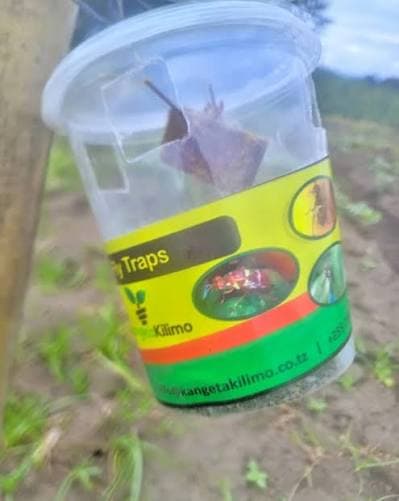
12. Manage Pests Properly
Watermelon can be affected by different pests, including aphids, whiteflies, thrips, mites and other insects.
We advise you to monitor the crop rather than automatically spraying pesticides whenever you see insects.
Before applying any crop-protection product, identify:
- The pest involved.
- The level of infestation.
- The part of the plant being affected.
- Whether the damage is actually caused by the suspected pest.
Use registered agricultural products according to their labels and seek professional advice where necessary.
13. Protect Your Crop Against Diseases
Watermelon can be affected by diseases that attack roots, stems, leaves and fruits.
Some disease problems may be associated with:
- Excess moisture.
- Poor drainage.
- High humidity.
- Infected seed or planting material.
- Poor field sanitation.
- Continuous cultivation without crop rotation.
- Pest activity that contributes to disease spread.
We advise you to focus on prevention and early detection.
Use healthy seed, maintain field sanitation, manage weeds, provide proper drainage and avoid unnecessary moisture on plant surfaces.
Most importantly, do not assume that every wilting or yellowing plant has a disease.
Water stress, nutrient problems, root damage, pests and environmental stress can produce similar symptoms.
14. Protect the Root System
Healthy roots are essential for strong watermelon plants.
We advise you to protect roots by:
- Avoiding excessive irrigation.
- Maintaining good drainage.
- Avoiding unnecessary root disturbance.
- Providing appropriate nutrition.
- Monitoring for root pests and diseases.
- Preventing prolonged waterlogging.
A plant with a healthy root system has a better foundation for growth and fruit production.
15. Pay Attention to Flowers and Fruit Formation
When the crop starts flowering, your management becomes even more important.
We advise you to monitor:
- Flower development.
- Pollination.
- Water availability.
- Nutrient balance.
- Pest activity.
- Disease symptoms.
- Early fruit development.
Poor flowering or fruit set can be associated with environmental stress, water problems, nutritional imbalance, pests, diseases or pollination-related issues.
Do not immediately assume that the solution is to increase fertilizer.
First identify the actual cause.
16. Protect Developing Fruits
As fruits develop, protect them from unnecessary damage.
Maintain good field hygiene and avoid conditions that encourage fruit rot.
Where appropriate, prevent fruits from remaining in prolonged contact with excessively wet soil.
Continue monitoring fruits for:
- Rot.
- Cracks.
- Insect damage.
- Disease symptoms.
- Sun or environmental damage.
- Abnormal development.
17. Harvest at the Right Time
Do not harvest watermelon based on size alone.
Harvest timing should consider the variety and maturity indicators.
We advise you to learn the maturity signs of the specific variety you planted.
Harvesting too early can result in poor fruit quality, while harvesting too late can affect marketability and shelf life.
18. Plan Your Market Before Harvest
Mkulima, do not wait until your watermelon field is ready for harvest before looking for buyers.
Start planning your market early.
Identify:
- Local traders.
- Wholesale markets.
- Retailers.
- Hotels and restaurants.
- Other potential buyers.
Understand their preferred fruit size, quality and packaging or transportation requirements.
Good marketing planning can help you make better production decisions from the beginning.
19. Keep Farm Records
We strongly advise you to keep records of your watermelon farm.
Record:
- Seed costs.
- Land preparation costs.
- Fertilizer costs.
- Crop-protection costs.
- Labour costs.
- Irrigation costs.
- Transport costs.
- Harvest quantity.
- Selling price.
- Total income.
These records help you understand whether your farming business is performing well and where you need to improve.
20. Mistakes You Should Avoid
As CHETU AGROSOLUTION, we advise you to avoid these common mistakes:
- Planting without a market plan.
- Using poor-quality or uncertified seed.
- Applying fertilizer without understanding soil needs.
- Over-irrigating the field.
- Allowing water to remain stagnant.
- Ignoring early pest or disease symptoms.
- Spraying pesticides without identifying the problem.
- Mixing pesticides without professional guidance.
- Applying higher-than-recommended rates.
- Planting continuously without considering crop rotation.
- Ignoring farm records.
- Waiting too long before seeking technical assistance.
21. How CHETU AGROSOLUTION Can Help You
At CHETU AGROSOLUTION, we do not want you to farm by guesswork.
We advise you on:
- Choosing suitable seeds.
- Selecting appropriate fertilizers and crop inputs.
- Planning crop nutrition.
- Identifying pest and disease problems.
- Managing crop challenges.
- Planning planting and crop-management activities.
- Improving good agricultural practices.
- Monitoring crop conditions where farm-monitoring services are needed.
We also support farmers with agricultural inputs and technical guidance, and we can arrange delivery to farmers across Tanzania.
22. Contact Us Early When You Face a Challenge
Mkulima, do not wait until your crop is severely damaged before asking for help.
If you notice:
- Yellowing leaves.
- Wilting plants.
- Leaf spots.
- Poor flowering.
- Poor fruit development.
- Fruit rot.
- Unusual insect activity.
- Poor plant growth.
- Root problems.
Contact us early.
The earlier you identify the real problem, the easier it can be to plan an appropriate response.
CONCLUSION
Watermelon farming can be a valuable agricultural business when you manage it with proper planning and technical knowledge.
As CHETU AGROSOLUTION, our advice to you is clear:
DO NOT FARM BY CHANCE — FARM WITH A PLAN.
Choose quality seed. Prepare your field properly. Test your soil. Manage water carefully. Feed your crop according to its needs. Monitor pests and diseases early. Protect your roots and fruits. Plan your market before harvest. Keep farm records.
And whenever you face a challenge, come to CHETU AGROSOLUTION or contact us for professional agricultural advice, quality inputs, seed selection, and solutions to your crop challenges.
QUALITY INPUTS • QUALITY SEEDS • PROFESSIONAL ADVICE • SOLUTIONS FOR FARMERS
CHETU AGROSOLUTION — Your Farming Partner.