CUCUMBER FARMING AND ITS BENEFITS: A COMPLETE GUIDE FOR FARMERS
By CHETU AGROSOLUTION · 23 September 2026
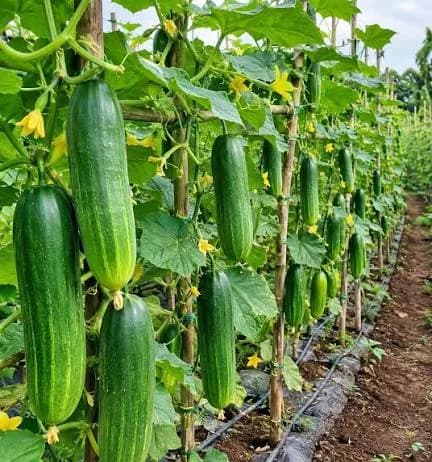
Cucumber — A Crop with Good Opportunities for Farmers
Cucumber is one of the important vegetable crops grown for both food and commercial purposes. It is used in salads, juices, various dishes, hotels, restaurants, and other food businesses, creating opportunities in different markets.
For a farmer focused on commercial production, cucumber can be an attractive crop because, depending on the variety, growing conditions, and production system, harvesting can begin within a relatively short period compared with some other vegetable crops.
However, profitability in cucumber farming does not depend on planting seeds alone. Farmers need to select suitable seed, prepare the field properly, manage water and nutrients, control pests and diseases, and have a good marketing plan.
BENEFITS OF CUCUMBER FARMING
1. It Has Market Demand
Cucumbers are consumed by households, restaurants, hotels, vegetable traders, and various food-service businesses.
This gives farmers an opportunity to target different markets depending on the quality, size, and variety of cucumber they produce.
2. It Provides an Opportunity for Income
For farmers who plan production, manage costs, and have a good market, cucumber farming can be a source of income.
However, actual profitability depends on several factors, including:
- Seed costs.
- Fertilizers and other agricultural inputs.
- Irrigation.
- Labor.
- Pest and disease management.
- Yield level.
- Market prices.
- Post-harvest losses.
Therefore, farmers should prepare a production budget before starting.
3. It Can Fit Into a Relatively Short Production Cycle
Depending on the cucumber variety and growing conditions, harvesting can begin after a relatively short growing period compared with some other crops.
This can help farmers plan production cycles and cash flow.
4. It Can Be Grown Under Different Production Systems
Cucumbers can be produced in:
- Open fields.
- Vegetable gardens.
- Irrigated fields.
- Trellising systems.
- Some modern and protected farming systems.
The appropriate system depends on the cucumber variety, environment, available capital, and target market.
5. It Can Produce Valuable Harvests When Properly Managed
Cucumber quality is very important in the market. Fruits with suitable size, good shape, attractive color, and minimal damage may have better market opportunities where buyers pay for quality.
IMPORTANT STEPS IN CUCUMBER FARMING
1. CHOOSE A SUITABLE LOCATION
Cucumbers require an environment that supports healthy plant growth.
The field should have:
- Adequate sunlight.
- Fertile soil.
- Good drainage.
- Reliable access to water when needed.
- Good air circulation.
- Conditions suitable for the selected cucumber variety.
Avoid Waterlogging
Excessive water around the root zone can cause root problems and create favorable conditions for certain diseases.
2. CONDUCT SOIL TESTING
Before applying large amounts of fertilizer, it is advisable to understand the condition of the soil.
Soil testing can help determine:
- Nutrient status.
- Soil pH.
- Soil amendment requirements.
- An appropriate crop nutrition plan.
Do not apply fertilizers simply based on habit.
Fertilizer requirements vary according to soil type, field history, cucumber variety, irrigation system, and production target.
3. CHOOSE QUALITY SEED
Successful cucumber production begins with quality seed.
Farmers should select seed based on:
- The target market.
- Local growing conditions.
- Production period.
- Yield potential.
- Quality requirements of the market.
- Tolerance to important challenges known in the production area.
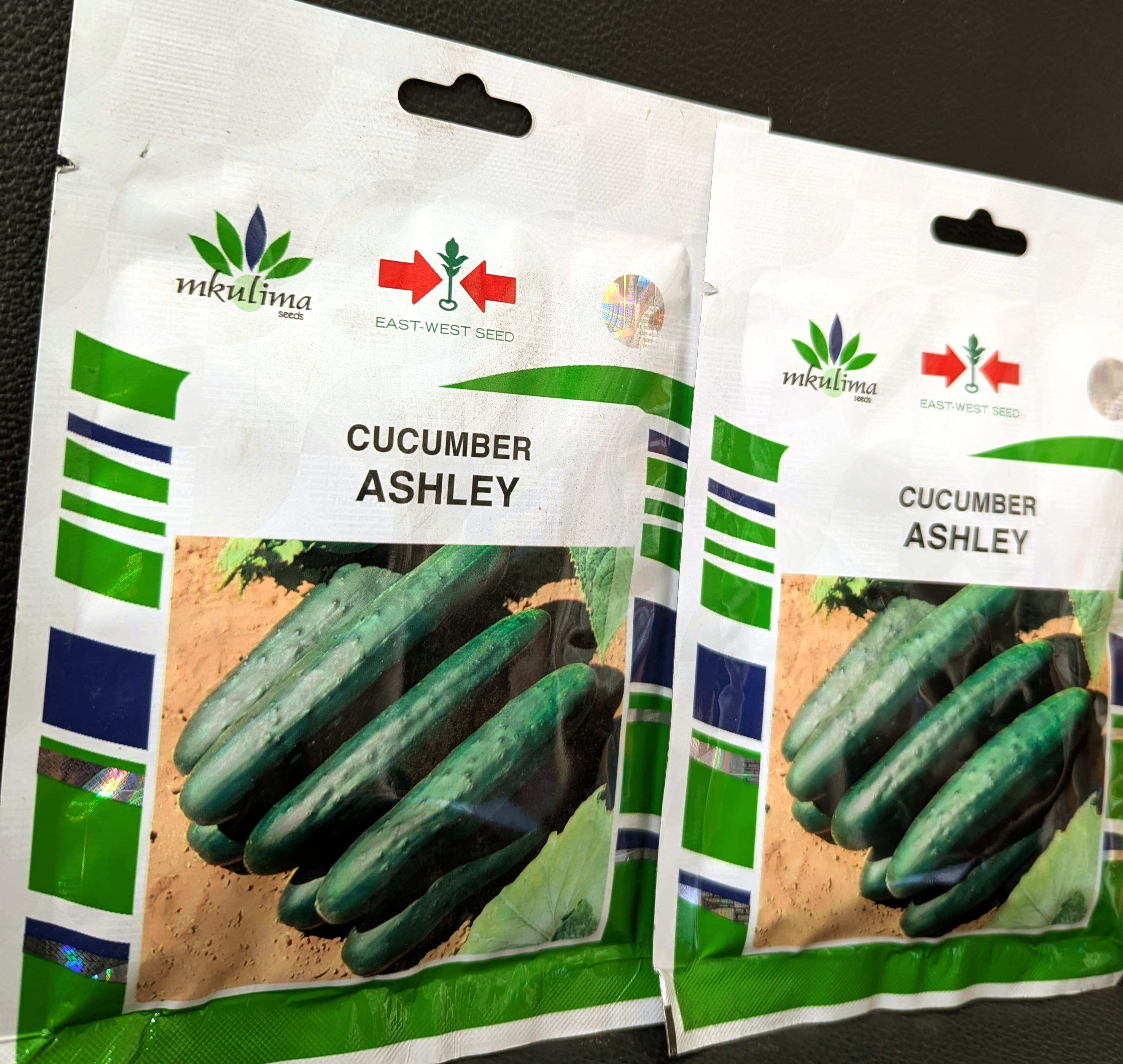
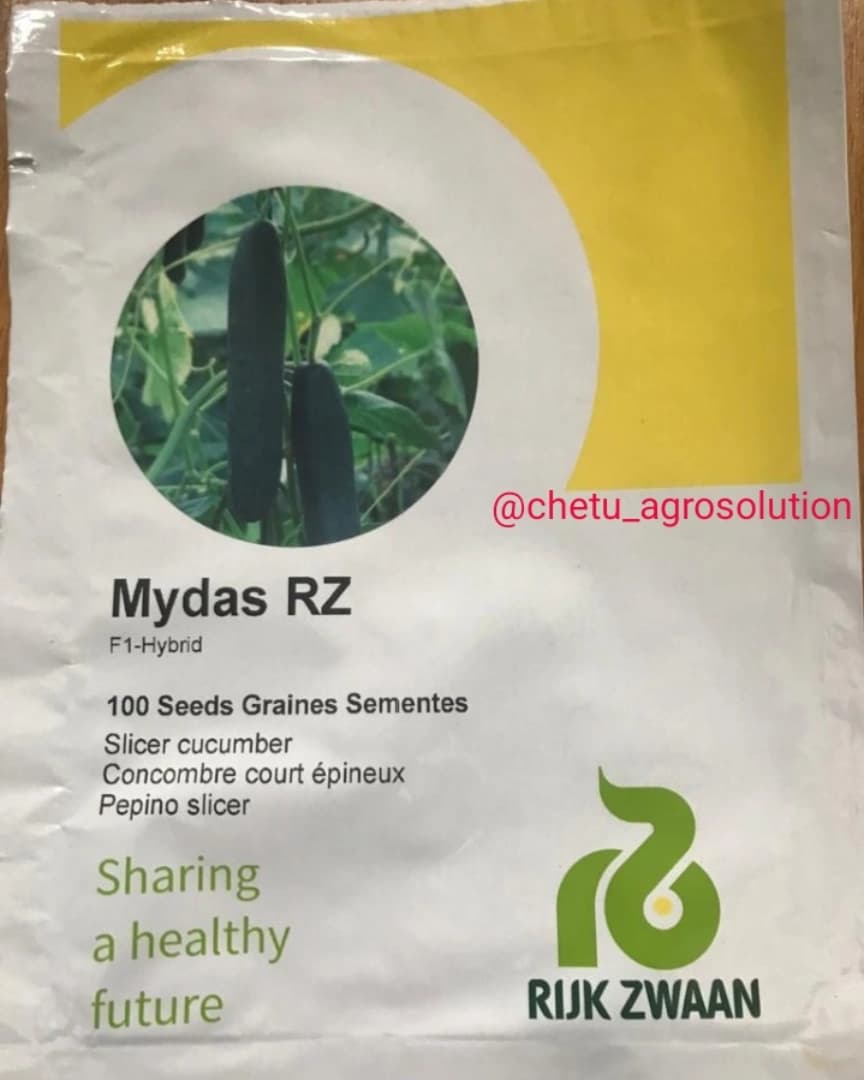
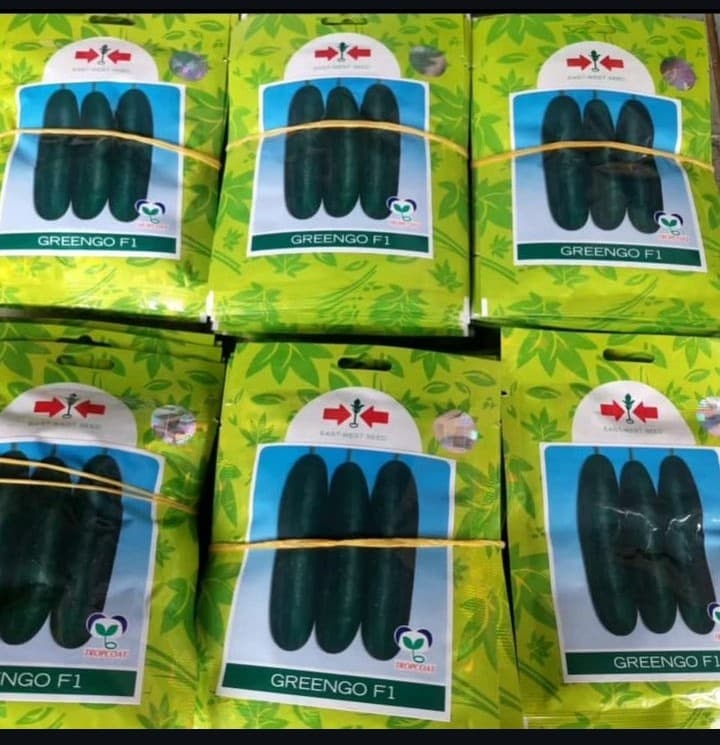
CHETU AGROSOLUTION currently lists several cucumber seed varieties, including Ashley, Greengo F1, Monalisa F1, Mydas RZ F1, and Stonewall, among other options on its cucumber seed page. Product availability may change, so farmers should contact CHETU AGROSOLUTION before ordering.
4. PREPARE THE FIELD PROPERLY
The field should be prepared before planting.
Important steps include:
- Remove weeds.
- Plough the soil properly.
- Break large soil clods.
- Ensure adequate drainage.
- Prepare beds or planting rows according to the production system.
- Add appropriate soil amendments based on the condition of the field.
Well-structured soil helps roots develop and use water and nutrients efficiently.
5. PLAN THE PLANT SPACING
Do not plant cucumbers at excessive density without considering the variety and production system.
Overcrowding can:
- Reduce light penetration.
- Reduce air circulation.
- Increase humidity.
- Make disease management more difficult.
- Increase competition for water and nutrients.
The appropriate spacing should take into account the cucumber variety and whether the plants will be grown on the ground or trained on a trellis.
6. MANAGE WATER PROPERLY
Cucumbers require adequate water, but excessive irrigation can also cause problems.
Insufficient water may cause:
- Wilting.
- Poor growth.
- Flower drop.
- Small fruits.
- Reduced fruit quality.
Excessive water may cause:
- Poor root aeration.
- Root rot.
- Increased risk of some diseases.
- Loss of certain nutrients.
Important Principle:
Provide cucumbers with the right amount of water at the right time, based on soil type, weather conditions, and the crop's growth stage.
7. CUCUMBER NUTRITION
Cucumbers require good nutrition from root development through fruit production.
Important nutrients include:
Nitrogen (N)
Supports leaf and stem growth.
However, excessive nitrogen can encourage excessive vegetative growth and affect the balance between plant growth and fruit production.
Phosphorus (P)
Contributes to root development and important plant growth processes.
Potassium (K)
Plays an important role in several plant processes and is particularly important during fruit production.
Calcium, Magnesium and Micronutrients
Nutrients such as calcium, magnesium, boron, zinc, iron, and manganese may be important depending on soil conditions and crop requirements.
A fertilizer program should not be based on guesswork. It is better to consider soil test results, crop variety, growth stage, and production system.
CHETU AGROSOLUTION states that its agricultural advisory services help farmers select seeds, fertilizers, and crop protection products according to the crop, and also include farm monitoring and step-by-step production planning.
8. TRELLISING — TRAINING CUCUMBER PLANTS
In some production systems, cucumbers can be trained on trellises instead of allowing the vines to spread on the ground.
Potential benefits include:
- Easier harvesting.
- Easier crop inspection.
- Improved air circulation.
- Reduced contact between fruits and soil.
- Easier pest and disease management.
- More efficient use of space.
However, this system requires suitable preparation and supporting materials.
9. WEED MANAGEMENT
Weeds compete with cucumbers for:
- Water.
- Nutrients.
- Light.
- Space.
They may also provide shelter for insect pests and contribute to some crop health problems.
Therefore, farmers should control weeds early rather than waiting until they become difficult to manage.
10. MANAGE INSECT PESTS EARLY
Insects that may attack cucumbers include:
- Aphids.
- Whiteflies.
- Thrips.
- Spider mites.
- Some leaf-feeding insects.
- Some insects that can damage fruits.
Symptoms to Watch For:
- Curling leaves.
- Discolored leaves.
- Stunted growth.
- Insects underneath leaves.
- Damaged fruits.
- Affected flowers.
Do not apply pesticides simply because you see an insect.
Identify the pest first, assess the level of infestation, and then choose the appropriate management method.
11. CUCUMBER DISEASES
Diseases can cause significant losses if they are not detected and managed early.
Some important challenges include:
Powdery Mildew
Appears as white powder-like growth on leaves.
Downy Mildew
Can cause leaf spots and weaken plants under favorable environmental conditions.
Anthracnose
Can affect leaves and fruits, causing spots and fruit decay.
Fusarium Wilt
Can cause wilting and plant decline due to problems associated with the roots and water-conducting system.
Bacterial Diseases
Some bacterial diseases can cause leaf spots or fruit problems.
Viral Diseases
They may cause:
- Mottled leaves.
- Leaf curling.
- Stunted plants.
- Abnormally shaped fruits.
- Reduced yields.
Do not apply pesticides before identifying the cause of the problem.
12. FLOWER DROP AND POOR FRUIT DEVELOPMENT
This is a challenge farmers may experience during cucumber production.
Possible causes include:
- Water stress.
- Excessive heat.
- Poor nutrition.
- Insect pests.
- Diseases.
- Poor pollination in systems that depend on pollination.
- Other environmental stresses.
The solution should begin with identifying the actual cause, rather than simply adding more fertilizer without a clear diagnosis.
13. HARVESTING CUCUMBERS
Cucumbers should be harvested according to the requirements of the target market.
Frequent harvesting can help maintain fruit quality and support continued production in suitable production systems.
During harvesting:
- Avoid damaging the plant.
- Do not pull fruits forcefully.
- Avoid dropping fruits.
- Separate damaged fruits from healthy ones.
14. POST-HARVEST MANAGEMENT
Quality can decline after harvesting if cucumbers are not handled properly.
Farmers should:
- Avoid physical damage.
- Separate damaged fruits.
- Use appropriate packaging.
- Minimize the time between harvesting and marketing.
- Protect produce from excessive heat where possible.
HOW TO INCREASE THE CHANCE OF PROFITABILITY IN CUCUMBER FARMING
Commercial farming requires more than simply producing a large harvest.
Farmers should consider:
1. Plan the Market Before Planting
Know who will buy your cucumbers and what qualities they require.
2. Know Your Production Costs
Record costs for:
- Seed.
- Fertilizer.
- Crop protection products.
- Irrigation.
- Labor.
- Trellising materials.
- Transportation.
- Packaging.
3. Choose Seed According to the Market
Do not select a seed variety simply because it is popular. Choose a variety that matches your target market.
4. Monitor the Field Regularly
Early detection allows farmers to take action before problems spread and become more expensive to manage.
5. Use Agricultural Inputs Correctly
More inputs do not automatically mean higher yields. The right input, at the right time and used correctly, is what matters.
CHALLENGES IN CUCUMBER FARMING
Farmers may face challenges such as:
- Poor seed germination.
- Insect pests.
- Diseases.
- Nutrient deficiencies.
- Excessive water.
- Water shortages.
- Flower drop.
- Poor fruit development.
- Weeds.
- High temperatures or unsuitable environmental conditions.
- Production costs.
- Changes in market prices.
These challenges do not have one solution for every farm. Accurate identification of the cause is the foundation for finding the right solution.
CHETU AGROSOLUTION — YOUR FARMING PARTNER FOR CUCUMBER PRODUCTION
Are you planning to start cucumber farming?
Or have you already planted cucumbers but are facing challenges?
Which seed variety is suitable?
Which fertilizer should I use?
Why are my cucumbers not growing well?
Why are the flowers dropping?
Why are the leaves changing color?
Which pest is attacking my cucumbers?
How can I manage the disease I am seeing in my field?
Do not remain alone with these questions.
WELCOME TO CHETU AGROSOLUTION
CHETU AGROSOLUTION – chetuagro.com provides agricultural inputs and advisory support to farmers, including seeds, fertilizers, crop protection products, and various agricultural supplies. The company also provides agricultural advisory services and farm monitoring.
For cucumber farmers, visit chetuagro.com or contact us to get quality seed, agricultural inputs, professional advice, and support in solving challenges affecting your crop.
CHETU AGROSOLUTION CAN SUPPORT YOU WITH:
- Selection of suitable cucumber seed varieties.
- Agricultural inputs.
- Fertilizer and crop nutrition advice.
- Identification of crop production challenges.
- Pest management.
- Disease management.
- Soil and root health.
- Farm management.
- Professional advice according to the crop growth stage.
- Farm monitoring and step-by-step production planning.
Do not wait until the challenge becomes severe before seeking help.
Visit CHETU AGROSOLUTION or contact us for the right seed, agricultural inputs, professional advice, and practical solutions to the challenges affecting your cucumber farm.
CHETU AGROSOLUTION
Quality Inputs • Quality Seeds • Professional Advice • Solutions for Farmers' Challenges
Better Inputs • Better Yields • Better Farming
Visit: chetuagro.com