BELL PEPPER FARMING: A COMPREHENSIVE GUIDE FOR FARMERS
By CHETU AGROSOLUTION · 5 October 2026
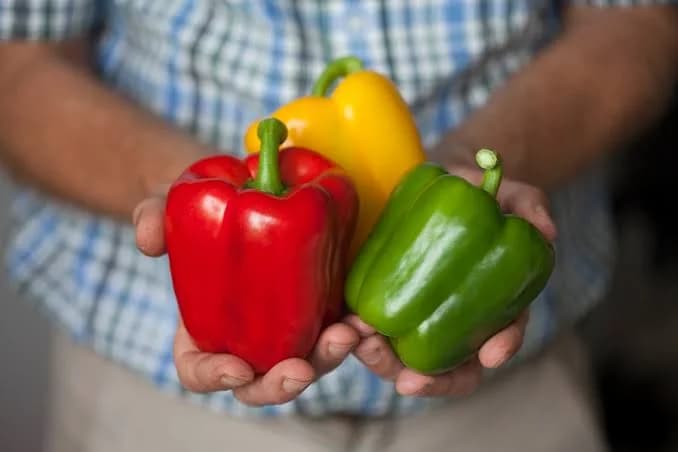
Farmer, we want to advise you to treat bell pepper farming as a commercial enterprise that requires planning, close monitoring, and proper management from the first day until harvest. Bell peppers can offer good market opportunities and income potential, but success does not depend on simply planting seeds. It depends on seed quality, healthy seedlings, soil condition, water management, nutrition, weed control, pest and disease management, as well as proper management of flowering, fruit development, harvesting, and marketing.
At CHETU AGROSOLUTION, we advise you not to wait until your plants start wilting, leaves change color, or fruits become damaged before seeking help. Good farming starts with proper planning.
1. BELL PEPPER IS A COMMERCIAL CROP — NOT A CROP TO GROW WITHOUT A PLAN
Before buying seeds, ask yourself:
What market are you targeting?
Where will you sell your produce?
What type of bell pepper do your buyers require?
Do you have reliable access to water throughout the production period?
Can you regularly manage and monitor the farm?
Do you have a plan for managing pests and diseases?
Can you harvest and handle the crop on time?
Farmer, do not start by asking only “Which seed is good?”
Start by asking:
“Which variety is suitable for my area, season, production system, and market?”
This will help you make farming decisions that match your actual conditions.
2. CHOOSE A SUITABLE SITE FOR BELL PEPPER FARMING
Bell peppers require conditions that allow the roots to develop properly while the plant receives sufficient light.
We advise you to choose a field with:
Well-drained soil.
Adequate sunlight.
Good air circulation.
Good moisture-holding capacity without prolonged waterlogging.
A suitable history of crop production.
Access to safe irrigation water when necessary.
Avoid areas where water remains stagnant for long periods.
Excess water around the root zone can reduce oxygen availability in the soil and create conditions favorable for various root problems and diseases.
3. CONDUCT A SOIL TEST BEFORE PLANTING
This is something we strongly emphasize to farmers.
Do not buy fertilizer simply because you saw another farmer using a particular type.
Soil conditions can vary significantly from one farm to another.
A soil test can help you understand factors such as:
Soil pH.
Nitrogen levels.
Phosphorus.
Potassium.
Calcium and magnesium.
Some micronutrients.
Overall soil fertility status.
Once the results are available, we can advise you on a nutrient management plan that is more appropriate for your field.
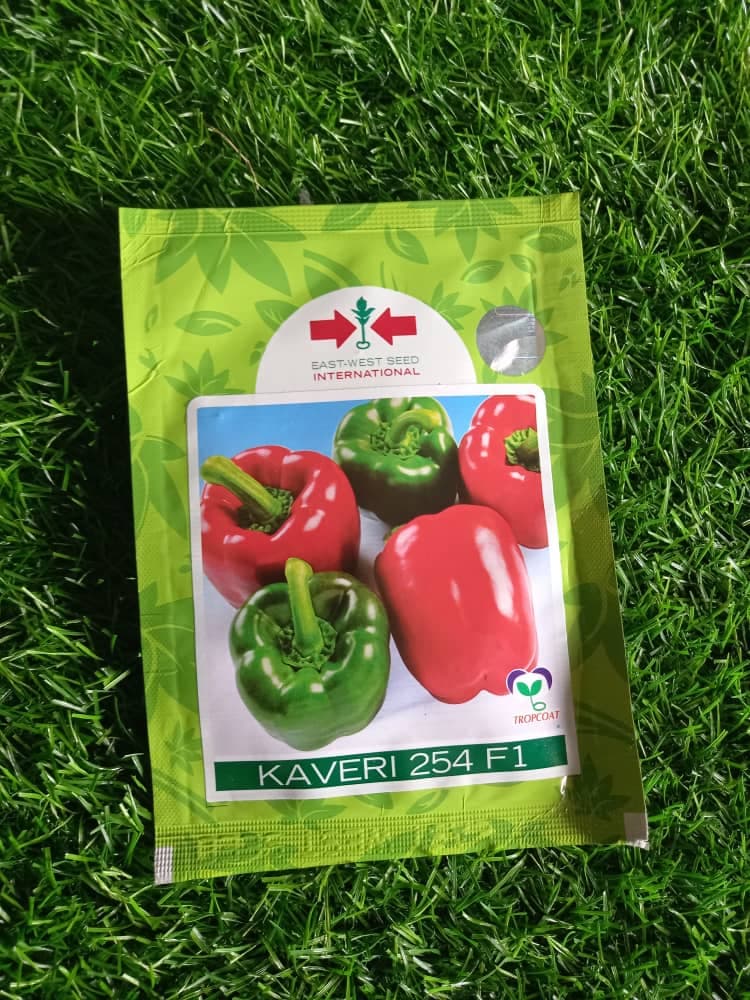
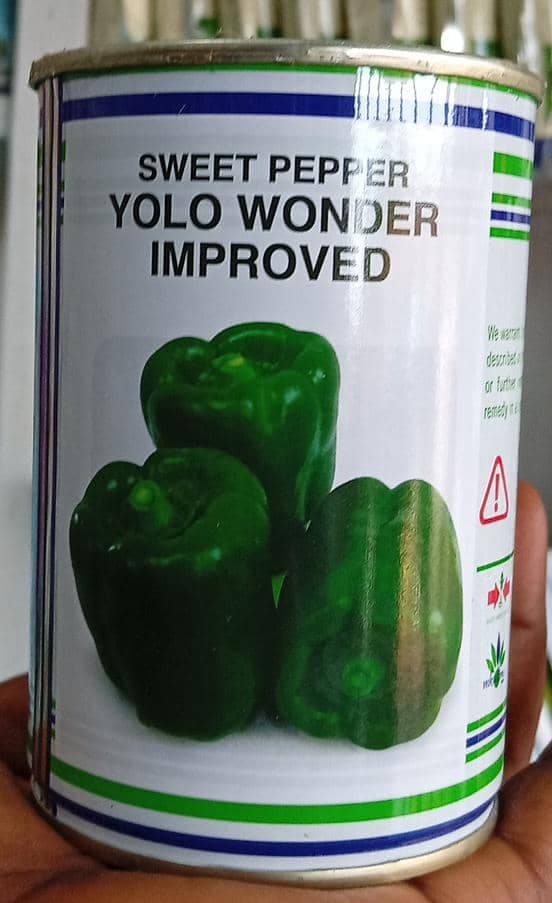
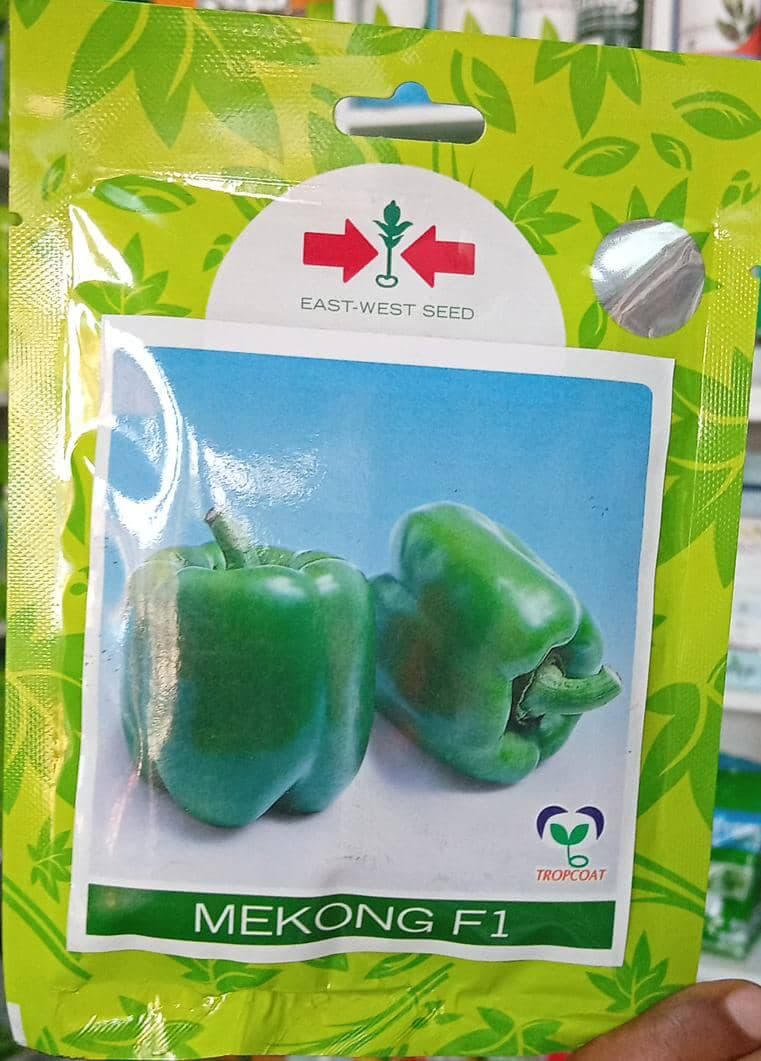
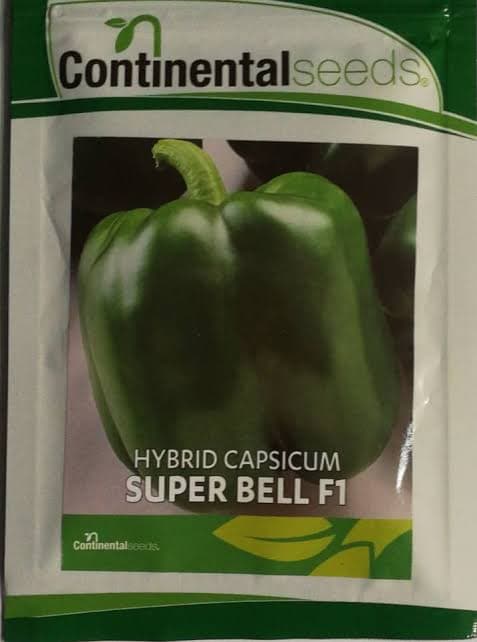
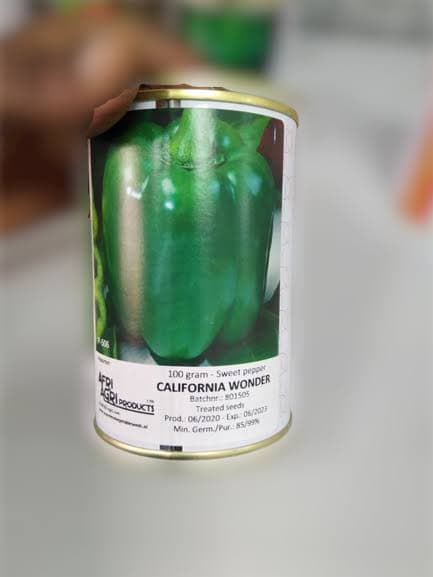
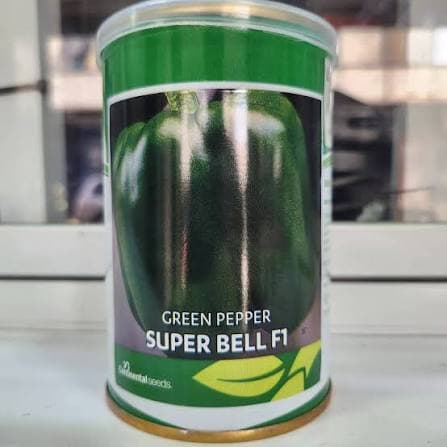
4. CHOOSE QUALITY SEEDS THAT MATCH YOUR MARKET
Farmer, do not choose seeds based on the name alone.
We advise you to consider:
Seed quality.
Germination potential.
Reliability and trustworthiness of the source.
Adaptability of the variety to your growing conditions.
Resistance or tolerance to particular challenges where such characteristics are verified for the variety.
Fruit size, shape, and color.
Market requirements.
Maturity period.
Expected production characteristics.
Do not buy seeds simply because your neighbor planted them and achieved good results.
A variety that performed well on another farm may not perform the same way on yours without considering environment, soil, water, management, and market conditions.
5. START WITH HEALTHY SEEDS AND HEALTHY SEEDLINGS
Seedlings are the foundation of your crop.
If your seedlings are unhealthy from the beginning, you may face higher production costs later.
We advise you to:
Use quality seeds.
Use a clean nursery area.
Use suitable growing media/substrate.
Avoid waterlogging in the nursery.
Protect seedlings from pests.
Keep weeds under control.
Provide sufficient light without exposing seedlings to excessive stress.
Avoid both overwatering and underwatering.
Inspect seedlings regularly.
Healthy seedlings should have good growth and a healthy root system before being transplanted into the field.
6. DO NOT TRANSPLANT SEEDLINGS BEFORE PREPARING THE FIELD
Before transplanting, the field should be ready.
We advise you to:
Remove or properly manage crop residues where necessary, especially where disease is a concern.
Control weeds.
Prepare the soil properly.
Ensure appropriate drainage where necessary.
Apply basal fertilizer according to the planned nutrient management program.
Plan planting spacing according to the bell pepper variety and production system.
Ensure the irrigation system is ready.
Do not transplant seedlings first and only then start thinking about water, fertilizer, and crop protection.
7. PLANTING SPACING MATTERS
Farmer, do not overcrowd your plants simply because you want to have more plants in a small area.
Proper spacing can help with:
Air circulation.
Light penetration.
Reducing excessive humidity around foliage.
Easier crop scouting.
Easier field management.
Reducing competition between plants for certain resources.
The appropriate spacing depends on the variety, plant growth habit, soil fertility, irrigation system, and production method.
Therefore, do not copy another farmer's spacing without understanding why it was used.
8. WATER: DO NOT UNDERESTIMATE IRRIGATION MANAGEMENT
Bell peppers require proper water management.
Insufficient water can cause plant stress and affect growth, flowering, and fruit development.
However, excessive water can lead to:
Poor oxygen availability around roots.
Favorable conditions for some root diseases.
Excessive soil moisture.
Unbalanced plant growth.
Other nutrient and root-related problems.
We advise you not to irrigate according to another farmer's schedule without considering the conditions on your own farm.
Consider:
Soil type.
Weather conditions.
Plant growth stage.
Irrigation system.
Soil moisture level.
Adequate water does not mean excessive water.
9. BELL PEPPER NUTRITION: DO NOT APPLY FERTILIZER BLINDLY
Bell peppers require several nutrients for proper growth and production.
Important nutrients include:
Nitrogen (N)
Phosphorus (P)
Potassium (K)
Calcium (Ca)
Magnesium (Mg)
Sulfur (S)
Various micronutrients.
Each nutrient has a specific role.
Nitrogen
Nitrogen supports the development of leaves and other green plant tissues.
However, more nitrogen does not necessarily mean higher yields.
Excessive nitrogen can promote excessive vegetative growth and affect the balance between vegetative growth and fruit production.
Phosphorus
Phosphorus is important for root development and energy-related processes within the plant, especially during early growth.
Potassium
Potassium supports water regulation within the plant, photosynthesis, movement of certain photosynthetic products, and crop quality.
Calcium
Calcium is important for cell formation and cell strength.
Magnesium
Magnesium is an important component of chlorophyll and is involved in photosynthesis.
Farmer, do not treat fertilizer as a medicine for disease. If your plant shows symptoms, first determine the cause. Nutrient deficiency symptoms can sometimes resemble symptoms caused by diseases, damaged roots, or water stress.
10. USE A NUTRITION PROGRAM THAT MATCHES THE GROWTH STAGES
Bell peppers should not be managed with the idea of “apply one fertilizer and wait for harvest.”
The plant's nutritional requirements change as it develops.
We advise you to plan nutrition around:
Soil preparation.
Root development.
Leaf and branch growth.
Flower initiation.
Fruit formation.
Fruit development.
Continuous harvesting.
The type and amount of fertilizer should be determined based on soil test results, fertilizer type, crop growth stage, irrigation system, and field conditions.
11. WEEDS: DO NOT ALLOW THEM TO TAKE OVER THE FIELD
Weeds compete with bell peppers for:
Water.
Nutrients.
Light.
Space.
Some weeds can also provide habitats for certain pests.
We advise you to control weeds early.
Do not wait until weeds become large and begin producing seeds.
Choose an appropriate weed management method based on your production system and professional advice.
12. PESTS: SCOUT BEFORE BUYING A PESTICIDE
Farmer, when you see leaves curling or changing color, do not immediately assume it is a disease.
The problem could be caused by:
Aphids.
Whiteflies.
Thrips.
Mites.
Cutworms.
Caterpillars.
Other pests attacking leaves, flowers, or fruits.
Some pests cause direct damage, while others may be associated with the transmission of certain diseases.
We advise you to conduct regular crop scouting.
Check:
The underside of leaves.
New shoots.
Flowers.
Young fruits.
Stems.
Growing points.
Do not wait until pests become widespread.
13. MITES AND THRIPS CAN CAUSE SERIOUS PROBLEMS
Farmer, small pests are easy to overlook because they may not be easily visible.
Thrips can damage leaves, flowers, and young plant tissues.
Mites can cause:
Changes in leaf color.
A worn or damaged appearance of leaves.
Reduced plant growth.
Leaf curling or drying under severe infestation.
We advise you not to choose a pesticide based only on symptoms.
First identify the organism causing the problem.
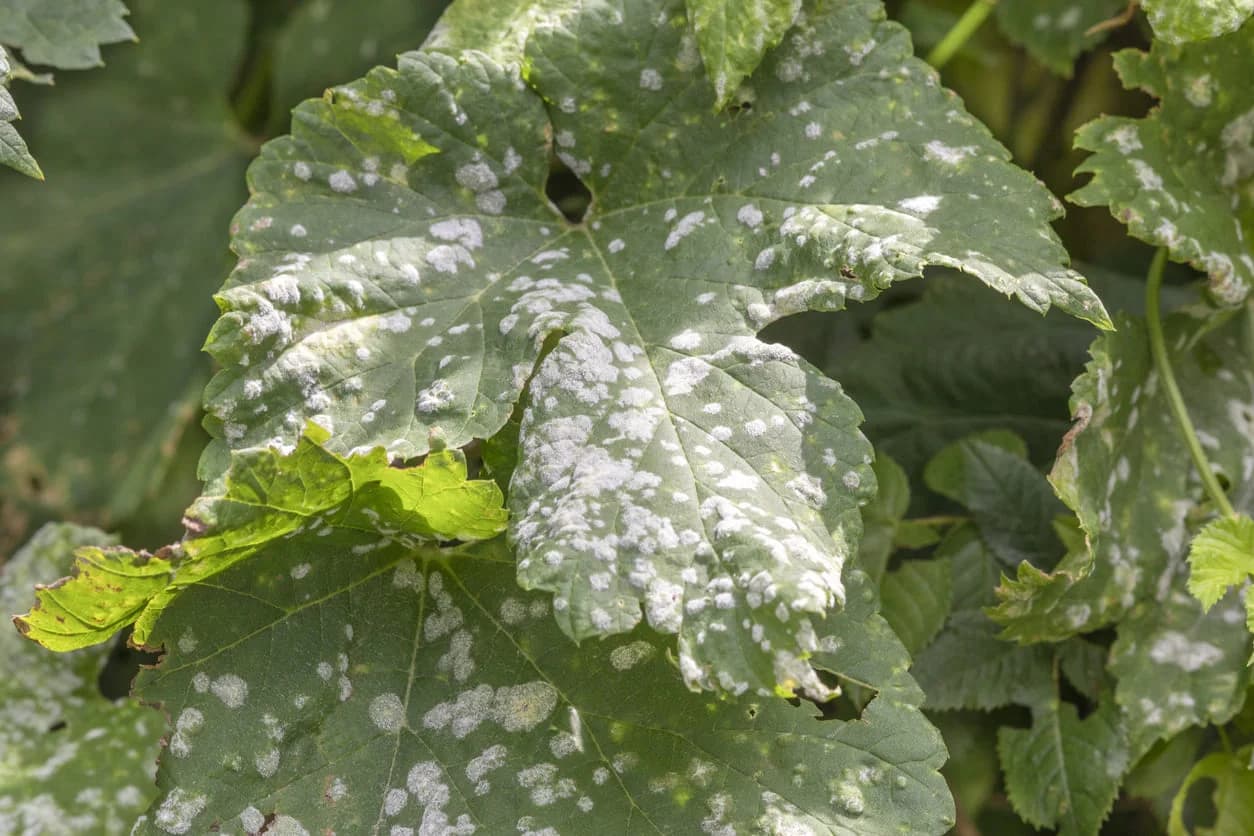
14. BELL PEPPER DISEASES: PROPER DIAGNOSIS IS IMPORTANT
Bell peppers can suffer from various diseases affecting:
Roots.
Stems.
Leaves.
Flowers.
Fruits.
These challenges may involve fungal diseases, bacterial diseases, viral diseases, and other pathogens depending on environmental conditions and production practices.
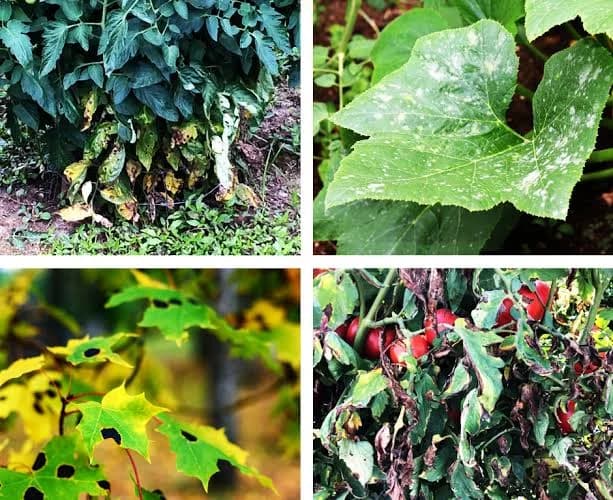
Symptoms may include:
Leaf spots.
Wilting.
Stem lesions.
Root rot.
Stunted growth.
Fruit spots or rotting.
Leaf discoloration.
Plant collapse or death.
But we emphasize one important point:
One symptom does not always mean one disease.
For example, wilting may be associated with disease, root damage, lack of water, excessive water, heat stress, or other problems.
That is why we advise you to conduct proper diagnosis before selecting a crop protection product.
15. VIRUSES: PREVENTION IS VERY IMPORTANT
Some viral diseases can be major challenges in bell pepper production.
Symptoms may include:
Leaf discoloration.
Unusual patterns or mottling.
Leaf curling.
Stunted growth.
Abnormal fruit shape or appearance.
Viral diseases often require prevention and reduction of infection sources as part of their management.
We advise you to:
Use healthy seeds and seedlings.
Manage insect pests that may be associated with the transmission of certain viruses.
Remove severely affected plants where appropriate and according to professional advice.
Control weeds.
Avoid moving tools from infected areas to clean areas without proper sanitation.
Monitor the field early.
16. ROOTS ARE THE HEART OF PRODUCTION
Farmer, sometimes we focus only on leaves and fruits and forget the roots.
Healthy roots help the plant to:
Absorb water.
Absorb nutrients.
Remain well established.
Continue growing.
Tolerate certain environmental stresses.
If plants are stunted or wilting without an obvious explanation, inspect the roots.
Look for:
Rotting.
Discoloration.
Lesions.
Poor root development.
Excessively wet soil.
Signs of soil pests.
17. DO NOT IRRIGATE SIMPLY BY FOLLOWING A FIXED SCHEDULE
Farmer, do not say:
“I irrigate every day because my neighbor does the same.”
This is not necessarily the best way to manage irrigation.
Irrigation frequency should be influenced by:
Soil type.
Temperature.
Rainfall.
Growth stage.
Irrigation system.
Water requirements.
Soil moisture conditions.
We want water management to be part of a production plan, not a matter of guesswork.
18. DO NOT FORGET TO MONITOR FLOWERING
Flowers are an important stage leading to fruit production.
Farmer, if your plant has many leaves but flowers are dropping or fruit is not developing properly, do not immediately apply more fertilizer without investigating the cause.
Possible factors include:
Water stress.
High temperatures.
Nutritional imbalance.
Pests.
Diseases.
Excessive or unbalanced vegetative growth.
Other environmental conditions.
We advise you to investigate the problem before making major changes.
19. WHEN FRUITS BEGIN TO DEVELOP, DO NOT REDUCE YOUR ATTENTION
Fruit development is a critical stage when farmers should increase field monitoring.
Continue monitoring:
Soil moisture.
Nutrition.
Pests.
Diseases.
Field sanitation.
Weeds.
Root health.
Fruit quality.
Fruits can be affected by pests, diseases, mechanical damage, excessive heat, improper moisture management, and other factors.
20. DO NOT APPLY PESTICIDES RANDOMLY
This is something we strongly emphasize at CHETU AGROSOLUTION.
Do not choose a pesticide simply because:
“My neighbor used it.”
Or:
“Someone said it kills everything.”
An agricultural product should be selected based on:
The identified problem.
The crop.
The crop growth stage.
The target pest or pathogen.
Label instructions.
Recommended application rate.
Pre-harvest interval (PHI), where applicable.
User safety.
Environmental protection.
Resistance management strategy.
Do not mix products randomly.
21. CONSIDER ACTIVE INGREDIENT ROTATION IN PEST AND DISEASE MANAGEMENT
Repeated use of products containing the same active ingredient or belonging to the same group can increase the risk of resistance in some pests or pathogens.
We advise you to:
Follow label instructions.
Use products for their intended target.
Respect recommended rates and application intervals.
Rotate active ingredient groups where appropriate.
Do not increase the dosage simply because you believe “more pesticide is better.”
A higher dose is not necessarily a better solution.
22. FIELD SANITATION IS PART OF PREVENTION
We advise you to:
Remove or properly manage diseased plant residues where appropriate.
Control weeds.
Avoid using seedlings showing disease symptoms.
Clean tools that may spread infections.
Avoid moving contaminated soil into clean areas.
Manage volunteer plants that may harbor pests or diseases.
Good field sanitation can help reduce sources of certain problems.
23. CROP ROTATION CAN HELP
If the same crop has been grown repeatedly in the same field and soil-related problems or diseases are increasing, consider an appropriate crop rotation system.
Avoid continuously planting bell peppers in the same area without considering the field history of pests and diseases.
Crop rotation should be designed according to the specific problem and the crops suitable for the rotation system.
24. HARVESTING: DO NOT LOSE ALL YOUR HARD WORK AT THE END
After investing time, money, and effort in the field, do not lose crop quality during harvesting.
We advise you to:
Harvest at the maturity stage required by your market.
Avoid bruising or injuring fruits.
Use clean containers.
Separate damaged or rotten fruits.
Avoid leaving harvested fruits under excessive heat for long periods.
Move produce to the market or suitable storage area on time.
Bell pepper quality has a major influence on its market value.
25. PRODUCTION AND MARKETING: PLAN BEFORE HARVEST
A farmer with a good business plan does not start looking for a market on the day of harvest.
We advise you to understand the following before planting:
Your buyers.
The varieties they require.
Quality standards.
Fruit size.
Desired color.
Demand periods.
Transportation costs.
Storage options.
Prices that may realistically be obtained in your market.
Do not plant a large area without assessing your market and production costs.
26. COMMON MISTAKES MADE BY BELL PEPPER FARMERS
When we work with farmers facing production challenges, we often see mistakes such as:
1. Buying seeds without understanding the market.
2. Planting without conducting a soil test.
3. Applying fertilizer blindly.
4. Over-irrigating.
5. Allowing water to remain stagnant in the field.
6. Planting at excessive density.
7. Detecting pests too late.
8. Applying pesticides without identifying the problem.
9. Mixing pesticides without professional guidance.
10. Failing to keep farm records.
11. Having no clear marketing plan.
12. Waiting until a disease has spread before taking action.
Farmer, early prevention and early diagnosis are often easier and less costly than managing a problem after it has become widespread.
27. SCOUT YOUR FIELD REGULARLY
We advise you not to visit your farm only when irrigating or harvesting.
Visit the field with the specific purpose of monitoring crop health.
Check:
New leaves.
Undersides of leaves.
Flowers.
Fruits.
Stems.
Roots when necessary.
Weeds.
Pests.
Color changes.
Stunted plants.
Repeated problem areas.
If you notice a problem affecting only a few plants, investigate early before it spreads.
28. WHEN YOU SEE A PROBLEM, DO NOT SPRAY IMMEDIATELY
Farmer, before applying any product, ask yourself:
What is the problem?
Then:
What is causing it?
Then:
What is the appropriate management action?
For example, plant wilting can result from:
Lack of water.
Excessive water.
Root rot.
Vascular disease.
Pests.
Heat.
Compacted soil.
Root damage.
Nutritional problems.
If you do not know the cause, you may spend money on a product that does not target the actual problem.
29. WE CAN HELP YOU SOLVE CHALLENGES ON YOUR FARM
At CHETU AGROSOLUTION, we do not want farmers to come to us only to buy products.
We also want to help you understand why a problem has occurred and what steps can be taken to manage it.
We provide support in areas such as:
Seed selection.
Agricultural input selection.
Crop nutrition planning.
Identification of pest and disease challenges.
Guidance on proper product use.
Farm management.
Advice according to crop growth stages.
Troubleshooting problems that arise in the field.
For our customers, we also provide professional agronomic advice according to their needs.
30. WHEN YOU CONTACT US, PROVIDE US WITH INFORMATION ABOUT YOUR FARM
Farmer, the information you provide can help us give you more appropriate advice.
Tell us:
Which bell pepper variety are you growing?
What growth stage is the crop in?
When did you plant it?
What type of soil do you have?
What irrigation system are you using?
Which fertilizers have you applied?
What symptoms have you observed?
When did the symptoms begin?
Are only a few plants affected or is the entire field affected?
Which products have you already used?
What has the weather been like?
If possible, provide photos showing the problem.
The more accurate information we receive, the better we can guide you.
31. DO NOT WAIT UNTIL THE FARM HAS A MAJOR PROBLEM
We advise you to contact us early.
If you are still preparing your field, we can advise you on:
Seed → Nursery → Field preparation → Planting → Nutrition → Irrigation → Weed management → Pests → Diseases → Flowering → Fruit development → Harvesting → Marketing.
This is the approach we want farmers to adopt.
32. AT CHETU AGROSOLUTION, WE ADVISE YOU TO FARM WITH A PLAN
Farmer, bell pepper is not a crop that should simply be left to grow on its own.
We want you to monitor it.
We want you to know:
What you planted.
Why you planted it.
What you applied.
Why you applied it.
When the problem started.
What you did to manage it.
What the result was.
How much you spent.
How much you sold.
We advise you to keep farm records. These records will help you make better decisions in the next production season.
33. CONCLUSION: BELL PEPPER FARMING REQUIRES MANAGEMENT, NOT LUCK
Farmer, bell pepper farming can be a good business opportunity when you start with the right plan.
Do not start with pesticides. Start with a plan.
Start with:
Right site → Soil testing → Quality seeds → Healthy seedlings → Proper field preparation → Appropriate spacing → Proper water management → Planned nutrition → Weed management → Scouting → Pest and disease management → Flower and fruit management → Proper harvesting → Marketing.
At CHETU AGROSOLUTION, we are ready to stand with you throughout these stages.
Whenever you need seeds, fertilizers, crop protection products, other agricultural inputs, agronomic advice, or help solving a challenge occurring on your farm, we advise you to visit us or contact us.
Visit CHETU AGROSOLUTION — chetuagro.com or contact us for support that matches the needs of your farm.
CHETU AGROSOLUTION — Better Inputs, Better Harvests, Better Lives.
Farmer, do not wait until a problem becomes serious. Let us start solving it early.