CASHEW FARMING: A COMPREHENSIVE GUIDE FOR FARMERS
By CHETU AGROSOLUTION · 5 October 2026
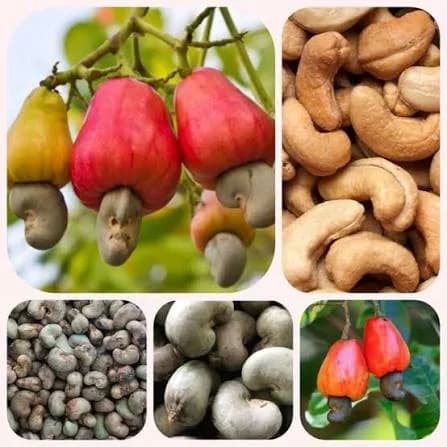
HOW TO ESTABLISH, MANAGE, NUTRITIONALLY SUPPORT, PROTECT AND HARVEST QUALITY CASHEWS
Farmer, cashew farming offers a valuable income opportunity, but success does not depend on simply planting cashew trees. You need to plan your farm from site selection, choosing quality seeds or seedlings, land preparation, planting, spacing, plant nutrition, weed management, pest and disease control, pollination, nut development, harvesting and post-harvest handling.
At CHETU AGROSOLUTION, we want to advise you not to look at cashew as a crop that you simply plant and wait to harvest. Treat your cashew farm as a long-term business that requires planning, regular monitoring and the right decisions every season.
A farmer who waits until a problem becomes severe before looking for a solution may spend much more than a farmer who monitors the farm early.
In this article, we provide a step-by-step guide covering:
Choosing a suitable location for cashew farming.
Selecting quality seeds and seedlings.
Land preparation.
Planting.
Plant spacing.
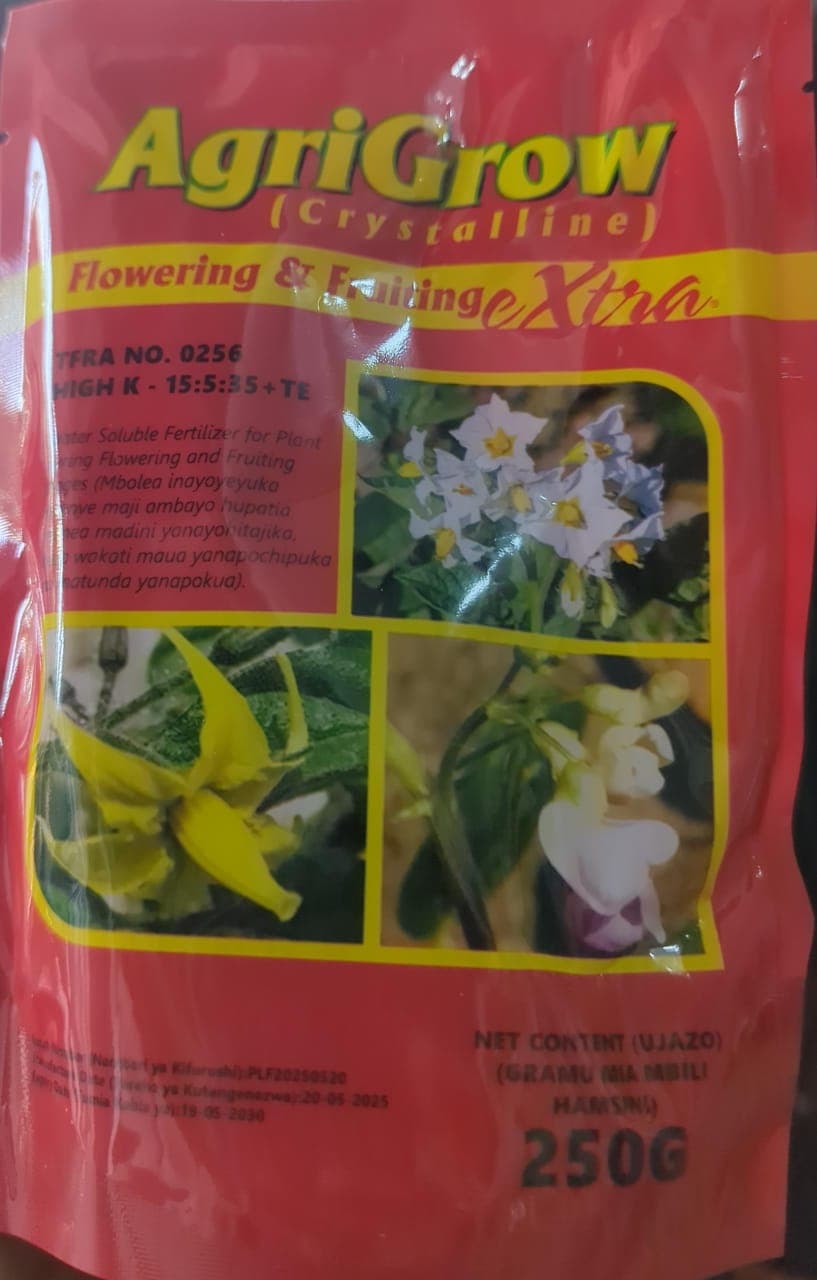
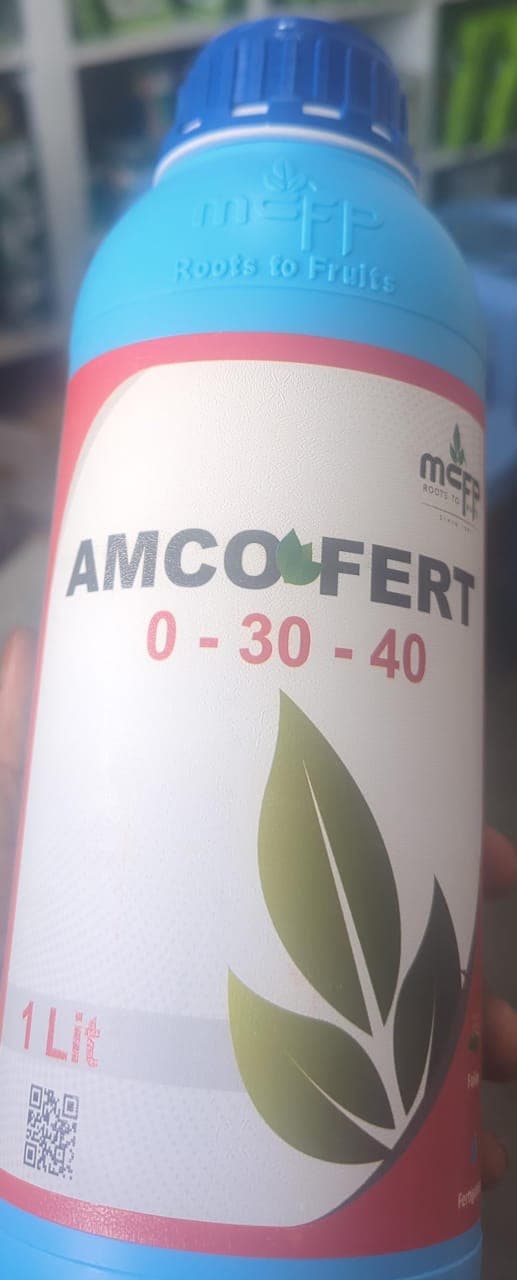
Fertilizer and plant nutrition.
Water management and moisture conservation.
Pruning and canopy management.
Weed management.
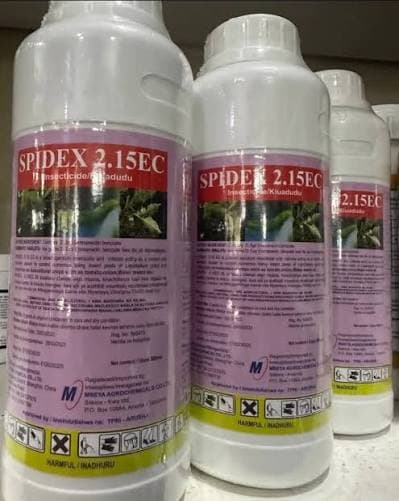
Cashew pests.
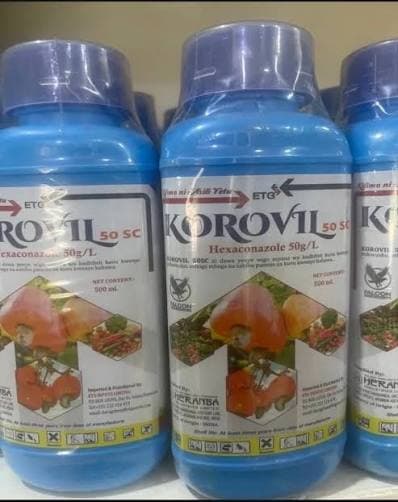
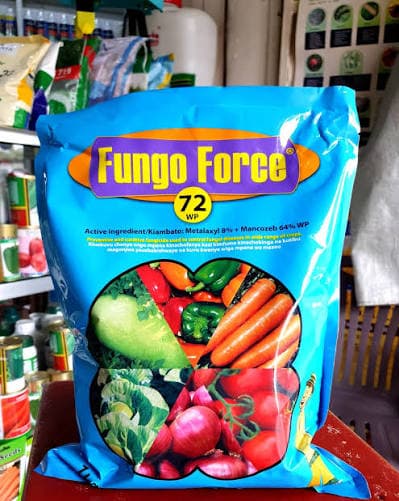
Cashew diseases.
Pollination and flower management.
Nut development.
Harvesting.
Post-harvest handling.
Common farmer mistakes.
How CHETU AGROSOLUTION can support you.
1. CASHEW IS A BUSINESS CROP — NOT JUST A TREE TO PLANT
Farmer, before establishing a cashew farm, ask yourself:
What is my production goal?
Are you producing:
For household use?
To sell raw cashew nuts?
To establish a long-term commercial farm?
To add value to your produce in the future?
Your answers will help you plan the farm size, planting material, establishment costs, management practices and market strategy.
Cashew is a long-term crop. Therefore, mistakes made when establishing the farm can affect you for many years.
We advise you not to rush into planting large numbers of trees without having a clear farm plan.
2. CHOOSE A SUITABLE SITE FOR CASHEW
Before buying seeds or seedlings, assess your land.
Cashew generally performs better in environments with:
Suitable climatic conditions.
Well-drained soils.
No prolonged waterlogging.
Adequate sunlight.
Limited risk of severe flooding.
Soil conditions that allow healthy root development.
Farmer, avoid establishing cashew trees in areas where water remains stagnant for long periods.
Excess moisture around the root zone can reduce root health and increase the risk of root-related diseases.
Remember: not every site is equally suitable. Before making a major investment, we advise you to assess the site and soil conditions.
3. SOIL TESTING IS IMPORTANT
Farmer, do not apply fertilizers simply because that is what you have always done.
Your soil may have:
Low nitrogen.
Low phosphorus.
Low potassium.
Calcium or magnesium imbalance.
Unsuitable pH.
Salinity problems.
Or adequate nutrients that are not being effectively taken up by the plant.
That is why soil testing is an important part of planning your farm nutrition program.
Soil-test results can help you plan:
The appropriate fertilizer type.
The amount required.
Application timing.
Soil amendments where necessary.
Nutrient management according to actual field conditions.
4. CHOOSE QUALITY SEEDS OR SEEDLINGS
Farmer, this is where the foundation of your farm is established.
Do not choose seeds or seedlings simply because they are cheap or because a neighbor is using them.
We advise you to consider:
The source of the planting material.
Its quality.
Whether the variety is suitable for your area.
The health of the seedlings.
The reliability of the supplier.
Characteristics of the selected variety.
Production potential.
Tolerance or resistance to particular challenges where available.
Do not plant seedlings showing signs of disease.
Seedlings with poor roots, badly damaged stems, pest damage or disease symptoms can introduce problems into the farm from the beginning.
Quality planting material is an investment, not an unnecessary expense.
5. PREPARE THE FARM BEFORE PLANTING
Do not wait until planting day to begin preparing the farm.
We advise you to:
Step One:
Clear and prepare the land while considering soil conservation.
Step Two:
Identify areas where water may accumulate.
Step Three:
Plan your planting rows.
Step Four:
Measure the planting distances accurately.
Step Five:
Prepare planting holes or planting areas according to the production system and soil conditions.
Step Six:
Plan your weed-management strategy.
Step Seven:
Plan how fertilizers and other inputs will be transported and applied.
Farmer, do not leave farm layout and planning until after the trees have already been planted.
6. CASHEW TREE SPACING
Spacing between cashew trees is important because as trees grow they need:
Sunlight.
Air circulation.
Root space.
Branch space.
Adequate room for farm operations.
Space for farm equipment where applicable.
The appropriate spacing depends on:
The cashew variety.
Soil conditions.
Production system.
Climate.
Production objectives.
Pruning practices.
Soil fertility.
Therefore, do not copy the spacing used by another farmer without first determining whether your conditions are similar.
7. PLANTING TIME
Planting should be timed to coincide with adequate soil moisture.
We advise you to:
Plant when sufficient moisture is available.
Avoid planting in extremely dry soil unless you have a reliable irrigation plan.
Do not leave seedlings exposed to strong sunlight for long periods before planting.
Handle roots carefully.
Do not plant severely damaged seedlings.
Ensure the seedling is properly positioned after planting.
After planting, continue monitoring the young trees until they are well established.
8. WATER MANAGEMENT
Farmer, water is essential, but both too much water and too little water can become problems.
Young cashew trees require particular attention during dry periods.
We advise you to:
Monitor soil moisture.
Do not irrigate automatically without checking soil conditions.
Prevent waterlogging.
Maintain good drainage.
Protect roots from prolonged excessive moisture.
A farm located in an area with reliable rainfall will have different water-management requirements from a farm in a dry area or an area with unreliable rainfall.
9. CASHEW TREE NUTRITION
Cashew trees require nutrients for healthy growth, branches, leaves, flowers and ultimately nut production.
Important nutrients include:
Nitrogen (N).
Phosphorus (P).
Potassium (K).
Calcium.
Magnesium.
Sulfur.
Micronutrients.
But we want to give you an important warning:
Do not apply fertilizers blindly.
A young tree does not have the same nutrient requirements as a mature, productive tree.
Nutrient requirements can also change according to:
Tree age.
Production level.
Soil type.
Rainfall.
Farm management system.
Leaf condition.
Soil-test results.
10. NITROGEN IN CASHEW PRODUCTION
Nitrogen supports plant growth, leaf development and branch growth.
However, more nitrogen does not necessarily mean higher yields.
Excessive nitrogen can encourage excessive vegetative growth when the farmer also needs balanced nutrition to support productive growth.
Therefore, we advise you:
Do not increase nitrogen simply because the tree does not appear to be growing quickly.
First investigate the actual reason for poor growth.
11. PHOSPHORUS IN CASHEW PRODUCTION
Phosphorus is important in several plant processes, including root development and energy-related processes within the plant.
However, phosphorus application should be based on soil conditions and crop needs.
Do not apply excessive phosphorus without a clear reason.
Soil testing can help determine whether additional phosphorus is needed.
12. POTASSIUM AND CASHEW QUALITY
Potassium plays an important role in water regulation, photosynthesis and the movement of photosynthetic products within plants.
It is also an important part of a balanced nutrition program aimed at maintaining healthy plants and good production.
But we emphasize:
Potassium is not a disease-control product.
Do not apply potassium expecting it to cure a cashew disease.
Plant nutrition should be part of a broader farm-management strategy.
13. USING MANURE AND ORGANIC MATERIALS
Well-decomposed manure and compost can help improve soil organic matter and certain soil properties.
However:
Do not apply fresh manure directly around roots without proper management.
Manure should be properly decomposed before use.
We also advise you to consider:
The source of the manure.
Its level of decomposition.
Soil conditions.
Crop requirements.
Soil-test results where available.
14. WEED MANAGEMENT
Weeds compete with cashew trees for:
Water.
Nutrients.
Light.
Space.
This competition can be particularly important for young trees.
We advise you to:
Inspect the farm regularly.
Control weeds before they become excessive.
Choose an appropriate control method according to tree age and farm conditions.
Avoid damaging the tree trunk during weeding.
Avoid deep cultivation close to trees that could damage roots.
15. CASHEW TREE PRUNING
Pruning is an important part of cashew tree management.
Proper pruning can help us to:
Develop a good tree structure.
Remove dead branches.
Remove severely affected branches.
Improve light penetration within the canopy.
Improve air circulation.
Make farm operations easier.
Maintain a manageable tree structure.
However, do not cut branches randomly.
Excessive pruning can affect tree growth and production.
16. CASHEW PESTS
Farmer, pests can reduce production by attacking:
Leaves.
Shoots.
Flowers.
Young nuts.
Fruits.
Stems or other plant parts.
Pest problems can vary depending on:
Location.
Season.
Weather conditions.
Farm age.
Cashew variety.
Farm-management practices.
That is why we advise:
Do not buy a pesticide simply because your neighbor used it.
First identify the pest.
17. SCOUT THE FARM BEFORE USING PESTICIDES
We advise farmers to carry out regular scouting.
Inspect:
Leaves.
Shoots.
Flowers.
Young nuts.
Stems.
The underside of leaves.
Signs of insect droppings.
Holes.
Spots.
Distorted leaves.
Chewed plant parts.
If you identify a pest early, you can develop an appropriate management plan before the problem spreads widely.
18. CASHEW DISEASES
Cashew trees can be affected by different diseases depending on environmental and seasonal conditions.
Farmers may encounter problems affecting:
Leaves.
Flowers.
Shoots.
Branches.
Stems.
Young nuts.
Roots.
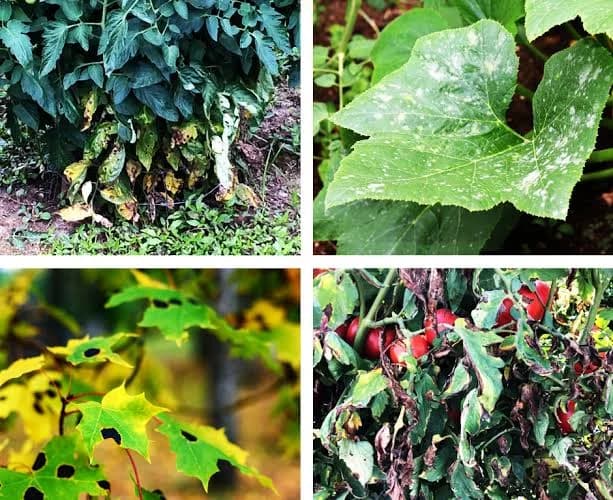
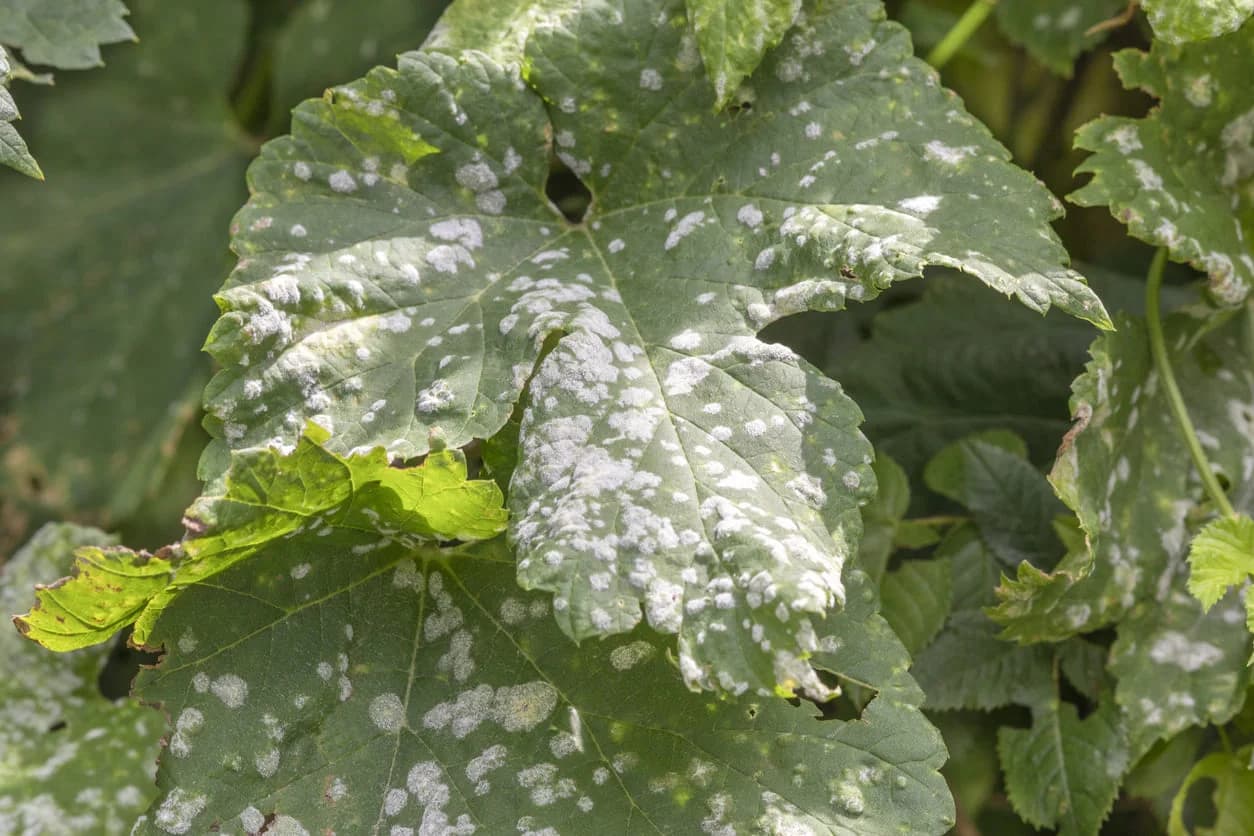
Symptoms may include:
Leaf spots.
Drying of plant parts.
Lesions.
Rot.
Discoloration.
Flower damage.
Premature nut drop.
Branch dieback.
Do not use a fungicide simply because a leaf has changed color.
Leaf spots may be caused by different diseases, pests, nutritional problems or environmental stress.
19. FLOWER DISEASES AND FLOWER MANAGEMENT
Flowers are a critical stage in cashew production.
Diseases or unfavorable environmental conditions during flowering can affect:
The number of healthy flowers.
Pollination.
Nut formation.
The number of nuts that reach harvest.
We advise farmers to monitor their orchards closely during flowering.
Do not wait until nuts are damaged before investigating where the problem started.
20. POLLINATION AND BEES
Pollination is important for fruit and nut formation.
Bees and other insects can play an important role in pollination.
Therefore, we advise farmers to:
Protect beneficial organisms in the farm.
Avoid unnecessary pesticide applications during pollination activity.
Monitor the flowering period.
Use crop-protection products according to label instructions while considering pollinator safety.
Do not use pesticides without considering their potential effects on beneficial organisms in your orchard.
21. WEEDS AND PESTS CAN REDUCE PRODUCTION
A farmer may look at a tree and say:
“The tree has many leaves, so it will produce a lot.”
Not necessarily.
Production depends on the entire system:
Roots + nutrition + water + leaves + flowers + pollination + plant health + environment + farm management.
That is why we emphasize whole-farm management.
22. WHEN CASHEW NUTS BEGIN TO DEVELOP
Farmer, after flowering and pollination, do not leave the orchard without monitoring.
Check:
Young nuts.
Signs of pests.
Disease symptoms.
Water conditions.
Nutrition.
Fruit-bearing branches.
Weed pressure.
If many young nuts are dropping, do not immediately conclude that it is one particular disease.
Look for the underlying cause.
It may involve:
Pests.
Diseases.
Environmental stress.
Nutrition.
Poor or incomplete pollination.
Plant stress.
23. FARM MANAGEMENT DURING DRY CONDITIONS
Drought can affect:
Growth.
Flowering.
Fruit development.
Leaf health.
Root function.
Farmers should manage soil moisture using practices suitable for their local conditions.
These may include:
Good weed management.
Mulching where appropriate.
Improving soil organic matter through proper practices.
Irrigation where feasible and necessary.
Protecting the soil from erosion.
24. CASHEW HARVESTING
Do not rush to harvest simply because the fruits have started changing color.
Harvest should follow the appropriate maturity stage.
Under common harvesting systems, when the cashew fruit reaches maturity, the cashew apple and nut can be separated appropriately according to the harvesting system being used.
We advise you to:
Avoid mixing produce of different quality without a management plan.
Avoid harvesting produce with excessive contamination.
Avoid harvesting practices that damage the trees.
Check produce quality during harvesting.
25. DRYING CASHEWS AFTER HARVEST
After harvesting, cleanliness and proper drying are important for maintaining quality.
We advise you to:
Remove foreign materials.
Avoid mixing rotten produce with good-quality nuts.
Dry the nuts properly.
Protect the produce from moisture.
Use a clean and suitable drying area.
Store the nuts in a way that reduces the risk of moisture re-entering the produce.
Quality cashews begin with good field management, but quality can still be lost after harvesting if the produce is handled poorly.
26. STORE CASHEWS PROPERLY
When storing cashew nuts, pay attention to:
A dry storage area.
Cleanliness.
Good ventilation.
Protection from storage pests.
Protection from moisture.
Separation of damaged or poor-quality produce.
Do not place bags directly on a damp floor.
Also avoid storage areas where water can leak onto the produce.
27. COMMON MISTAKES MADE BY CASHEW FARMERS
At CHETU AGROSOLUTION, we believe some challenges could be reduced if farmers avoided the following mistakes:
MISTAKE ONE:
Planting seedlings without knowing their quality.
MISTAKE TWO:
Establishing a farm without a clear plan.
MISTAKE THREE:
Failing to test the soil.
MISTAKE FOUR:
Applying fertilizers based on habit.
MISTAKE FIVE:
Ignoring weeds.
MISTAKE SIX:
Failing to prune trees appropriately.
MISTAKE SEVEN:
Waiting until a disease becomes severe.
MISTAKE EIGHT:
Using pesticides without identifying the problem.
MISTAKE NINE:
Buying pesticides simply because another farmer used them.
MISTAKE TEN:
Ignoring post-harvest quality.
28. DO NOT ONLY ASK, “WHICH PESTICIDE?”
Farmer, we want to change the way we think about farming.
Instead of asking only:
“Which pesticide should I use?”
Ask:
“What exactly is the problem?”
Then:
“What is causing it?”
And finally:
“How can I prevent it from happening again?”
This is the foundation of sustainable crop production.
29. HOW CAN CHETU AGROSOLUTION HELP YOU?
At CHETU AGROSOLUTION, we aim to be your production partner, not simply a place where you buy agricultural inputs.
We can support you with:
SEEDS
Access to seeds and planting materials according to your production needs and availability.
AGRICULTURAL INPUTS
Access to agricultural inputs suitable for your farm requirements.
AGRONOMIC ADVICE
We help farmers plan fertilizer, seed and crop-protection product use according to the crop and the challenge affecting the farm.
PROBLEM SOLVING
If you notice pests, diseases, poor growth or another farm challenge, we encourage you to contact us early.
FARM EXPERTISE
We help farmers understand the problem and take action based on a plan rather than guesswork.
30. FARMER, DO NOT WAIT UNTIL THE PROBLEM BECOMES SEVERE
When a plant first shows mild symptoms, it is easier to investigate:
Where the problem started.
How quickly it is spreading.
Which part of the orchard is affected.
Which management options may be appropriate.
But if a farmer waits until:
Many trees are affected.
Leaves have dried.
Flowers have been damaged.
Nuts have dropped.
Roots have rotted.
the cost and difficulty of solving the problem may increase.
We encourage you to contact us early.
31. IMPORTANT INFORMATION TO PROVIDE WHEN SEEKING ADVICE
Farmer, when you contact us about a cashew problem, help us by providing information such as:
Farm location.
Age of the cashew trees.
Cashew variety.
The problem you are seeing.
When the symptoms started.
Whether a few or many trees are affected.
Whether the problem is on leaves, flowers, stems, roots or nuts.
Rainfall conditions.
Irrigation system, if available.
Fertilizers used.
Pesticides or other crop-protection products used.
History of the problem in the orchard.
Photos of the symptoms, if available.
The more accurate information we receive, the better we can guide you.
32. CASHEW IS A LONG-TERM INVESTMENT
Farmer, do not focus only on today's costs.
When you plant a cashew seedling, you are creating a long-term investment.
Therefore:
Quality planting material today → a stronger farm foundation tomorrow.
Healthy soil today → a better root environment tomorrow.
Correct nutrition today → better growth tomorrow.
Early scouting today → earlier problem detection tomorrow.
Good management today → better production potential in the future.
33. KEEP FARM RECORDS
We advise farmers to keep farm records.
Record:
Planting date.
Type of planting material.
Number of trees.
Fertilizers used.
Application dates.
Crop-protection products used.
Problems observed.
Date the problem started.
Production levels.
Costs.
Income.
Seasonal challenges.
These records will help you make better decisions in the following season.
34. OUR ADVICE TO A FARMER WHO WANTS TO START CASHEW FARMING
If you have not started yet, we advise you to follow these steps:
STEP 1
Choose a suitable site.
STEP 2
Assess and test the soil.
STEP 3
Plan the business and market.
STEP 4
Choose quality seeds or seedlings from a reliable source.
STEP 5
Prepare the farm properly.
STEP 6
Plan spacing and the orchard layout.
STEP 7
Plant at the appropriate time.
STEP 8
Manage water and weeds.
STEP 9
Plan nutrition according to crop needs.
STEP 10
Scout the orchard regularly.
STEP 11
Manage pests and diseases systematically.
STEP 12
Prune when necessary.
STEP 13
Manage flowering and nut development.
STEP 14
Harvest at the appropriate stage and maintain cleanliness.
STEP 15
Dry and store the produce properly.
STEP 16
Keep records and evaluate the business.
35. CONCLUSION: FARM CASHEWS WITH A PLAN
Farmer, cashew farming can be an important source of income, but success does not come simply from planting trees and leaving them unattended.
You need:
Quality planting material.
Healthy soil.
Proper nutrition.
Good water management.
Effective weed management.
Correct pruning.
Regular monitoring of pests and diseases.
Proper harvesting.
Good post-harvest handling.
And above all:
THE RIGHT DECISION AT THE RIGHT TIME.
At CHETU AGROSOLUTION, we want to be part of your production journey.
Do not wait until the problem becomes severe before seeking help.
If you need seeds, agricultural inputs, agronomic advice or assistance in solving challenges on your farm, visit CHETU AGROSOLUTION or contact us.
CHETU AGROSOLUTION — chetuagro.com
CHETU AGROSOLUTION
BETTER INPUTS, BETTER HARVESTS, BETTER LIVES.
Farmer, do not farm by guesswork.
FARM WITH A PLAN.
FARM WITH KNOWLEDGE.
FARM WITH THE RIGHT ADVICE.
CHETU AGROSOLUTION — WE FARM TOGETHER WITH YOU.