BELL PEPPER FARMING PER ACRE
By CHETU AGROSOLUTION · 6 October 2026
Farmer, bell pepper is a valuable vegetable crop with good market opportunities in fresh produce markets, hotels, restaurants, supermarkets and other food businesses. However, achieving good yields does not depend on planting seeds alone. We need to manage the crop properly through every stage: nursery establishment, soil preparation, transplanting, irrigation, nutrition, weed management, pest and disease control, flowering, fruit development and harvesting.
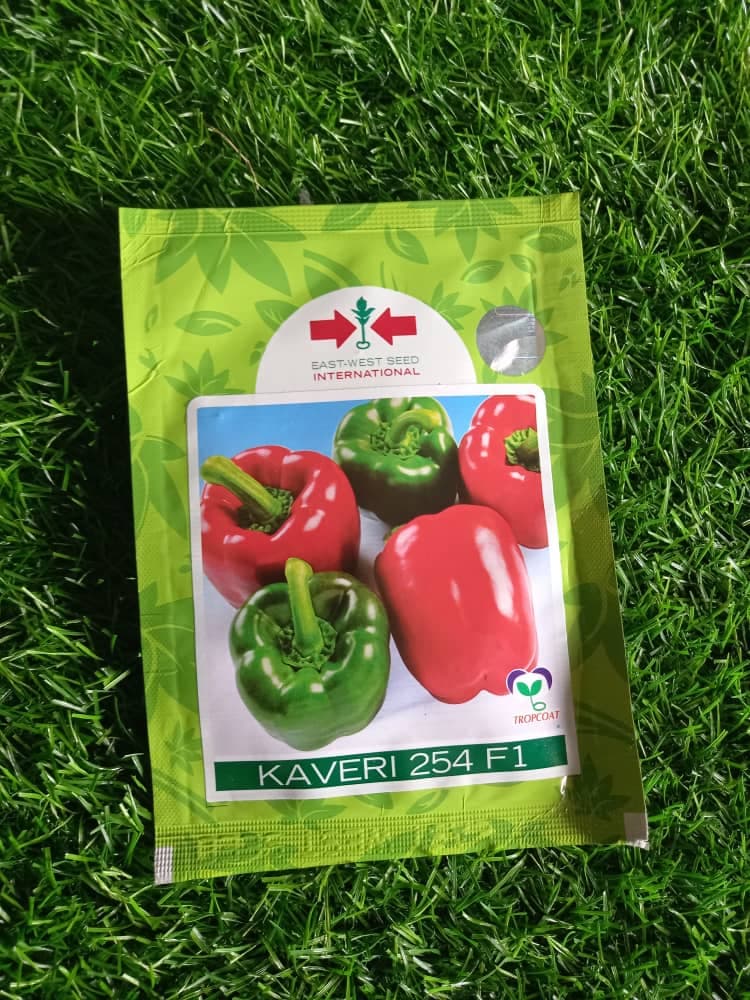
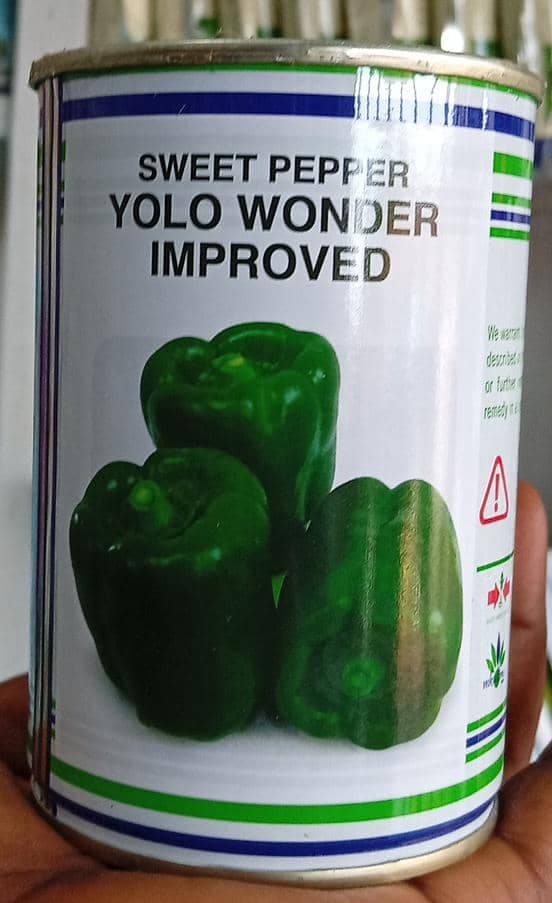
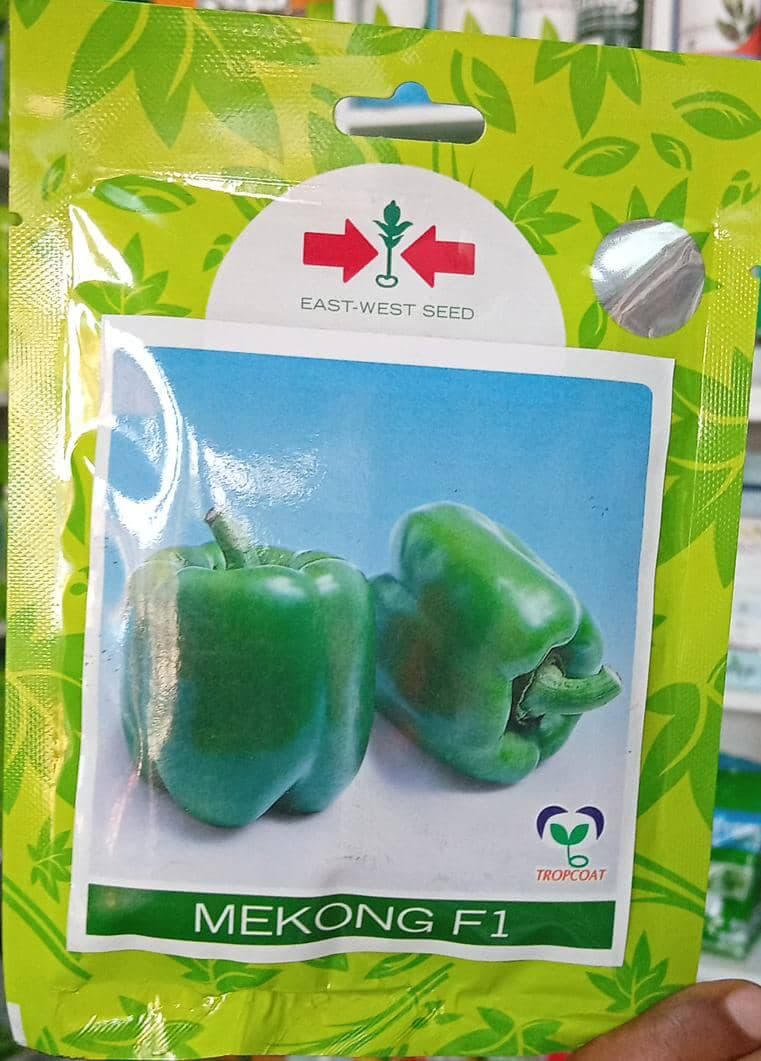
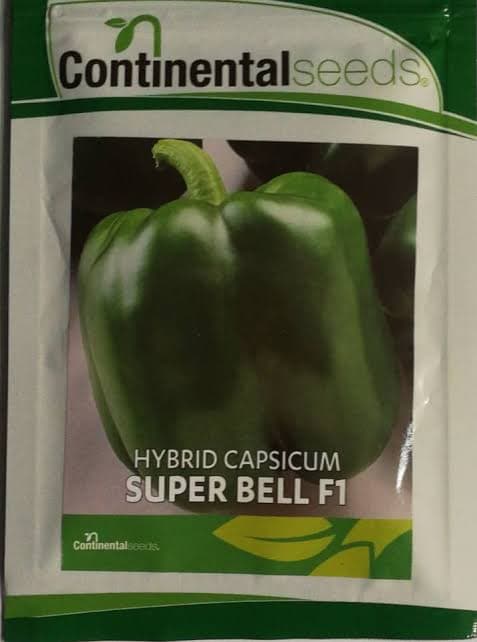
At CHETU AGROSOLUTION, we advise you to start with a clear production plan before purchasing inputs. First identify your market, choose a suitable variety, test your soil, and then develop a proper nutrition and crop-protection program.
Important: The fertilizer rates provided below are indicative rates for one acre, not a universal prescription. For greater accuracy, fertilizer rates should be adjusted according to soil-test results, soil type, variety, irrigation system and yield target. Different fertilizer formulations also contain different nutrient percentages.
1. BEFORE PLANTING: PLAN YOUR BUSINESS FIRST
Do not plant bell peppers without knowing where you will sell them.
Before starting, ask yourself:
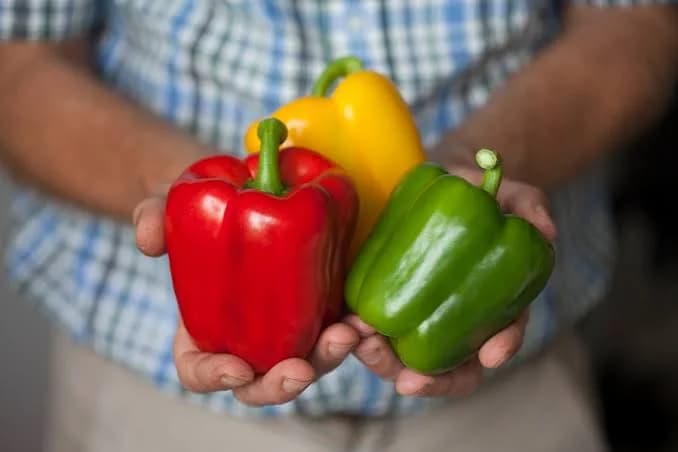
Will I sell the peppers while green or after they mature and develop their final color?
Where is my target market?
What fruit color does my market require?
What fruit size does the buyer prefer?
Will I sell wholesale or retail?
Do I have enough water throughout the production period?
Do I have the capacity to manage pests and diseases?
Bell pepper requires good water and nutrient management. Large fluctuations in soil moisture can contribute to production problems and reduce fruit quality.
2. CHOOSE THE RIGHT FIELD
Choose a field with:
well-drained soil;
no prolonged waterlogging;
adequate sunlight;
reliable irrigation water;
no repeated history of tomatoes, peppers, eggplants or closely related crops.
We strongly recommend crop rotation to reduce the buildup of soil-borne pests and diseases.
Bell peppers generally perform well in well-drained soils. A soil pH of approximately 6.0–6.8 is a useful target, although the ideal range can vary depending on soil conditions and nutrient availability.
3. TEST THE SOIL BEFORE PLANTING
Farmer, do not apply fertilizer blindly.
Collect representative soil samples from different parts of the field and submit them to a reliable laboratory.
Important tests include:
pH;
Nitrogen (N);
Phosphorus (P);
Potassium (K);
Organic matter;
Calcium;
Magnesium;
Sulphur;
and micronutrients where necessary.
The results help us determine which nutrients are needed and in what amounts.
Do not assume that more fertilizer automatically means higher yields.
Excessive nitrogen can encourage excessive vegetative growth and may interfere with balanced flowering and fruit production.
4. NURSERY PREPARATION
Week 0
Prepare a nursery with:
fine, well-prepared growing media;
good drainage;
light shade;
clean water;
protection from animals and pests.
Avoid using soil from an area with a history of serious root diseases.
Seedling trays can be used to produce uniform seedlings with good root systems and reduce transplanting shock.
5. SOWING THE SEEDS
Use quality seed from a reliable source.
Sow the seeds at a relatively shallow depth and avoid burying them too deeply.
After sowing:
maintain adequate moisture;
prevent waterlogging;
protect the nursery from excessive sunlight;
monitor germination;
remove seedlings showing disease symptoms.
For commercial production, bell pepper seedlings are commonly raised for approximately 4–8 weeks before transplanting, depending on environmental conditions and the production system.
6. SEEDLING MANAGEMENT IN THE NURSERY
Weeks 2–5/8
A good seedling should have:
healthy green leaves;
a strong stem;
balanced growth;
no visible pest damage;
no disease symptoms;
a healthy root system.
Do not overwater.
At the same time, do not allow seedlings to suffer prolonged water stress.
Remember
Weak seedlings transplanted into the field may result in:
slow establishment;
delayed flowering;
increased susceptibility to pests and diseases;
reduced yields.
7. FIELD PREPARATION
Begin field preparation early, before the seedlings are ready for transplanting.
Do the following:
Remove diseased crop residues.
Plough and prepare the soil.
Prepare raised beds where appropriate.
Ensure proper drainage.
Apply well-decomposed manure or compost.
Install drip irrigation if possible.
Manure/Compost
Where soil organic matter is low, you may use approximately:
5–10 tonnes of well-decomposed manure or compost per acre.
This is a general guideline because manure quality varies considerably. Do not apply fresh manure directly around young plant roots.
8. PLANTING SPACING
For one acre, spacing can be adjusted according to the variety, plant growth habit, irrigation system and production method.
A practical range is:
Standard system
Between rows: 60–90 cm
Between plants: 30–45 cm within the row.
This may result in approximately 10,000–15,000 plants per acre, depending on the exact spacing used.
Commercial systems use different plant populations depending on row arrangement and variety.
9. FERTILIZER PROGRAM FOR ONE ACRE
This is one of the most important parts of bell pepper production.
We do not recommend using exactly the same fertilizer program on every farm without considering the soil.
However, as an indicative starting program where the soil test does not identify a specific problem, nutrients can be divided across the different growth stages.
A. FIELD PREPARATION
Basic option
NPK fertilizer with an approximate 17-17-17 formulation:
100 kg per acre
Incorporate it properly into the soil before planting.
However, if a soil test shows that phosphorus or potassium is already high, this rate should be reduced or the fertilizer program changed.
10. POTASSIUM — IMPORTANT FOR FLOWERING AND FRUIT DEVELOPMENT
Bell peppers require potassium for healthy plant growth and fruit production.
If the soil test shows that potassium is low, a potassium source such as:
SOP (0-0-50): 50 kg per acre
may be used, with part applied during field preparation and another portion during fruit development.
Do not apply SOP or MOP blindly. Select the potassium source based on soil-test results, water quality and the production system.
11. AFTER TRANSPLANTING: WEEKS 1–2
After transplanting:
irrigate adequately;
prevent waterlogging;
inspect the crop regularly;
replace dead seedlings early;
do not immediately apply excessive nitrogen.
If a starter fertilizer is required, apply it according to the fertilizer formulation and product label.
12. WEEKS 2–4: BUILDING THE PLANT
During this period, the plant should develop:
roots;
stem;
branches;
healthy leaves.
CAN fertilizer
If CAN is your nitrogen source:
50 kg per acre
This amount can be divided into applications after the plants have established properly, depending on crop condition and soil-test recommendations.
Do not place fertilizer directly against the stem.
13. WEEKS 4–6: FLOWERING BEGINS
At this stage, we need to shift from simply producing leaves to building a strong plant capable of supporting flowers and fruits.
CAN
You may use:
25–50 kg per acre
depending on:
plant color;
plant growth;
soil-test results;
nitrogen already applied;
irrigation conditions.
Potassium
If the soil test indicates a potassium requirement:
SOP: 25–50 kg per acre
can be divided between flowering and early fruit development.
Do not apply excessive nitrogen during flowering.
Excess nitrogen can promote excessive vegetative growth instead of maintaining a good balance between vegetative and reproductive growth.
14. WEEKS 6–10+: FRUIT DEVELOPMENT
This is a very important period.
We want to ensure:
consistent water supply;
adequate potassium;
adequate calcium;
healthy roots;
minimal plant stress.
With drip irrigation, fertilizers can be divided into smaller, more frequent applications rather than applying large amounts at once.
Where fertigation is used, fertilizers should be selected according to their solubility and compatibility with the irrigation system.
15. SUMMARY OF THE FERTILIZER PROGRAM — ONE ACRE
| Growth Stage | Fertilizer | Indicative Rate |
|---|---|---|
| Field preparation | Well-decomposed manure/compost | 5–10 tonnes |
| Before planting | NPK 17-17-17 | 100 kg |
| Before/at planting, where K is low | SOP 0-0-50 | 50 kg |
| Weeks 2–4 | CAN | 25–50 kg |
| Weeks 4–6 | CAN | 25–50 kg |
| Flowering/fruit set | SOP, where K is required | 25–50 kg |
| Fruit development | N/K through drip or topdressing | According to soil test and crop condition |
Very important
Do not treat these totals as compulsory rates for every acre.
For example, if the NPK fertilizer already supplies sufficient nitrogen, you may not need large amounts of CAN. Similarly, if the soil test shows adequate or high potassium, additional SOP may not be necessary.
16. HOW TO APPLY FERTILIZER
Farmer, do not place fertilizer directly against the plant stem.
Apply it around the plant at an appropriate distance from the stem, lightly incorporate it into the soil where appropriate, and irrigate.
With drip irrigation, fertilizers used for fertigation should be water-soluble and compatible with the drip system.
Do not mix several fertilizers in the same tank without confirming their compatibility.
17. IRRIGATION
Bell peppers do not perform well under a cycle of:
severe drought → excessive irrigation → drought again.
We want soil moisture to remain relatively stable.
A general irrigation guideline may be around 1–2 inches of water per week, but actual water requirements change according to soil type, temperature, rainfall, plant size and growth stage.
With drip irrigation, smaller amounts can be applied more frequently instead of large amounts at long intervals.
Avoid:
allowing plants to become severely dry;
flooding the field;
irrigating without considering soil moisture;
prolonged waterlogging.
Poor water management can contribute to root problems and blossom-end rot.
18. WEED MANAGEMENT
The early growth period is very important.
Control weeds before they become large competitors.
Avoid deep cultivation close to the plants because bell pepper roots can be damaged.
Possible methods include:
hand hoeing;
shallow cultivation;
mulching;
plastic mulch where appropriate.
19. PESTS TO MONITOR
Inspect the crop every week for:
Aphids
Often found underneath leaves and around growing points.
Whiteflies
They suck plant sap and some species can contribute to the spread of viral diseases.
Thrips
They can damage leaves, flowers and young fruits.
Mites
They may cause leaf discoloration, curling and poor plant growth.
Cutworms
They mainly attack young seedlings.
Caterpillars
They feed on leaves and may also damage fruits.
Do not wait until the entire field is heavily infested.
Scout regularly and apply control measures according to the level of infestation and the recommended management approach.
20. BELL PEPPER DISEASES
Important diseases and disorders to monitor include:
damping-off;
Phytophthora/root rot;
bacterial leaf spot;
anthracnose;
Cercospora;
bacterial soft rot;
viral diseases;
blossom-end rot as a physiological disorder.
Some of these problems can produce similar symptoms.
Therefore, Farmer, do not rush to buy and apply pesticides before identifying the actual problem.
Good drainage, crop rotation, resistant or tolerant varieties where available, healthy planting material and proper water management are important components of disease management.
21. BLOSSOM-END ROT
You may notice a dark or brown, sunken area developing at the blossom end of the fruit.
Do not automatically assume that it is a disease that requires a fungicide.
The problem is commonly associated with inadequate calcium delivery to developing fruit, with water stress being an important contributing factor.
We advise you to:
avoid severe water stress;
avoid excessive irrigation;
maintain healthy roots;
ensure calcium availability according to soil-test recommendations;
avoid excessive nitrogen.
22. DURING FLOWERING
When the crop reaches flowering:
avoid water stress;
do not apply excessive nitrogen without a clear reason;
ensure potassium is available where required;
monitor thrips;
monitor mites;
maintain enough healthy foliage to support fruit development.
Bell pepper fruit set can be affected when temperatures become excessively high or low.
23. WHEN FRUITS BEGIN TO DEVELOP
At this stage:
Our priorities are:
Consistent water supply.
Adequate potassium.
Adequate calcium.
Healthy roots.
Pest protection.
Disease management.
Clean fields.
Do not increase nitrogen simply because the plants do not look large enough.
We want a balanced plant with healthy vegetative growth and strong reproductive development.
24. STAKING AND PLANT SUPPORT
If your variety grows tall or produces many fruits, staking may be beneficial.
Use:
strong stakes;
suitable string;
loose ties that do not cut into the stems.
Proper support can reduce branch breakage and keep fruits away from the soil.
25. HARVESTING
For the green bell pepper market:
Harvest fruits when they are:
at the required market size;
well developed;
firm;
healthy in color;
free from rot;
free from serious physical damage.
For red, yellow or orange bell peppers, allow the fruits to develop the color required by your target market.
Harvest regularly instead of leaving all mature fruits on the plant for too long.
Bell pepper branches can break easily, so use clean scissors/pruners or harvest carefully.
26. POST-HARVEST HANDLING
After harvesting:
sort fruits according to quality;
remove rotten fruits;
separate cracked or damaged fruits;
do not mix diseased fruits with healthy produce;
use suitable packaging;
avoid crushing the fruits;
transport them to market as quickly as practical.
27. ONE-ACRE PRODUCTION TIMELINE
Week 0
Test the soil.
Prepare the nursery.
Prepare the field.
Identify the market.
Weeks 1–2
Seeds germinate.
Maintain moisture.
Protect seedlings.
Weeks 3–5/8
Continue seedling management.
Prepare the field.
Apply well-decomposed manure where appropriate.
Weeks 4–8
Transplant seedlings.
Irrigate.
Begin regular scouting.
Weeks 2–4 after transplanting
Begin topdressing according to the fertilizer program.
Weed.
Monitor pests and diseases.
Weeks 4–6
Flowering begins.
Manage irrigation carefully.
Adjust nutrition according to crop condition.
Weeks 6–10+
Fruit set and fruit development.
Give greater attention to potassium where required.
Continue pest and disease scouting.
Harvest
Harvest at the right maturity.
Grade according to market requirements.
Transport and market promptly.
28. 10 COMMON MISTAKES TO AVOID
Planting without identifying the market.
Using poor-quality or unreliable seed.
Failing to test the soil.
Applying excessive nitrogen.
Irrigating without a proper plan.
Allowing water to remain stagnant in the field.
Ignoring pests during the early stages.
Applying pesticides without correctly identifying the problem.
Failing to rotate crops.
Harvesting without considering market quality requirements.
29. HOW CHETU AGROSOLUTION CAN SUPPORT YOU
Farmer, at CHETU AGROSOLUTION, we do not want to simply sell you agricultural inputs.
We want to help you make better production decisions from the beginning.
We can assist you with:
seed selection;
fertilizer planning;
agronomic advice;
identifying farm problems;
pest and disease management;
proper use of agricultural products;
crop management;
and other agricultural input requirements.
For agricultural advice and input requirements, visit CHETU AGROSOLUTION through chetuagro.com.
CONCLUSION
Farmer, successful bell pepper farming requires planning, regular monitoring and disciplined implementation.
Do not wait until your crop becomes severely affected before inspecting the field. Visit your farm regularly. Check the leaves, roots, flowers, fruits, soil moisture and pest populations.
Most importantly, do not assume that applying more fertilizer will automatically give you higher yields.
We want balanced nutrition, balanced irrigation and timely crop protection.
CHETU AGROSOLUTION — Better Inputs, Better Harvests, Better Lives.