TOMATO FARMING ON ONE ACRE: STEP-BY-STEP GUIDE AND COMPLETE FERTILIZER SCHEDULE
21 September 2026
TOMATO FARMING ON ONE ACRE: STEP-BY-STEP GUIDE AND COMPLETE FERTILIZER SCHEDULE
Tomatoes are a potentially profitable crop, but successful production depends on proper land preparation, quality seedlings, irrigation, weed and pest management, and, importantly, a well-planned crop nutrition program.
For a farmer cultivating one acre of tomatoes, it is not advisable to rely on a single fertilizer from planting until harvest. Nutrient requirements change as the plant grows, flowers, sets fruit, develops fruits, and continues producing.
Below is a general step-by-step guide and fertilizer schedule for one acre of tomatoes.
STEP 1: CONDUCT A SOIL TEST
Before preparing the field, farmers are advised to conduct a soil test.
A soil test helps determine the levels of nutrients such as Nitrogen (N), Phosphorus (P), and Potassium (K), as well as soil pH and, where tested, other nutrients.
This is important because not every acre has the same fertilizer requirements.
Do not start by purchasing large quantities of fertilizer without first understanding the needs of your field.
STEP 2: LAND PREPARATION
After obtaining the soil-test results, prepare the field properly.
Organic Fertilizer
Use well-decomposed manure or compost during land preparation. The appropriate amount depends on the quality of the manure or compost, soil condition, and professional recommendations.
Manure and compost can help increase organic matter and improve the soil environment.
Basal Fertilizer
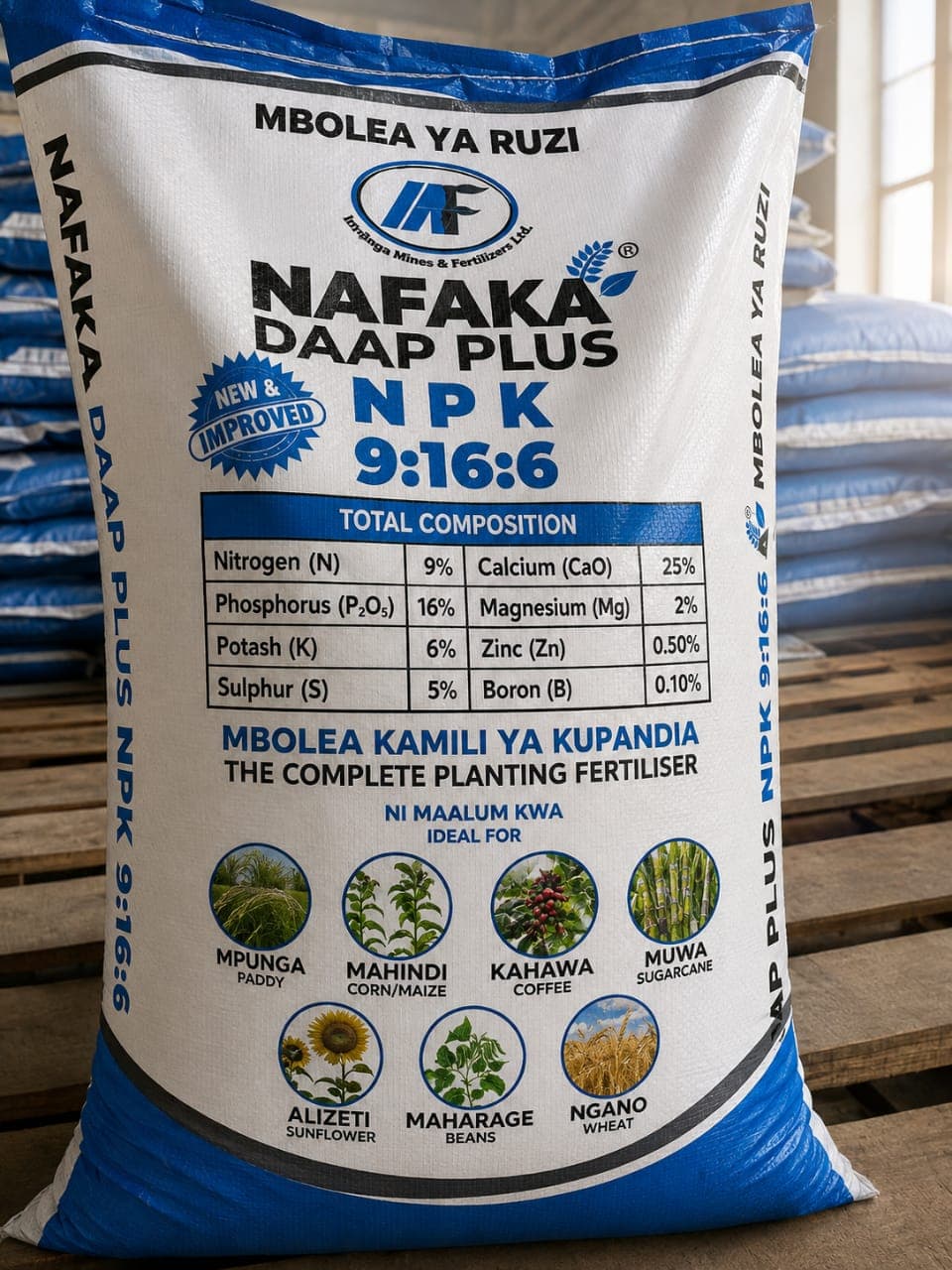
Depending on soil-test results, a fertilizer containing Phosphorus (P) may be applied during land preparation or at transplanting.
Fertilizers such as DAP or MAP may form part of this program where appropriate.
Do not apply DAP or MAP blindly; select the appropriate fertilizer based on the soil's requirements.
STEP 3: TRANSPLANTING THE SEEDLINGS
Healthy seedlings should be transplanted into a properly prepared field.
At this stage, the main objective is to ensure that the roots establish and begin growing properly.
Important Nutrients
- Phosphorus for root development.
- Nitrogen for early growth at an appropriate rate.
- Other nutrients depending on soil-test results.
Farmers should avoid placing fertilizer directly in contact with young roots or stems.
STEP 4: WEEK 1–2 AFTER TRANSPLANTING
Once the seedlings become established, they begin producing new roots and leaves.
At this stage, the nutrition program may include NPK or another source of Nitrogen, depending on the crop's requirements.
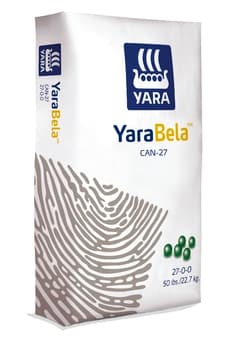
Fertilizers such as CAN or Urea may be used as nitrogen sources as part of the fertilizer program, but the appropriate rate and timing should be determined according to field conditions and crop requirements.
Objective
- Strengthen root development.
- Support leaf growth.
- Strengthen stems.
- Prepare the plant for the next growth stage.
STEP 5: WEEK 3–4 — VEGETATIVE GROWTH
During this period, tomato plants begin growing rapidly.
Farmers should ensure adequate nutrition while avoiding excessive Nitrogen application.
Fertilizers such as:
- NPK
- CAN
- Urea
may form part of the nutrition program depending on soil requirements.
For drip irrigation systems, some fertilizers can be applied through irrigation water (fertigation) where the specific product is suitable for this method.
STEP 6: WEEK 4–6 — PRE-FLOWERING STAGE
As the plants approach flowering, the nutrition program should increasingly focus on the plant's reproductive needs.
Nitrogen is still required, but farmers should avoid applying additional Nitrogen without a clear plan.
Phosphorus and Potassium are also important components of the plant nutrition program.
Micronutrients such as Boron, Zinc, and Magnesium may be required where soil tests or plant symptoms indicate deficiencies.
STEP 7: WEEK 6–8 — FLOWERING AND FRUIT SETTING
This is a very important stage in tomato production.
The plants begin flowering and setting fruit.
During this period, Potassium (K) is an important part of the nutrition program for reproductive development and fruit development.
Calcium is also important for plant tissue development.
Fertilizers that may form part of the program include:
- NPK with an appropriate nutrient ratio.
- Potassium fertilizers.
- Calcium fertilizers.
- Magnesium.
- Micronutrients where required.
Important: Do not apply Calcium without a plan and assume that it will solve every fruit-related problem. Proper water management, healthy roots, and balanced nutrition are also important.
STEP 8: WEEK 8–12 — FRUIT DEVELOPMENT
As the fruits increase in size, the plant's nutritional requirements change.
At this stage, the nutrition program should focus more on:
Potassium (K) + Calcium + Magnesium + other nutrients according to crop requirements.
Potassium plays an important role in several plant processes associated with production and fruit quality.
Farmers should also maintain consistent and appropriate irrigation according to the crop's needs.
STEP 9: WEEK 12 ONWARDS — HARVESTING
Once harvesting begins, the plants still require nutrients to continue producing new flowers and fruits.
Therefore, the nutrition program should not automatically stop after the first fruits are harvested.
Continue with a fertilizer program based on:
- Plant condition.
- Production level.
- Tomato variety.
- Irrigation system.
- Soil-test results.
- Advice from an agricultural professional.
GENERAL FERTILIZER SCHEDULE FOR ONE ACRE
| Stage | Timing | Fertilizers/Nutrients That May Be Involved | Objective |
|---|---|---|---|
| Land preparation | Before planting | Manure/compost + basal fertilizer based on soil test | Improve soil and nutrient availability |
| Transplanting | At transplanting | DAP/MAP or a phosphorus source based on soil condition | Support root development |
| Early growth | Week 1–2 | NPK/CAN/Urea according to the program | Early plant growth |
| Vegetative growth | Week 3–4 | NPK + appropriate N source | Leaves and stems |
| Pre-flowering | Week 4–6 | NPK + P/K + micronutrients where required | Prepare plants for flowering |
| Flowering | Week 6–8 | K + Ca + other nutrients | Flowering and fruit setting |
| Fruit development | Week 8–12 | K + Ca + Mg + micronutrients where required | Fruit growth and quality |
| Harvesting | Week 12+ | Balanced ongoing nutrition with appropriate emphasis on K and other nutrients | Maintain continued production |
HOW MUCH FERTILIZER DOES ONE ACRE NEED?
There is no single fertilizer rate that is suitable for every acre of tomatoes.
For example, an acre with adequate soil Potassium will not have the same requirements as an acre with Potassium deficiency. Similarly, tomatoes grown under drip irrigation may have a different fertilizer application program from tomatoes grown under other production systems.
That is why soil testing is important before establishing the final fertilizer quantities.
Farmers should not apply large amounts of Urea, CAN, DAP, MAP, or NPK simply because these fertilizers are available. Each fertilizer provides specific nutrients and has a particular role in crop nutrition.
IMPORTANT FERTILIZERS IN TOMATO PRODUCTION
DAP/MAP
These can provide important nutrients, particularly Phosphorus, depending on soil requirements.
NPK
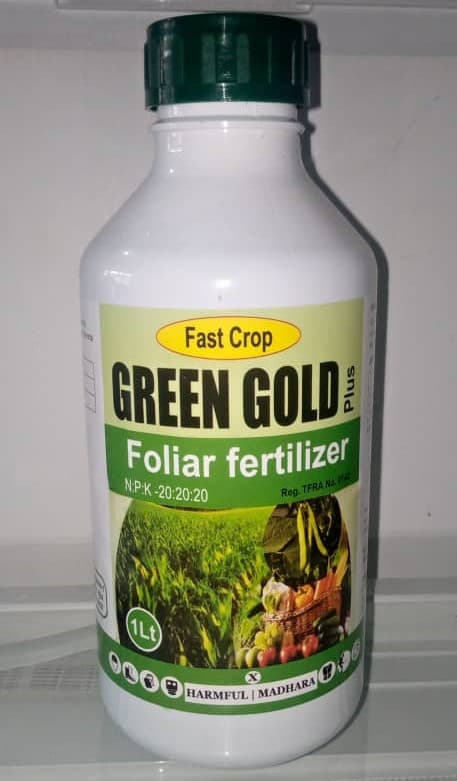
Provides a combination of Nitrogen, Phosphorus, and Potassium. The appropriate ratio depends on the crop growth stage and soil condition.
CAN
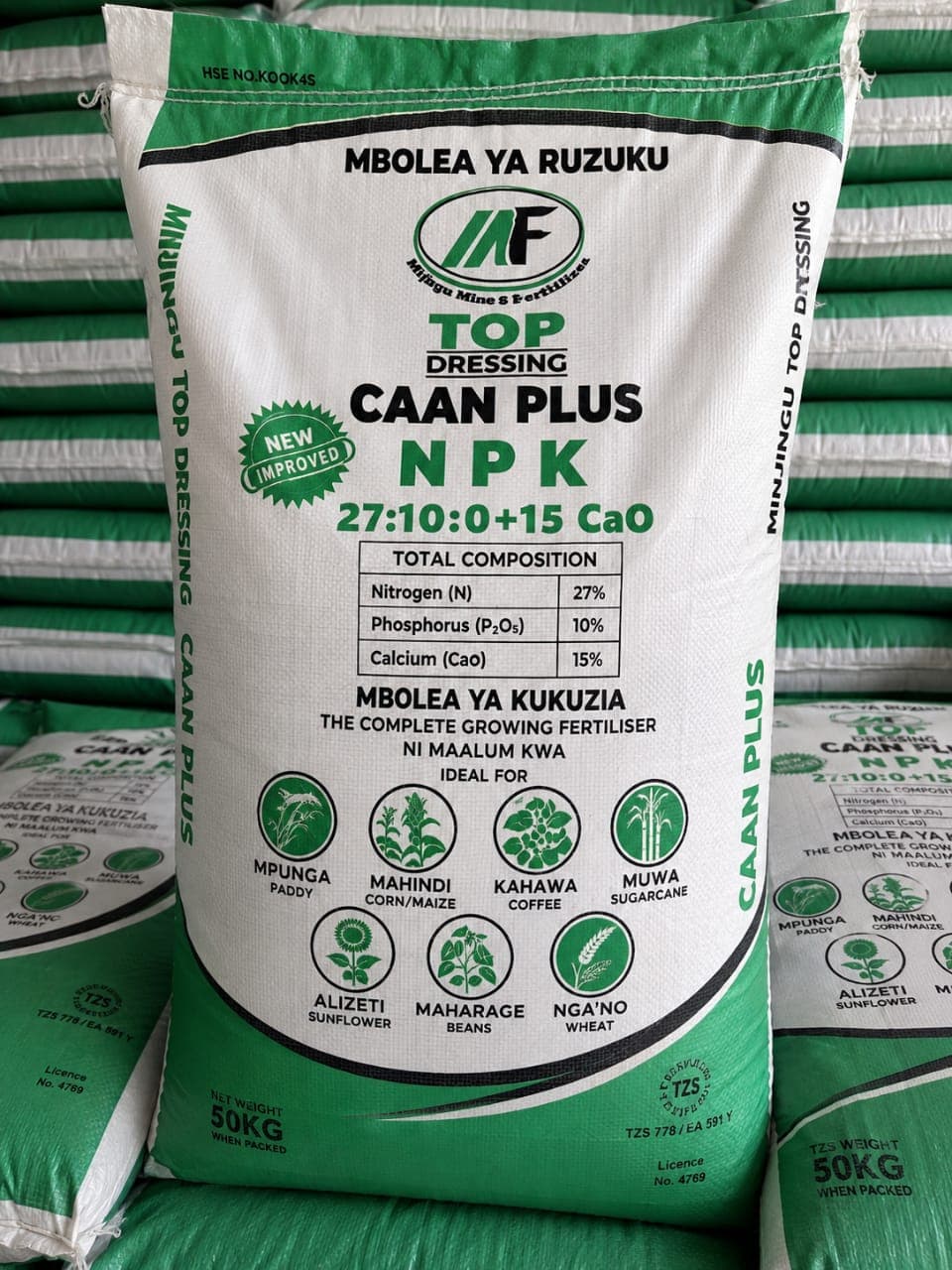
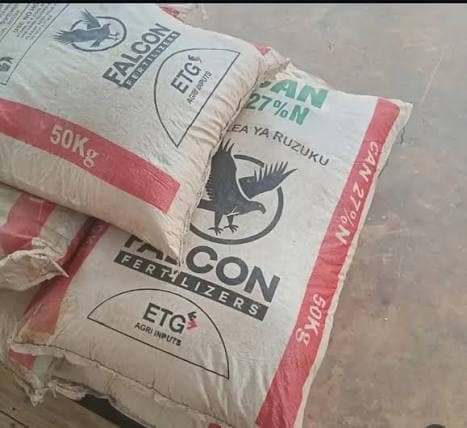
Provides Nitrogen together with Calcium and can be used as a top-dressing fertilizer as part of a crop nutrition program.
Urea
Contains approximately 46% Nitrogen and can be used to supply Nitrogen where required. It should not be over-applied.
Potassium Fertilizers
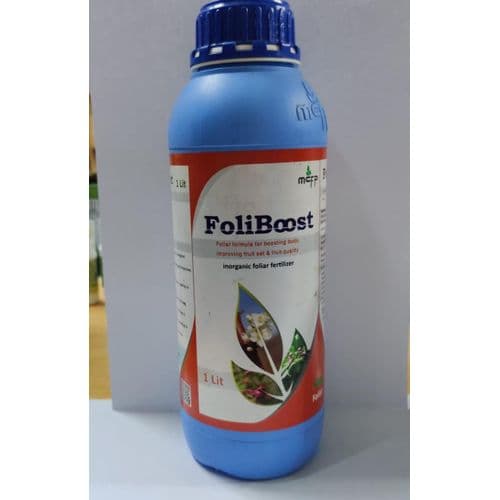
These are important components of a tomato nutrition program, particularly during flowering, fruit setting, and fruit development, depending on soil conditions.
Calcium
Supports plant tissue development. Proper water management is also important in reducing problems associated with inadequate Calcium availability in fruits.
Magnesium and Micronutrients
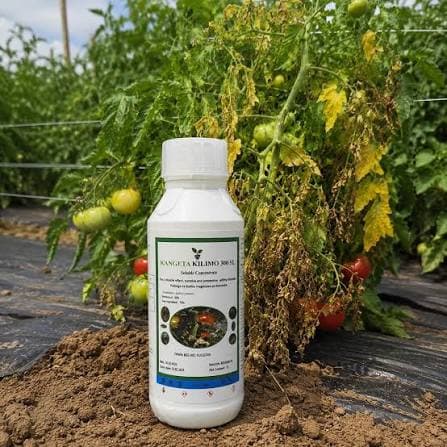
Magnesium, Sulfur, Boron, Zinc, Iron, and other micronutrients may be required depending on soil conditions and crop needs.
ADVICE FOR TOMATO FARMERS
Tomato farmers should remember that high yields do not depend on fertilizer alone. Successful production requires a combination of:
- Quality seedlings.
- Healthy soil.
- The right fertilizers.
- Proper irrigation.
- Effective weed management.
- Pest and disease management.
- Good flower and fruit management.
- Timely harvesting.
Above all, do not apply fertilizers blindly. Understand the needs of your field and seek professional advice before starting a fertilizer program.
CHETU AGROSOLUTION — FOR FERTILIZERS AND AGRICULTURAL ADVICE
Are you growing one acre or more of tomatoes and looking for fertilizers for different stages of production?
Visit or contact CHETU AGROSOLUTION.
We encourage farmers to contact us for:
✓ Basal and top-dressing fertilizers
✓ NPK, DAP/MAP, CAN, and Urea fertilizers
✓ Potassium, Calcium, Magnesium, and micronutrient fertilizers
✓ Advice on tomato nutrition programs
✓ Guidance on fertilizer application at different crop growth stages
✓ Other agricultural input needs
Do not wait until your tomatoes show nutrient deficiency symptoms. Plan your crop nutrition early.
CHETU AGROSOLUTION
For fertilizers, agricultural inputs, and professional farming advice, contact us today.
Successful farming starts with good preparation, the right fertilizer, and the right advice.