Maize Farming
18 September 2026
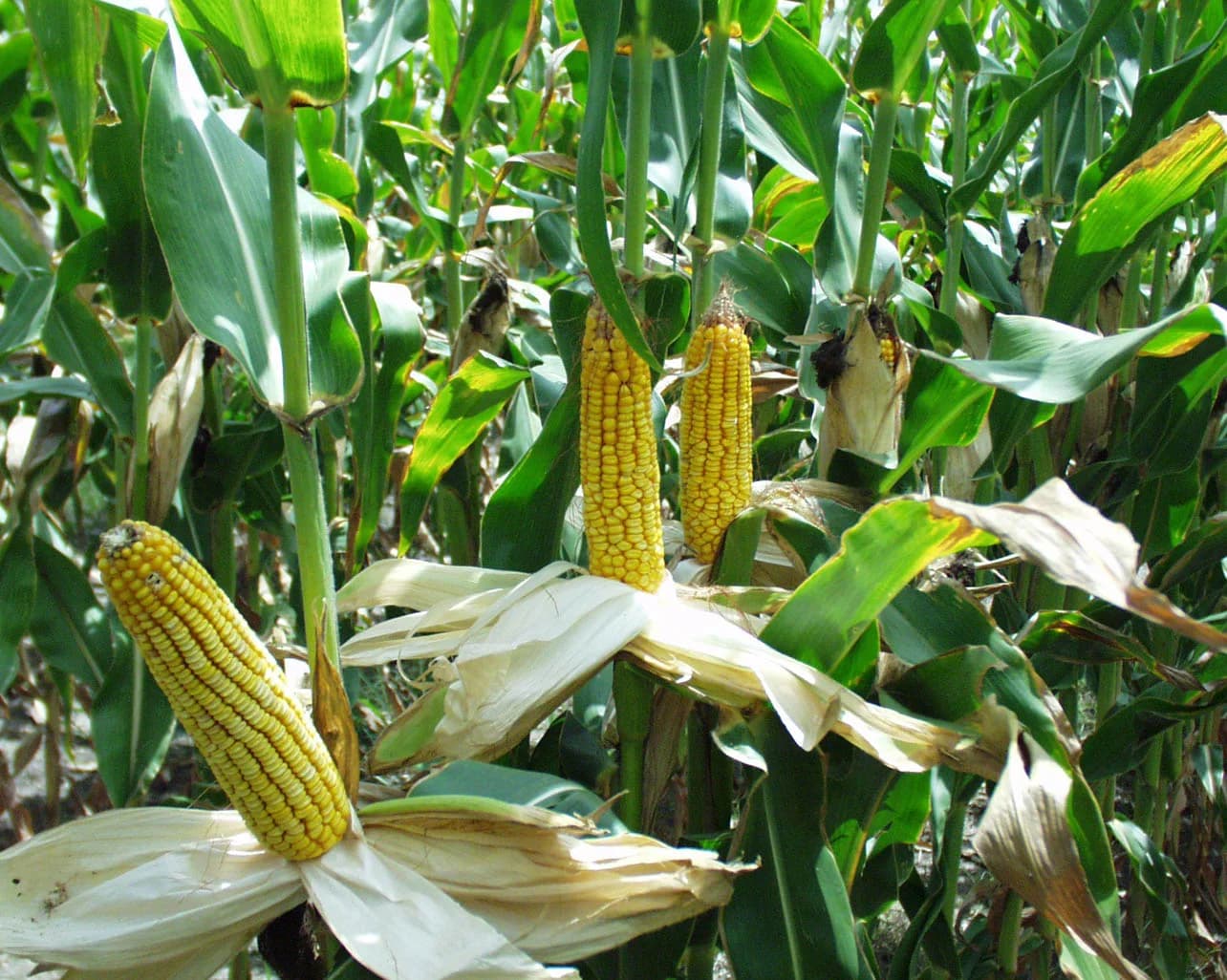
Maize is an important crop for both food and income. To achieve good yields, farmers need to focus on proper land preparation, quality seeds, timely planting, crop nutrition, weed and pest management, and timely harvesting.
1. Choose a Suitable Location
Maize grows well in fertile, well-drained soils. Avoid areas where water remains stagnant for long periods.
2. Prepare the Farm
- Plough and loosen the soil properly.
- Remove weeds and unwanted crop residues.
- Apply well-decomposed manure or compost where appropriate.
- Ensure good drainage in areas that receive heavy rainfall.
3. Choose Quality Seeds
Use quality seeds from CHETU AGROSOLUTION and select varieties suitable for the local climate, soil, and growing conditions. Quality seeds can help produce healthy plants and better yields.
4. Plant at the Right Time and Spacing
Plant according to the expected beginning of the rainy season or your irrigation schedule. Plant spacing depends on the maize variety and farming system; follow the seed manufacturer's recommendations or advice from our agricultural expert.
5. Apply Fertilizer Properly
Maize requires nutrients such as nitrogen, phosphorus, and potassium. The type and amount of fertilizer should be based on the needs of the soil and crop. A soil test can help farmers determine the appropriate fertilizer requirements.
6. Control Weeds
Control weeds early to prevent them from competing with maize for water, sunlight, and nutrients. Weed management is particularly important during the early stages of crop growth.
7. Control Pests and Diseases
Inspect the field regularly for signs of pests and diseases. Take action early and use safe control methods according to advice from agricultural extension officers.
8. Monitor Weather Conditions
Weather information can help farmers plan planting, irrigation, fertilizer application, and harvesting activities.
9. Harvest on Time
Maize should be harvested when it reaches the appropriate stage of maturity. After harvesting, it should be stored in a dry, clean place protected from pests and moisture.
Conclusion
Good maize farming begins with proper land preparation, quality seeds, timely planting, and effective crop management from planting to harvesting. For farmers who are growing maize commercially, it is also important to plan for the market and production costs before starting the season.