Onion Farming
20 September 2026
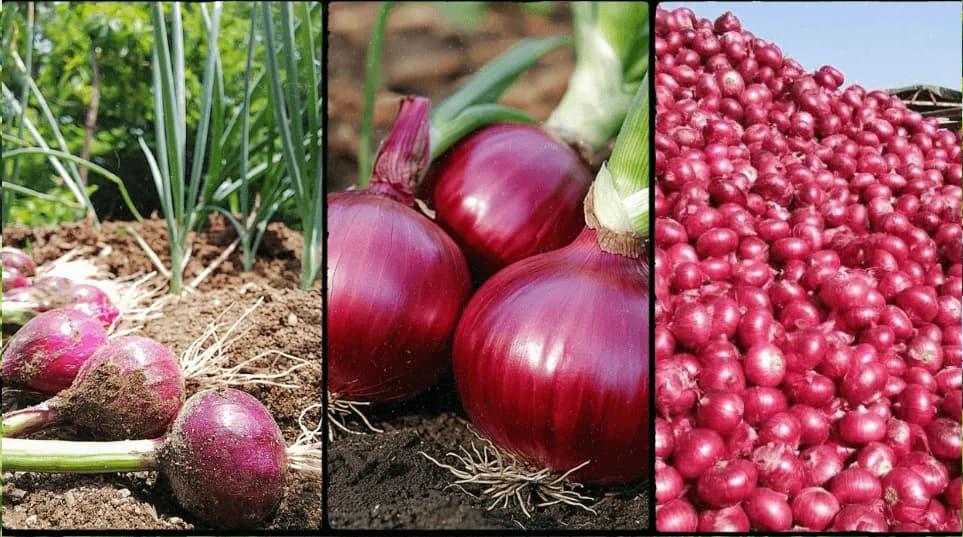
Onions are an important commercial crop that can provide farmers with good income when properly managed. Successful onion production depends on selecting quality seeds, proper land preparation, irrigation, plant nutrition, and effective pest and disease management.
Steps for Growing Onions
- Choose a suitable location
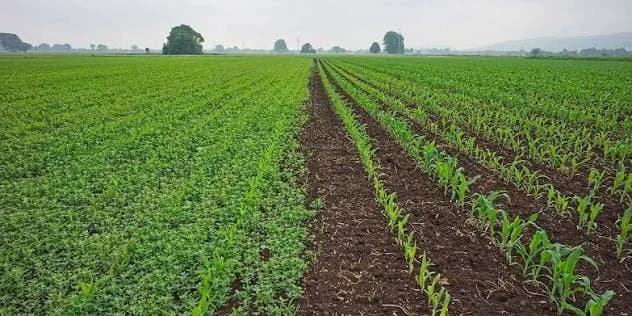
Onions require fertile, well-drained soil and adequate sunlight. - Prepare the field properly
Plough and loosen the soil, remove weeds, and prepare raised beds or planting beds with good drainage. - Choose quality seeds
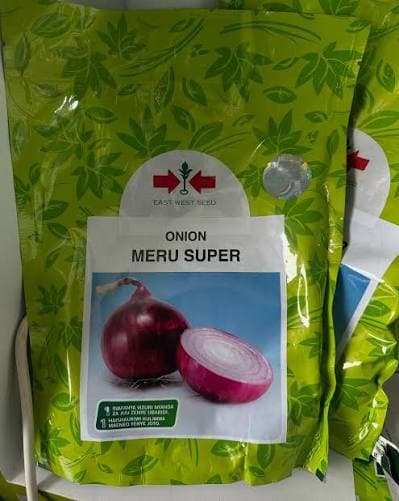
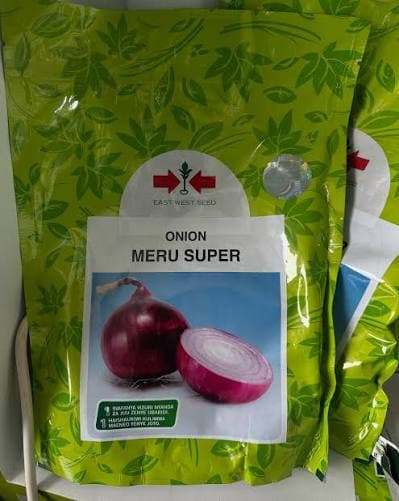
Use seeds from us which are suitable for your local growing conditions and have good resistance to diseases. Quality seeds increase the chances of achieving good yields. - Prepare a nursery
Sow the seeds in a nursery with fine, fertile soil. Water appropriately and protect the seedlings from weeds and pests. - Transplant the seedlings
When the seedlings reach the appropriate size, transplant them into the field with enough spacing to allow proper bulb development and good air circulation. - Irrigate properly
Onions need adequate moisture, especially during bulb development. Avoid waterlogging because excessive water can cause root diseases. - Apply fertilizers properly
Use well-decomposed manure or compost and fertilizers according to the needs of the soil and crop. Soil testing can help determine which nutrients are required. - Control weeds, pests, and diseases
Weed the field early and monitor for pests and diseases such as thrips and fungal diseases. Use safe and appropriate control methods. - Harvest at the right time
Onions should be harvested when the bulbs are mature and the leaves begin to dry and fall over. After harvesting, cure the onions properly before storage. - Store properly
Store onions in a dry, well-ventilated area with low humidity to reduce rotting.
In summary: Successful onion farming requires quality seeds, healthy soil, proper irrigation, good plant nutrition, and effective pest and disease management.