Soil Health Testing
20 September 2026
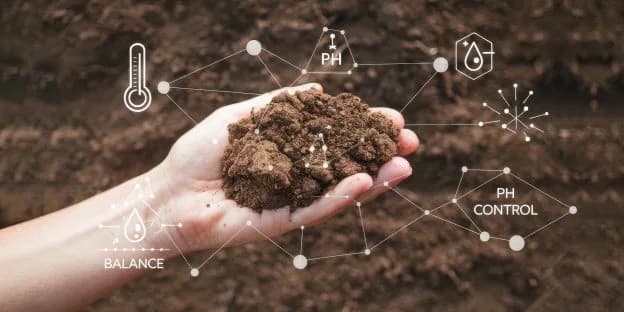
Soil health testing is the process of examining the condition of soil to determine its fertility, nutrient levels, pH, moisture content, and ability to support healthy plant growth.
Key Soil Health Tests
- Soil pH – Determines whether the soil is acidic or alkaline.
- Nutrient levels – Measures essential nutrients such as Nitrogen (N), Phosphorus (P), and Potassium (K), as well as other nutrients.
- Organic matter – Indicates the amount of organic material in the soil, which helps improve soil structure and fertility.
- Soil texture – Determines the proportion of sand, silt, and clay in the soil.
- Moisture and water-holding capacity – Helps determine how well the soil can retain water for plant use.
- Soil biological activity – Examines beneficial organisms such as earthworms and microorganisms that contribute to nutrient cycling and soil improvement.
Why Test Soil?
Soil testing helps farmers make informed decisions about the type and amount of fertilizer to apply, whether lime is needed, irrigation practices, and suitable crops to grow. This can help reduce production costs while improving soil health and crop productivity.