Blossom End Rot
18 September 2026
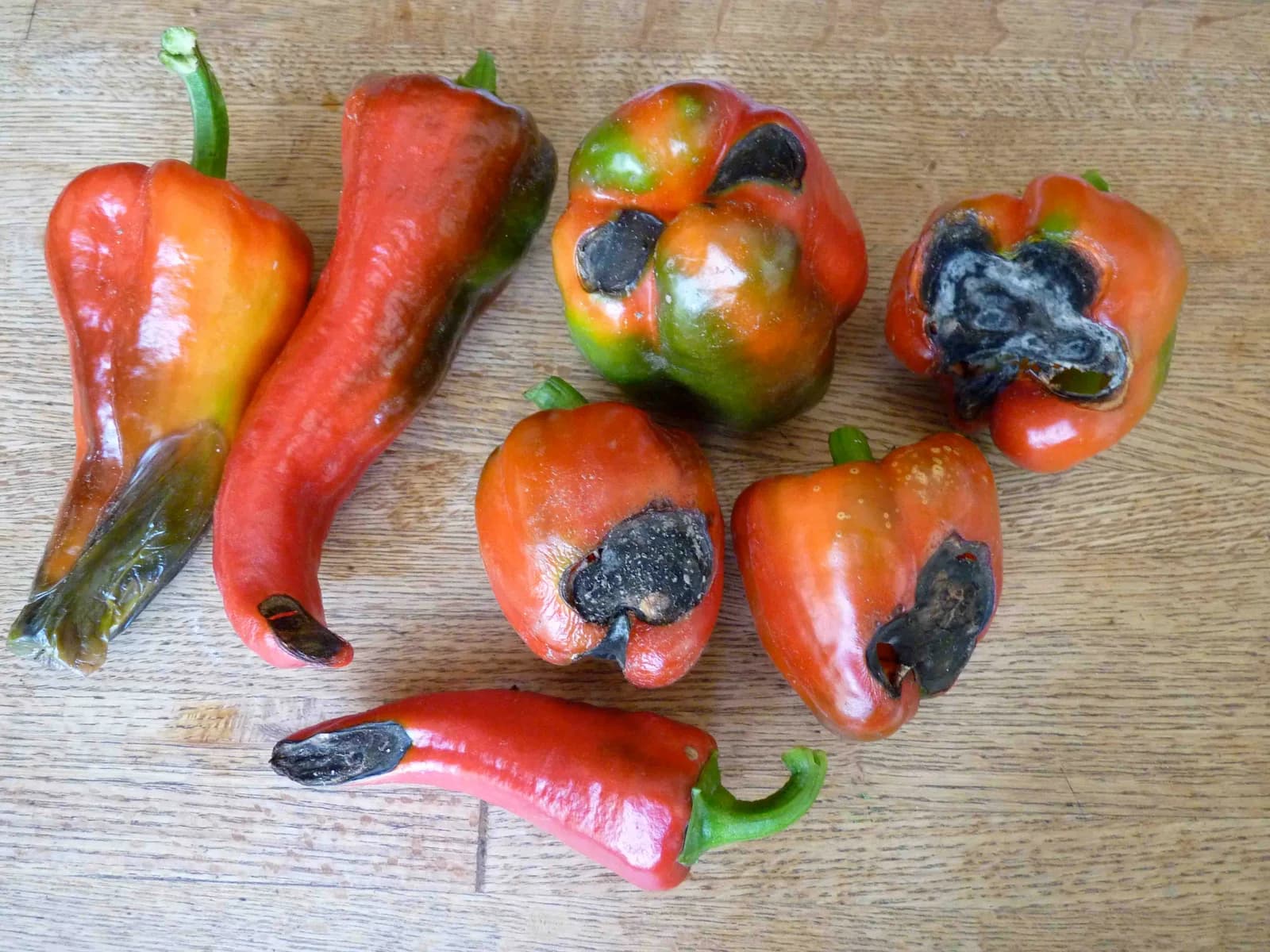
Blossom End Rot (BER) is a common problem affecting tomatoes, peppers, and some other crops. It occurs when the bottom end of the fruit, opposite the stem, develops a brown or black area that eventually becomes dry and sunken.
Main Causes
- Poor calcium availability in the fruit — this is often not because the soil lacks calcium, but because the plant is unable to transport enough calcium to the developing fruit.
- Irregular soil moisture — allowing the soil to become very dry and then applying too much water.
- Rapid plant growth.
- Damaged roots or poor root conditions.
How to Control Blossom End Rot
- Water regularly to maintain consistent soil moisture.
- Use mulch to help retain soil moisture.
- Avoid heavy watering after the plant has been dry for a long period.
- Conduct a soil test to determine calcium levels and soil pH.
- Ensure healthy roots and good soil drainage.
- Avoid excessive nitrogen fertilizer, especially when it causes very rapid leaf growth.
Important Note
Blossom End Rot is not a contagious disease that spreads from one plant to another. It is a physiological disorder mainly associated with calcium movement within the plant and inconsistent water management.