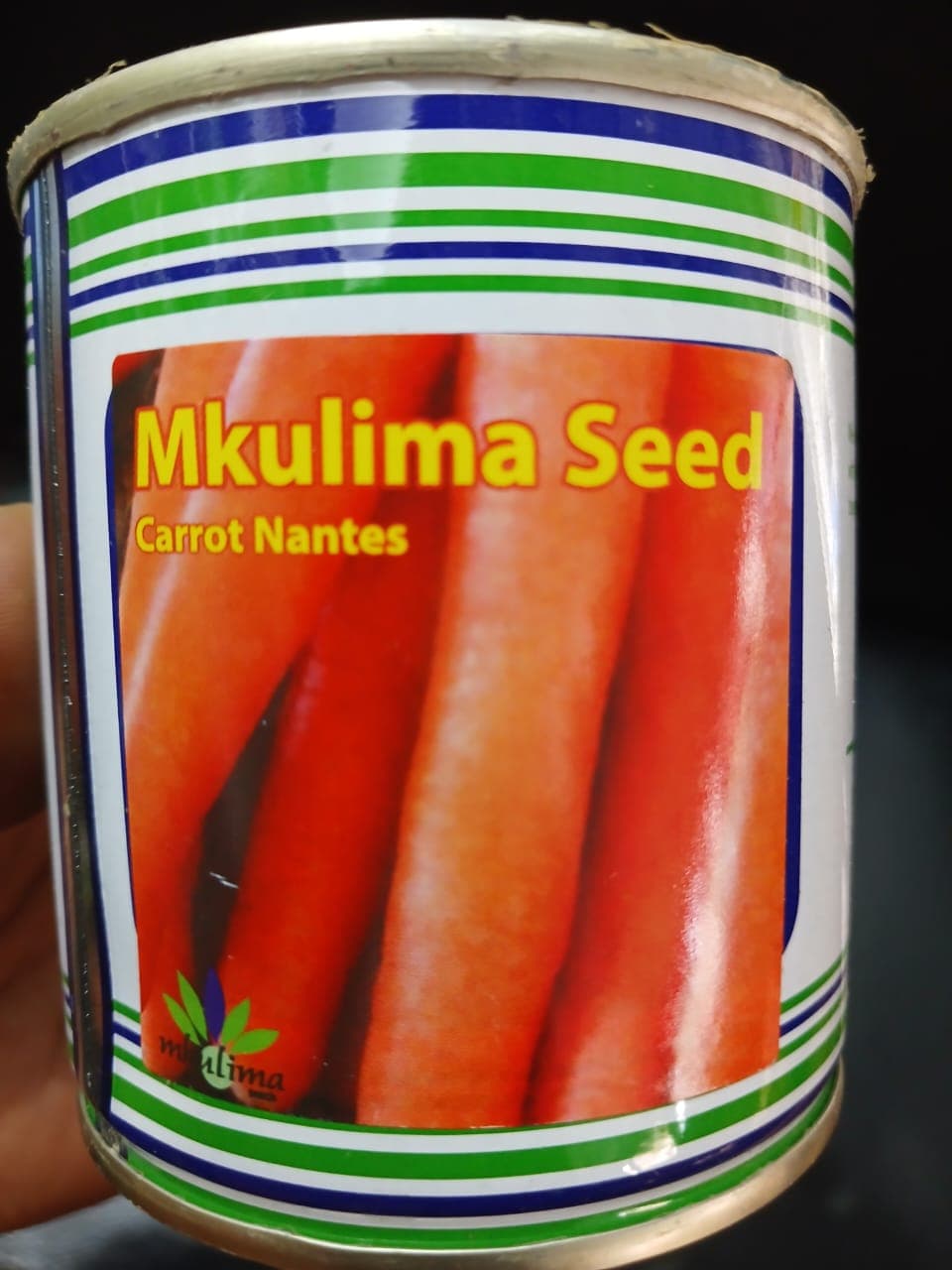
Steps and Methods for Growing Carrots
9 September 2026

1. Choose a Suitable Location
Carrots grow well in loose, fertile, well-drained soil that is free from many stones. Avoid very hard or compacted soil because it can cause the carrots to develop poor or irregular shapes.
2. Prepare the Farm
- Plough and loosen the soil to a depth of approximately 20–30 cm.
- Remove stones, crop residues, and weeds.
- Make slightly raised beds, especially in areas with heavy rainfall or poor drainage.
- Mix well-decomposed manure or compost into the soil.
3. Plant the Seeds
- Plant carrot seeds directly in the field; carrots generally do not need to be transplanted from a nursery.
- Make rows approximately 20–30 cm apart.
- Plant the seeds shallowly, about 0.5–1 cm deep, because carrot seeds are very small.
- Cover the seeds with fine soil and water gently after planting.
4. Irrigation
Carrots need adequate moisture, especially during germination. Water regularly depending on the weather, but do not allow water to remain stagnant in the field.
5. Thin the Seedlings
Once the seedlings emerge and become overcrowded, thin them to give the carrots enough space to grow. Aim for approximately 5–8 cm between plants, depending on the carrot variety.
6. Weed the Farm
Remove weeds early because they compete with carrots for water, nutrients, and sunlight. Weed carefully to avoid damaging the roots.
7. Apply Fertilizer Properly
Fertilizer should be applied according to the condition of the soil. Do not use fresh manure, because it can affect root development and increase the risk of certain problems. Where possible, conduct a soil test before applying large amounts of fertilizer.
8. Control Pests and Diseases
Inspect the crop regularly. Remove plants showing signs of disease and use safe pest-control methods based on advice from an agricultural extension officer. Avoid using pesticides without proper guidance.
9. Harvest the Carrots
Many carrot varieties are ready for harvesting after approximately 2–3 months, although the exact period depends on the variety, weather conditions, and farm management. When the carrots reach the desired size, loosen the soil and carefully pull them out.
10. Storage and Marketing
After harvesting, remove excess soil, cut off the leaves, and sort the carrots according to size and quality. Store them in a cool, clean place with controlled moisture to extend their shelf life.
Important Advice
If you are growing carrots for commercial purposes, it is important to plan for the seed variety, farm size, production costs, and market before planting.
Good carrot production starts with good soil preparation, quality seeds, proper watering, effective weed control, and timely harvesting.